Documenting Roof Damage for Insurance: Professional Photography and Record-Keeping Tips
Proper documentation can make or break your roof insurance claim. Insurance companies require evidence that damage occurred, that it was caused by a covered event, and that repairs are necessary. Learning to document effectively—before, during, and after damage occurs—positions you for successful claims. This comprehensive guide teaches you professional techniques for documenting roof damage.
Why Documentation Matters
Thorough documentation serves multiple critical purposes in the claims process.
Supporting Your Claim:
Quality documentation: - Proves damage occurred from covered event - Shows extent and severity of damage - Establishes timeline of events - Supports repair cost estimates - Counters claim denials
Protecting Against Disputes:
Strong evidence prevents: - Allegations of pre-existing damage - Claims of maintenance neglect - Underestimation of damage scope - Inappropriate settlement reductions
Strengthening Negotiations:
Better documentation leads to: - Faster claim processing - More accurate assessments - Improved settlement offers - Successful supplemental claims
Essential Photography Techniques
Professional-quality photographs create the strongest evidence for your claim.
Equipment Recommendations:
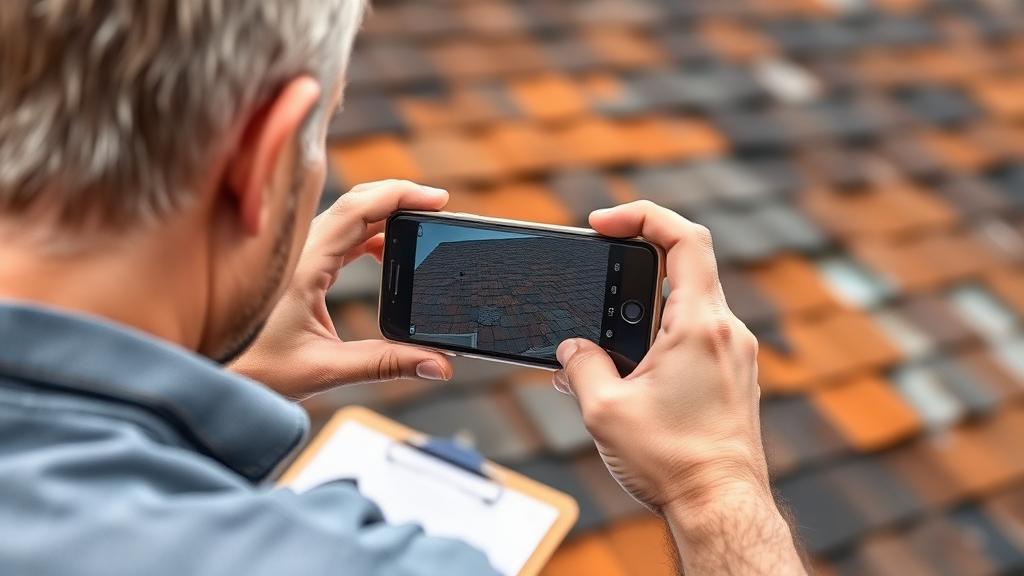
For best results, use: - Smartphone with good camera (most modern phones sufficient) - Timestamp feature enabled - Location services turned on - Adequate storage space
Photo Categories to Capture:
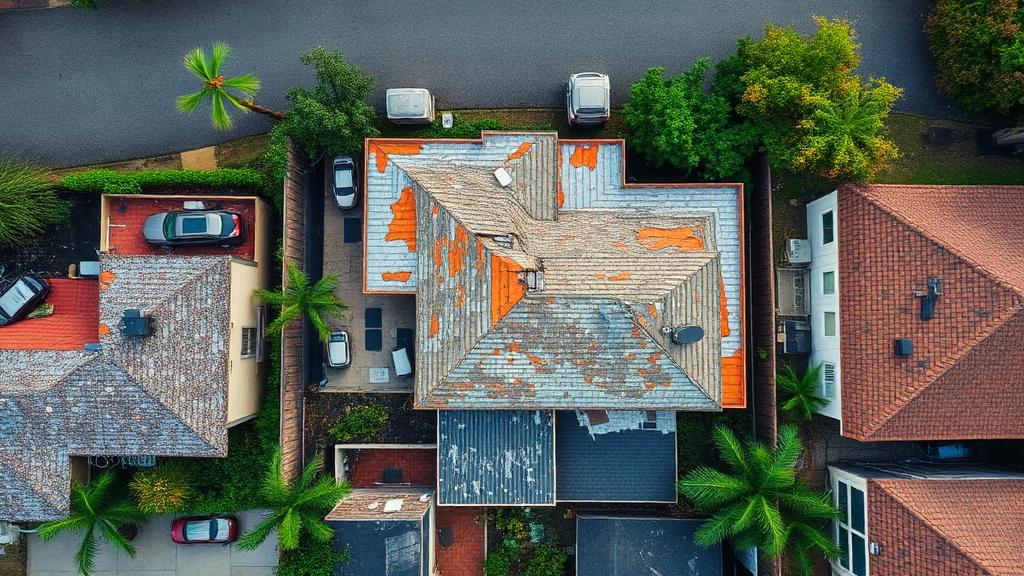
Overview Shots:: - Entire roof from multiple angles - All sides of the house - Relationship of damage to surrounding areas - Overall property context
Detail Shots:: - Close-ups of specific damage - Individual damaged components - Clear focus on problem areas - Multiple angles of same damage
Scale Reference:: - Include common objects for size reference - Ruler or tape measure next to damage - Hand or foot for perspective - Labeled reference items
Context Shots:: - Weather conditions visible - Damage source (fallen tree, debris) - Neighboring property damage - Time-stamped documentation
Photography Best Practices:
| Do | Don't |
|---|---|
| Take multiple angles | Rely on single shots |
| Include context | Crop too tightly |
| Use good lighting | Shoot in poor conditions |
| Focus clearly | Accept blurry images |
| Document everything | Only capture obvious damage |
Video Documentation Strategies
Videos provide context and continuity that photos cannot capture.
When to Use Video:
- Walking tours of overall damage
- Active leaks or water intrusion
- Showing damage relationships
- Before and after comparisons
- Weather conditions during inspection
Video Best Practices:
- Narrate what you're showing
- Move slowly and deliberately
- Pause on important details
- Start with overview, then details
- Keep camera steady
Narration Tips:
Include spoken commentary covering: - Date and time of recording - Location being documented - Description of visible damage - Any relevant observations
Establishing Pre-Loss Condition
Documentation before damage occurs provides powerful baseline evidence supporting claims.
Regular Documentation Schedule:
Create periodic records showing: - Overall roof condition - Specific vulnerable areas - Maintenance activities completed - Any minor repairs made
Annual Photo Documentation:
Each year, photograph: - All roof surfaces - Flashing and penetrations - Gutters and drainage - Interior ceiling conditions - Attic spaces (if accessible)
Professional Inspections:
Schedule regular professional inspections that provide: - Written inspection reports - Professional photographs - Condition assessments - Recommendations documented
Maintenance Records:
Keep documentation of: - All maintenance performed - Professional service visits - Materials used - Dates and descriptions
Creating Effective Written Records
Written documentation supplements visual evidence with important details.
Incident Timeline:
Create detailed chronology including: - Date and time damage occurred - Weather conditions during event - When damage was discovered - Actions taken in response - Communications with insurance
Damage Descriptions:
Write detailed descriptions noting: - Location of each damage area - Type and extent of damage - Visible effects (leaks, etc.) - Immediate concerns
Communication Log:
Track all insurance communications: - Date, time, method of contact - Representative name - Topics discussed - Commitments made - Follow-up actions needed
Organizing Your Documentation
Systematic organization makes documentation easily accessible when needed.
Digital Organization:
Create organized file structure: ``` Roof Documentation/ ├── Pre-Loss Condition/ │ ├── Annual Photos 2025/ │ ├── Inspection Reports/ │ └── Maintenance Records/ ├── Damage Event [Date]/ │ ├── Photos/ │ ├── Videos/ │ ├── Weather Reports/ │ └── Timeline/ ├── Claim Documents/ │ ├── Correspondence/ │ ├── Estimates/ │ └── Settlement/ ```
Physical Backup:
Maintain physical copies of: - Critical photographs printed - Inspection reports - Insurance correspondence - Settlement documents
Cloud Storage:
Use cloud backup for: - Automatic photo backup - Document storage - Access from any device - Protection against loss
Special Documentation Situations
Certain damage types require specific documentation approaches.
Storm Damage Documentation:
Capture evidence of the storm: - Weather reports and alerts - News coverage screenshots - Neighbor damage (with permission) - Debris on property - Immediate aftermath images
Water Damage Documentation:
Document water intrusion thoroughly: - Active leak videos - Water stain progression - Moisture meter readings if available - Affected belongings - Mold development over time
Hail Damage Documentation:
Special considerations for hail: - Hailstone size with ruler - Multiple roof areas affected - Patterns typical of hail - Collateral damage (gutters, siding) - Time-sensitive documentation (ice melts)
Working with Contractors for Documentation
Professional contractors can provide valuable documentation support.
Contractor Inspection Reports:
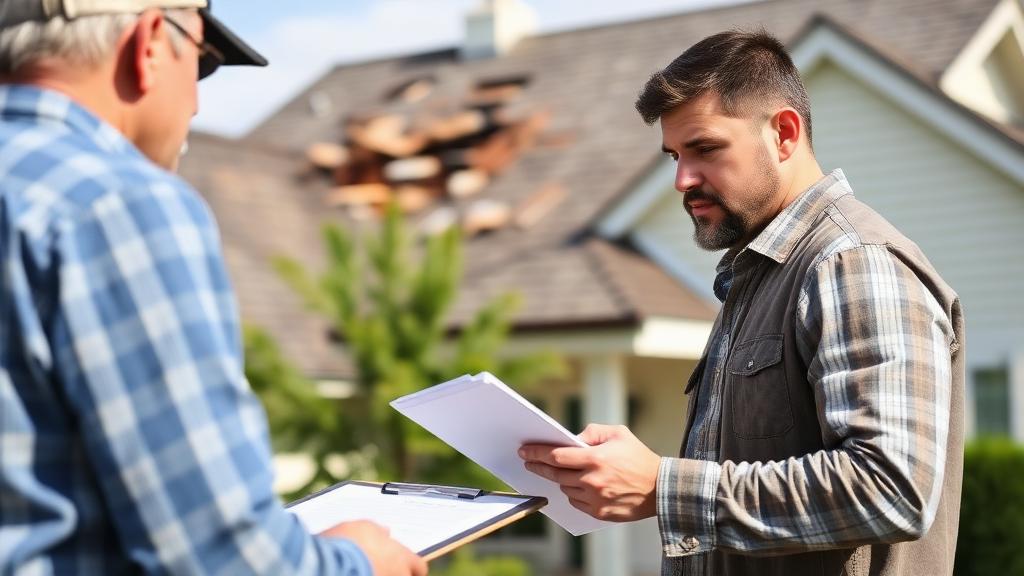
Request documentation including: - Written damage assessment - Professional photographs - Detailed repair estimates - Expert opinions on causation
When to Get Professional Documentation:
Professional documentation helps when: - Damage is extensive or complex - Access is difficult (steep roof) - Expert opinion supports claim - Settlement disputes arise
Find qualified contractors who can provide professional documentation supporting your claim.
Documentation for Supplemental Claims
As repairs progress, continue documenting for potential supplements.
Hidden Damage Discovery:
When additional damage is found: - Stop work immediately - Document new damage thoroughly - Note when and how discovered - Get contractor assessment - Submit supplement promptly
Progress Documentation:
Throughout repairs, document: - Work being performed - Materials being used - Additional issues discovered - Completion milestones
Technology Tools for Documentation
Modern technology offers helpful documentation tools.
Smartphone Apps:
Useful applications include: - Camera apps with timestamp - Note-taking apps - Cloud storage sync - Organization tools
Specialized Tools:
For serious documentation: - Moisture meters - Thermal cameras - Drones (professional use) - Measurement apps
Weather Documentation:
Capture weather evidence: - Weather app screenshots - Storm tracking data - Official weather reports - Historical weather records
Common Documentation Mistakes
Avoid these common errors that weaken claims.
Insufficient Photos:: - Too few images - Poor quality or focus - Missing important areas - No before comparison
Missing Context:: - No date/time stamps - No scale references - No weather documentation - No written descriptions
Disorganization:: - Can't find needed documents - Missing critical records - Inconsistent naming - No backup copies
Delayed Documentation:: - Waiting too long after damage - Missing temporary conditions - Evidence deterioration - Timeline gaps
Conclusion
Effective documentation is your strongest tool for successful roof insurance claims. By establishing good habits before damage occurs and responding thoroughly when it does, you create the evidence needed to support fair settlements. Invest time in proper documentation—it can mean thousands of dollars difference in your claim outcome.
Remember that insurance companies make decisions based on evidence. The better your documentation, the stronger your position. Start documenting your roof's condition today, and you'll be prepared when you need it most.
Find experienced contractors who can provide professional documentation supporting your insurance claim.