Drone Roof Inspections for Insurance Claims: Technology, Benefits, and What to Expect
Drone technology has revolutionized how insurance companies assess roof damage, offering faster inspections, improved safety, and detailed documentation. Understanding how drone inspections work helps homeowners prepare for assessments and evaluate whether drone findings accurately reflect their roof's condition. This guide covers everything you need to know about drone roof inspections for insurance claims.
The Rise of Drone Roof Inspections
Insurance companies have rapidly adopted drone technology for roof assessments, fundamentally changing the inspection process.
Why Insurers Use Drones:
Safety Improvements:: - Eliminates dangerous roof climbing - Accesses steep or damaged roofs safely - Reduces adjuster injury risks - Enables inspection of unstable structures
Efficiency Gains:: - Faster inspection completion - More properties inspected per day - Reduced scheduling delays - Lower inspection costs
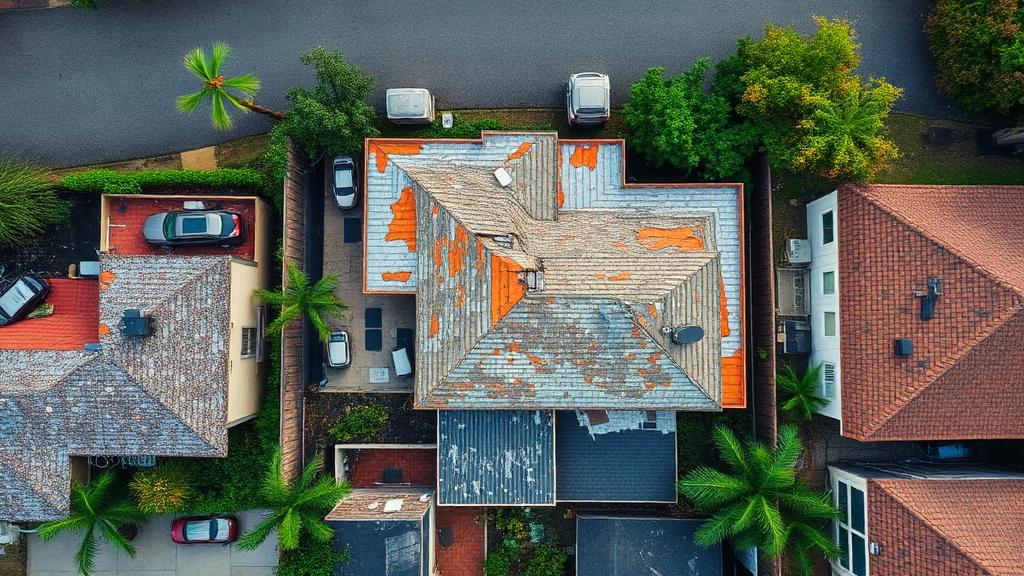
Documentation Quality:: - High-resolution imagery - Consistent photographic coverage - Aerial perspective advantages - Digital records for analysis
How Drone Inspections Work
Understanding the drone inspection process helps you prepare and evaluate results.
Pre-Inspection:
Before inspection: - Scheduling notification provided - Weather conditions evaluated - Flight planning completed - Safety protocols reviewed
During Inspection:
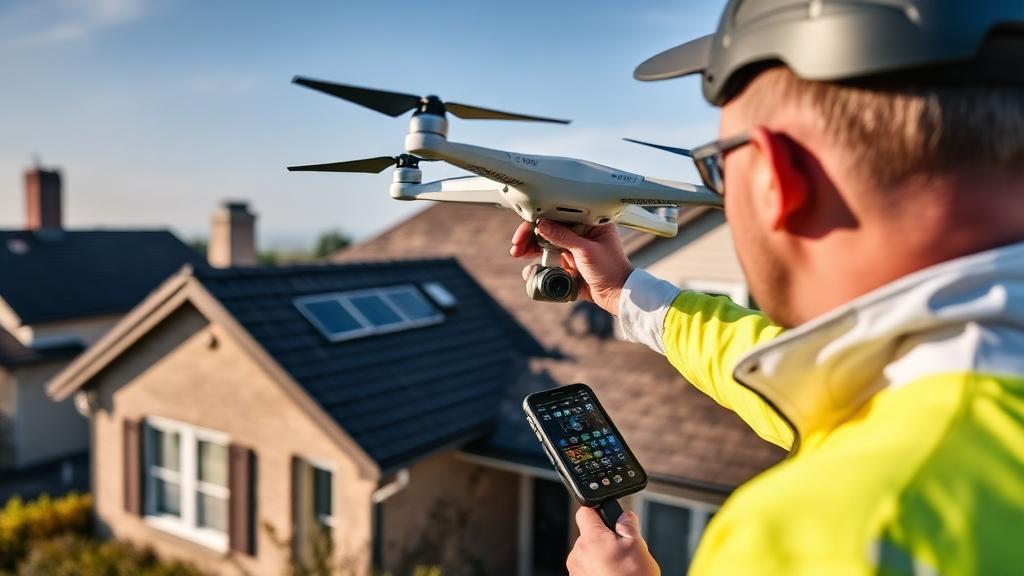
The inspection typically involves: 1. Ground-level assessment 2. Drone launch and calibration 3. Systematic flight pattern over roof 4. High-resolution photo capture 5. Video documentation 6. Multiple angle coverage 7. Detailed close-up shots
Post-Inspection:
After the flight: - Images downloaded and organized - AI analysis may be applied - Damage identified and cataloged - Report generated - Findings shared with policyholder
Drone Technology Capabilities
Modern inspection drones offer impressive capabilities that enhance damage assessment.
Camera Systems:
Professional drones feature: - High-resolution cameras (20+ megapixels) - 4K video recording - Zoom capabilities for detail shots - Wide-angle coverage options
Flight Capabilities:
Current drones can: - Fly precise automated patterns - Hover stably for detailed shots - Navigate around obstacles - Operate in moderate wind conditions - Capture thermal imagery (some models)
Software Integration:
Advanced systems include: - AI damage detection - Automatic measurement tools - Report generation - Comparison with previous imagery - 3D modeling capabilities
Benefits of Drone Inspections
Drone inspections offer several advantages for both insurers and homeowners.
For Homeowners:
Faster Claims Processing:: - Quicker inspection scheduling - Same-day results possible - Reduced wait times - Expedited settlements
Comprehensive Documentation:: - More photos than traditional inspection - Consistent coverage of entire roof - Digital records available - Better evidence for claims
Property Protection:: - No foot traffic on damaged roof - Reduced risk of additional damage - No ladder marks on siding - Minimal property disturbance
For Insurance Companies:
- Reduced adjuster injury risk
- Higher inspection volume capacity
- Consistent assessment quality
- Lower per-inspection costs
- Better fraud detection
Limitations and Concerns
While valuable, drone inspections have limitations homeowners should understand.
Technical Limitations:
Weather Sensitivity:: - Wind restrictions (typically under 20 mph) - Rain prevents flying - Low light affects image quality - Temperature extremes limit operation
Visibility Constraints:: - Cannot see under shingles - Hidden damage may be missed - Some angles inaccessible - Attic inspection impossible
Assessment Limitations:
Drones cannot: - Feel for soft spots or damage - Assess shingle texture - Detect subtle hail damage - Examine flashing seals closely - Inspect interior damage
Accuracy Concerns:
Some issues with drone-only inspection: - Subtle damage may be missed - Requires skilled image interpretation - AI analysis has error rates - May underestimate damage extent
Preparing for Drone Inspections
Proper preparation helps ensure accurate assessment of your damage.
Before the Inspection:
- Clear yard obstacles if possible
- Secure pets indoors
- Note any access concerns
- Prepare your documentation
- Know where damage is located
During the Inspection:
If possible: - Be present or available - Point out areas of concern - Ask questions about process - Request specific areas be documented - Note the adjuster's name and contact
After the Inspection:
- Request copy of images if possible
- Ask timeline for report
- Provide additional information if needed
- Review findings carefully
- Prepare questions about results
Evaluating Drone Inspection Results
Understanding how to interpret and challenge drone findings protects your interests.
Reviewing the Report:
Check for: - All damage areas documented - Clear identification of problems - Accurate damage descriptions - Appropriate repair recommendations
Identifying Missed Damage:
Drone inspections may miss: - Damage under lifted shingles - Subtle hail impact damage - Flashing seal failures - Soft spots indicating deck damage - Areas obscured by trees or shadows
Challenging Inadequate Assessments:
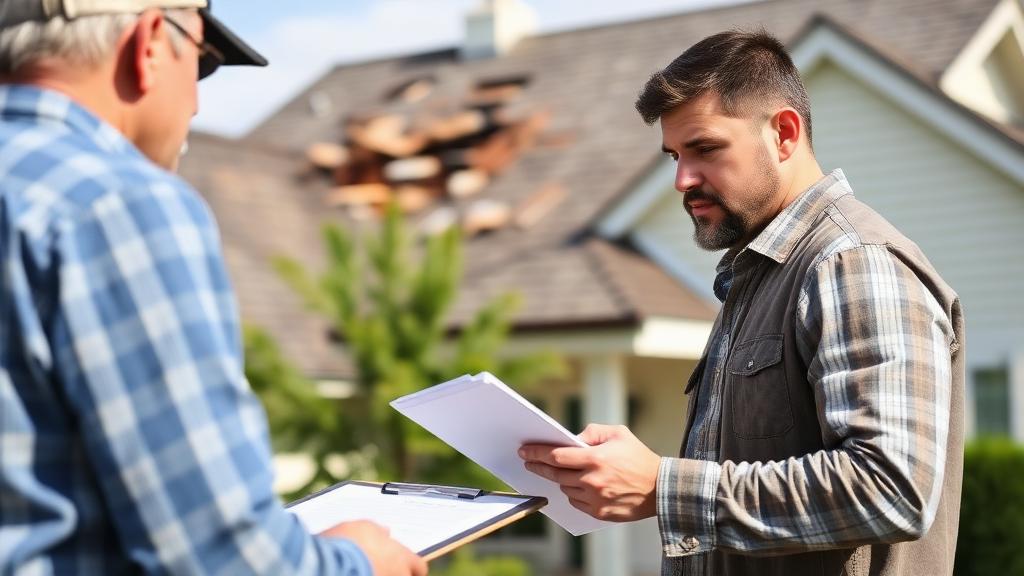
If findings seem incomplete: - Request physical inspection - Provide your documentation - Get contractor assessment - Submit supplemental information - Escalate if necessary
Requesting Physical Inspections
In some situations, you should request traditional physical inspection.
When to Request:
Consider requesting physical inspection when: - Damage is subtle or complex - Drone images inconclusive - Interior damage present - Significant claim value - Disagreement with findings
How to Request:
To request physical inspection: 1. Express concerns in writing 2. Explain why physical inspection needed 3. Provide supporting documentation 4. Note specific areas of concern 5. Follow up on request status
Your Rights:
Understand that: - Insurers may prefer drone inspection - You can request physical inspection - Documentation supports your request - Persistence may be necessary
Combining Drone and Traditional Assessments
The most thorough inspections combine both technologies.
Optimal Approach:
Best practice includes: - Drone overview of entire roof - Physical inspection of damage areas - Interior assessment when needed - Ground-level documentation - Contractor professional opinion
Supporting Your Claim:
Strengthen documentation with: - Drone imagery from insurance - Your own photographs - Professional inspection report - Contractor damage assessment - Weather and timeline evidence
Future of Drone Insurance Inspections
Drone technology continues evolving, affecting future claims processes.
Emerging Technologies:
Advanced AI:: - Improved automatic damage detection - Better accuracy in assessments - Comparison with historical data - Predictive damage modeling
Enhanced Sensors:: - Thermal imaging for moisture - Infrared for heat signatures - Higher resolution cameras - Better low-light performance
Process Improvements:: - Real-time assessment sharing - Virtual claim filing - Automated settlement offers - Policyholder access to imagery
Conclusion
Drone roof inspections offer efficiency and safety benefits but have limitations homeowners should understand. By preparing properly, understanding what drones can and cannot assess, and knowing how to challenge inadequate findings, you can ensure fair treatment in your insurance claim.
Remember that technology supplements but doesn't replace thorough damage assessment. Don't hesitate to request physical inspection when circumstances warrant, and always support your claim with comprehensive documentation.
Find professional roofing contractors who can provide expert damage assessment supporting your insurance claim.