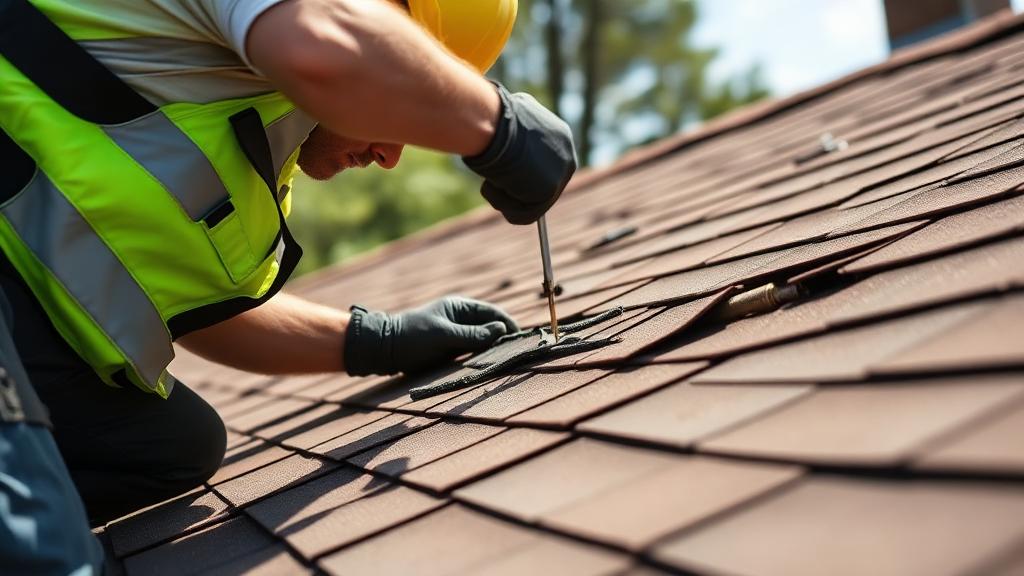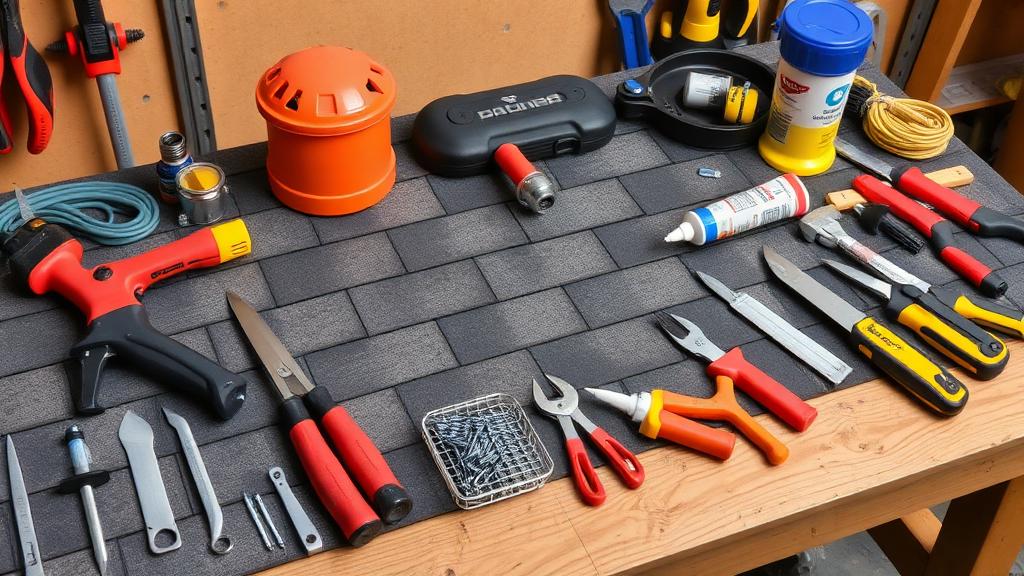
Emergency Roof Repair: What to Do When Disaster Strikes
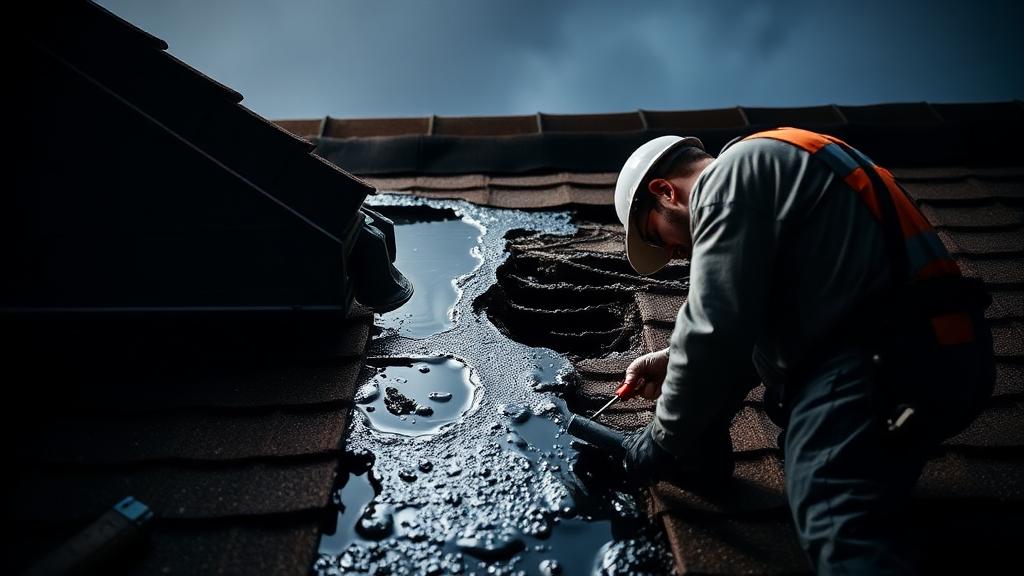
When disaster strikes your roof, whether from a severe storm, fallen tree, or sudden structural failure, knowing how to respond quickly can mean the difference between minor repairs and catastrophic damage to your home. Emergency roof situations require calm, decisive action to protect your property and family while arranging for professional repairs.
Immediate Safety Assessment
Your first priority in any roofing emergency is safety. Before attempting any action, assess the situation from a safe distance.
Evacuate if Necessary: If you see significant structural damage, sagging ceilings, or extensive water intrusion, evacuate the affected areas immediately. Major roof failures can lead to ceiling collapses that put occupants at risk.
Turn Off Electricity: If water is entering your home near electrical fixtures, outlets, or the breaker panel, turn off electricity to affected areas at the main breaker. Water and electricity create deadly combinations.
Avoid the Roof: Never climb onto a damaged roof, especially during or immediately after a storm. Wet, damaged surfaces are extremely slippery, and structural integrity may be compromised in ways you cannot see from above.
Document Everything: Before moving anything or beginning temporary repairs, photograph and video all damage from multiple angles. This documentation is crucial for insurance claims and helps contractors assess the scope of repairs needed.
Common Emergency Roof Situations
Different emergencies require different responses. Understanding what you are facing helps you take appropriate action.
Storm Damage: High winds, hail, and driving rain can tear off shingles, damage flashing, and create immediate leaks. After severe storms, inspect your roof visually from the ground for missing shingles, exposed underlayment, or debris accumulation.
Fallen Trees and Branches: Tree impacts can cause anything from minor shingle damage to complete structural failure. If a tree is resting on your roof, do not attempt to remove it yourself as shifting weight could cause additional collapse.
Sudden Leaks: Sometimes roofs fail without obvious external causes. Age-related deterioration, ice dam damage from previous winters, or failed flashing can create sudden leaks during heavy rain.
Ice Dam Damage: In cold climates, ice dams can force water under shingles and into your home. This damage often appears suddenly when temperatures fluctuate. Learn more about preventing ice dam damage before winter arrives.
Temporary Repair Options
While professional repairs are essential for permanent solutions, temporary measures can minimize damage while you wait for contractors.
Emergency Tarping: Blue tarps are the standard emergency roof covering. For effective tarping, extend the tarp at least four feet past the damaged area on all sides and secure it with weighted boards or sandbags rather than penetrating the roof with additional holes. Professional emergency tarping services are available if you cannot safely do this yourself.
Interior Water Management: Place buckets, bins, or other containers under active leaks. Use towels to create barriers directing water to containers and protect flooring. If water is pooling on a ceiling, carefully puncture the lowest point to allow controlled drainage into a container rather than waiting for a ceiling collapse.
Temporary Patching: For small holes or gaps, roofing cement or emergency roof patches can provide temporary waterproofing. These products are available at hardware stores and can buy time until permanent repairs are made. They are not permanent solutions but can prevent additional water intrusion.
Contacting Professionals
Getting professional help quickly is essential, but emergency situations require careful contractor selection.
Document Before Calling: Have your photographs, a description of the damage, and your insurance information ready before calling contractors. This allows for more accurate initial assessments.
Beware of Storm Chasers: After major weather events, unscrupulous contractors often canvass affected neighborhoods offering quick repairs. These storm chasers may provide substandard work, charge inflated prices, or disappear before completing jobs. Always verify contractor licensing, insurance, and local reputation before signing anything.
Contact Your Insurance First: Many insurance policies have specific requirements about emergency repairs, including authorization procedures and documentation requirements. Contact your insurance company as soon as possible to understand your coverage and claim procedures.
Get Multiple Estimates: Unless you need immediate emergency tarping, get estimates from at least three reputable local contractors. Compare scope of work, not just price, and verify that estimates include the same repairs and materials.
Insurance Claim Process
Navigating insurance claims after roof damage can be complex, but proper documentation and procedures protect your interests.
Report Promptly: Most policies require prompt reporting of damage. Contact your insurance company within 24 to 48 hours of the incident if possible.
Mitigate Further Damage: Insurance policies typically require homeowners to take reasonable steps to prevent additional damage. Temporary tarping and water management are considered mitigation and are usually covered expenses.
Keep All Receipts: Save receipts for all emergency supplies, temporary repairs, and professional services. These documented expenses are part of your claim.
Request a Written Estimate: Before authorizing repairs, get a detailed written estimate that specifies materials, labor, and scope of work. This document becomes part of your claim documentation.
Consider a Public Adjuster: For significant damage, a public adjuster can advocate for your interests with the insurance company. They work on contingency and may recover more than their fee in additional claim value.
Long-Term Repair Considerations
Once the emergency is stabilized, focus on permanent repairs that address both visible damage and potential hidden problems.
Complete Inspection: Professional roofers should inspect the entire roof, not just obviously damaged areas. Water intrusion can travel far from the entry point, causing hidden damage to decking, insulation, and interior structures.
Address Root Causes: If damage resulted from preventable conditions like overhanging trees or poor drainage, address these issues during repairs to prevent future emergencies.
Quality Materials: Emergency situations sometimes tempt homeowners to accept the cheapest repair option. Invest in quality materials and workmanship that will provide long-term protection rather than setting up the next emergency.
Warranty Documentation: Ensure you receive written warranties for materials and labor. Keep these documents with your other important home records.
Preventing Future Emergencies
While you cannot prevent all roof emergencies, proactive maintenance significantly reduces risk.
Regular Inspections: Schedule professional roof inspections annually and after major weather events. Early detection of problems prevents emergency situations. Find qualified roofing professionals in your area for regular maintenance.
Tree Management: Keep trees trimmed so branches do not overhang your roof. Dead or dying trees near your home should be removed before they become hazards.
Gutter Maintenance: Clean gutters regularly and ensure proper drainage. Clogged gutters contribute to ice dams and water damage.
Attic Ventilation: Proper attic ventilation reduces ice dam risk and extends shingle life by preventing heat and moisture buildup.
Conclusion
Roof emergencies are stressful, but prepared homeowners can minimize damage and navigate the repair process more effectively. Focus on safety first, document everything, engage reputable professionals, and work systematically through your insurance claim. With proper response, even significant roof damage can be repaired without lasting consequences to your home.
Remember that the best emergency plan is prevention through regular maintenance and inspections. Invest in your roof before emergencies occur, and you will face fewer crises over your homeownership years.