Energy-Efficient Roofing for Texas Homes: Beat the Heat and Save Money
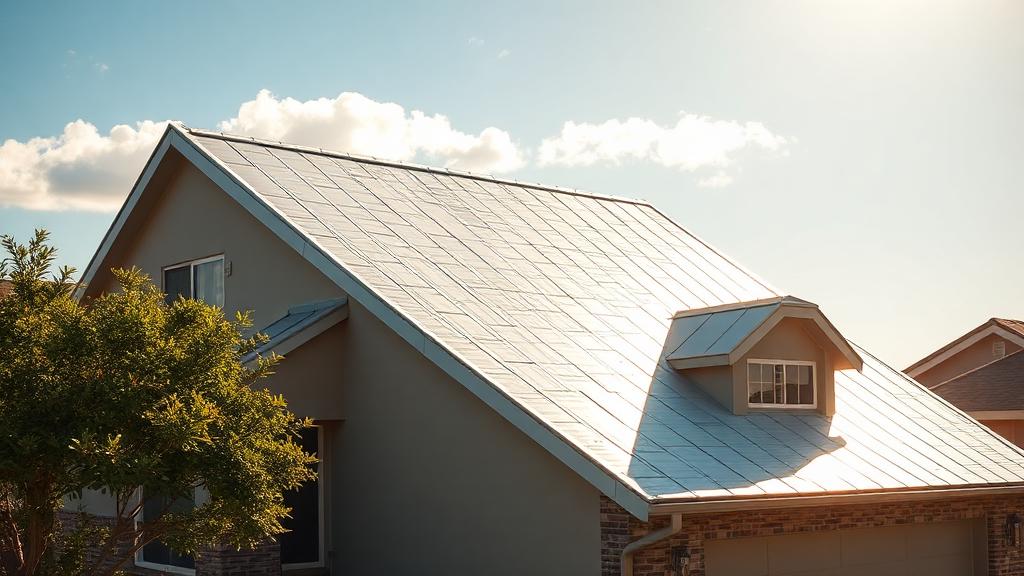
Texas summers push air conditioning systems to their limits, with temperatures regularly exceeding 100 degrees Fahrenheit across much of the state. Your roof plays a critical role in determining how hard your AC must work and how much you spend on energy bills. This comprehensive guide explores energy-efficient roofing solutions specifically designed for Texas climate conditions, helping you reduce cooling costs while extending roof lifespan.
Understanding Heat Gain Through Your Roof
Before exploring solutions, understanding how roofs contribute to home heating helps you make informed decisions about materials and improvements.
How Conventional Roofs Absorb Heat:
Traditional dark-colored asphalt shingles can reach surface temperatures of 150-170 degrees Fahrenheit on sunny summer days. This heat transfers through the roofing system in three ways:
- Conduction - Direct heat transfer through roofing materials into the attic space and eventually living areas below.
- Radiation - Heated roofing materials radiate warmth downward into the attic, heating air and surfaces.
- Convection - Hot attic air circulates and transfers heat to ceiling surfaces and any ductwork in the attic.
The Energy Impact:
Studies show that 30-40% of a typical homes cooling load comes from heat gain through the roof. In Texas, where cooling season spans six to eight months annually, this translates to hundreds of dollars in unnecessary energy costs.
| Roof Surface Temperature | Attic Temperature | Approximate Cooling Cost Impact |
|---|---|---|
| 150 degrees (dark shingles) | 130 degrees+ | Baseline |
| 120 degrees (medium tones) | 105 degrees | 15-20% reduction |
| 100 degrees (cool roof) | 85-90 degrees | 25-40% reduction |
Cool Roof Technology Explained
Cool roofs use materials and coatings engineered to reflect more sunlight and emit absorbed heat more efficiently than conventional roofing.
Key Cool Roof Properties:
Solar Reflectance (SR):: This measures how much sunlight a roof reflects. Values range from 0 to 1, with higher numbers indicating more reflection. Cool roofs typically have SR values of 0.65 or higher, compared to 0.05-0.25 for dark conventional shingles.
Thermal Emittance (TE):: This measures how efficiently a roof releases absorbed heat. Most roofing materials have high emittance naturally, but some materials perform better than others.
Solar Reflectance Index (SRI):: This combines SR and TE into a single number from 0 to 100+. Higher SRI indicates better overall cool roof performance. Most cool roof programs require SRI of 78 or higher for steep-slope residential roofs.
Cool Roof Benefits for Texas Homes:
- Reduced Cooling Costs - Lower attic temperatures mean less heat transfer to living spaces. Most Texas homeowners see 10-25% cooling cost reductions after installing cool roofs.
- Extended AC System Life - Less stress on cooling equipment reduces wear and extends system lifespan.
- Improved Comfort - More consistent indoor temperatures with fewer hot spots, especially in rooms below attic spaces.
- Extended Roof Lifespan - Lower surface temperatures reduce thermal stress and UV degradation, potentially adding years to roof life.
- Environmental Benefits - Reduced energy consumption lowers carbon emissions. Cool roofs also reduce urban heat island effects in cities.
Cool Roofing Material Options
Multiple roofing materials now offer cool roof versions suitable for Texas homes.
Cool Asphalt Shingles:
Modern cool shingles incorporate specially engineered granules that reflect infrared radiation while maintaining traditional appearance. Options include:
- GAF Timberline Cool Series - Reflects up to 40% of solar energy in lighter colors
- CertainTeed Landmark Solaris - Offers SRI values exceeding ENERGY STAR requirements
- Owens Corning Duration Premium Cool - Available in multiple colors with enhanced reflection
These products cost approximately 10-20% more than standard shingles but often qualify for utility rebates and provide ongoing energy savings.
Metal Roofing:
Metal roofs offer excellent energy performance, especially with reflective coatings:
- Standing Seam Metal - Factory-applied cool coatings available in numerous colors
- Stone-Coated Steel - Combines durability with thermal performance
- Aluminum Roofing - Naturally reflective with corrosion resistance for coastal areas
Metal roofing typically reflects 25-70% of solar energy depending on color and coating, with the best performers rivaling white membrane roofs.
Tile Roofing:
Clay and concrete tiles common in South Texas offer inherent thermal benefits:
- Thermal Mass - Tile mass slows heat transfer, reducing peak cooling loads
- Air Gap Design - Space between tiles and deck allows ventilation cooling
- Cool Coatings - Factory-applied reflective coatings enhance performance
Light-colored tiles with reflective coatings can achieve SRI values above 70, excellent for Texas conditions.
Single-Ply Membranes (Flat Roofs):
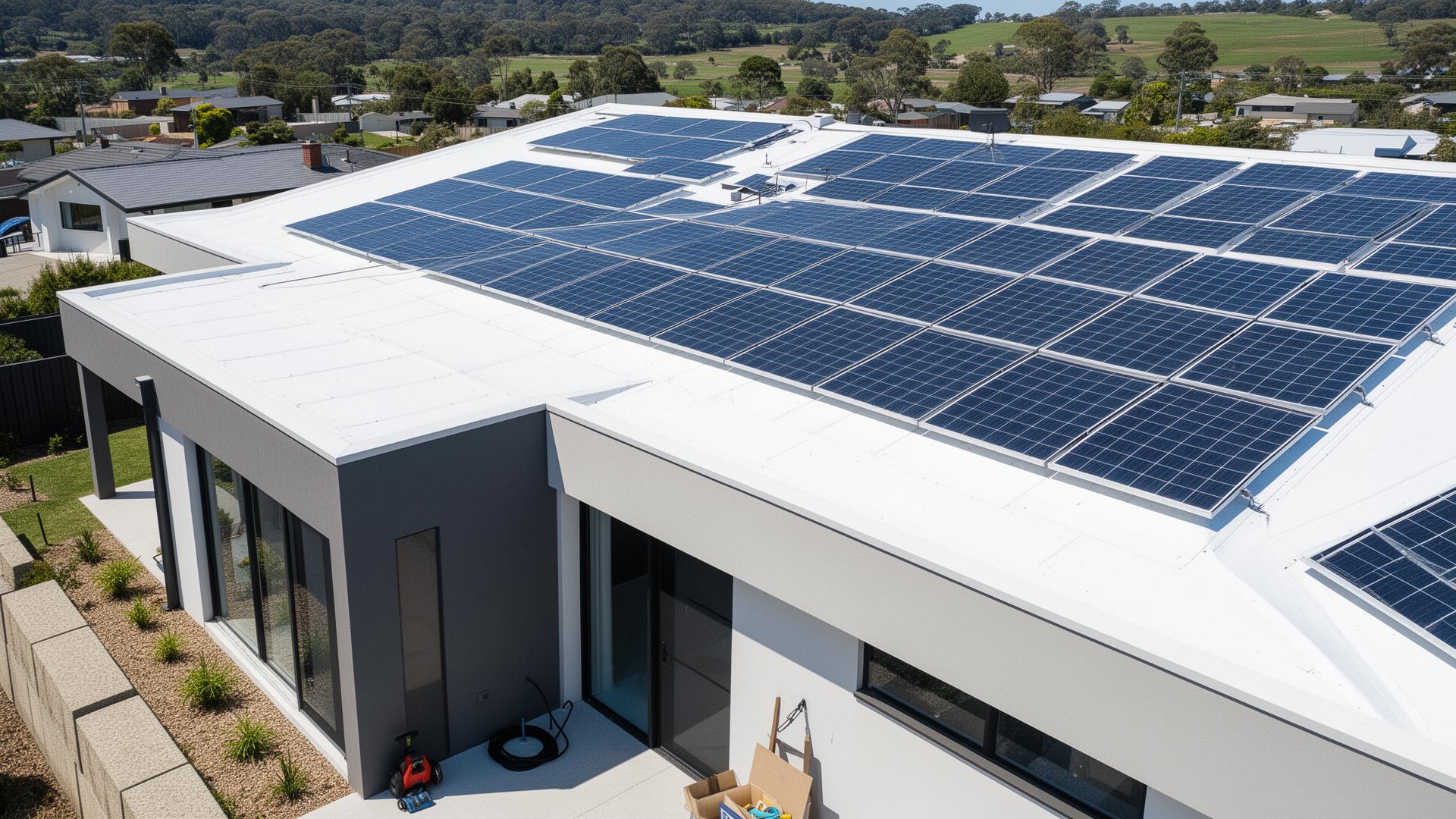
Commercial-style white membrane roofing works exceptionally well for flat and low-slope residential roofs:
- TPO (Thermoplastic Polyolefin) - White surface reflects 80%+ of solar energy
- PVC - Similar reflectance with excellent durability
- Modified Bitumen with Cool Coating - Traditional flat roofing enhanced with reflective top coat
These materials offer the highest reflectance values available, ideal for flat-roofed homes and additions.
The Critical Role of Attic Ventilation
Even the best roofing materials cannot fully compensate for inadequate attic ventilation. Proper ventilation works alongside reflective roofing to minimize heat gain.
Understanding Ventilation Principles:
Effective attic ventilation creates continuous airflow that removes heat and moisture:
- Intake Vents - Located at soffits or low on the roof, these allow cooler outside air to enter the attic
- Exhaust Vents - Located at or near the ridge, these allow heated air to escape
- Natural Convection - Hot air rises and exits through upper vents, drawing cooler air in through lower vents
Ventilation Requirements:
Building codes typically require 1 square foot of net free ventilation area per 150 square feet of attic floor space, or 1:300 with proper vapor barriers. However, Texas conditions often benefit from exceeding minimum requirements.
Ventilation Types for Texas:
Ridge Vents:: Continuous vents along the roof peak provide consistent exhaust. Combined with adequate soffit vents, ridge vents create efficient passive ventilation. They are nearly invisible and work well with most roofing materials.
Power Ventilators:: Thermostat or humidistat controlled fans actively exhaust hot attic air. While effective, they consume electricity and require maintenance. Solar-powered versions eliminate energy costs.
Radiant Barriers:: Reflective materials installed on attic rafters or roof deck reduce radiant heat transfer. Studies in Texas show radiant barriers can reduce cooling costs by an additional 5-10% when combined with adequate ventilation.
Ventilation Mistakes to Avoid:
- Blocking soffit vents with insulation
- Installing exhaust vents without adequate intake
- Mixing ventilation types incorrectly
- Undersizing ventilation for attic volume
- Ignoring signs of inadequate ventilation like ice dams (yes, even in Texas during rare cold snaps)
Insulation Upgrades for Maximum Efficiency
Roofing improvements work best when combined with proper attic insulation.
Current Insulation Recommendations:
The Department of Energy recommends R-38 to R-60 attic insulation for Texas, depending on your specific climate zone. Many older Texas homes have inadequate insulation by current standards.
Insulation Types:
Blown-In Fiberglass or Cellulose:: Most cost-effective for existing homes. Can be added on top of existing insulation to increase R-value. Professional installation ensures proper coverage without compressing material.
Spray Foam:: Provides insulation and air sealing in one application. Closed-cell spray foam offers the highest R-value per inch. Particularly effective in attics with complex geometries or hard-to-access areas.
Rigid Foam Board:: Can be installed on the attic floor or against rafters. Excellent for supplementing existing insulation or creating thermal breaks.
Combining Strategies:
The most effective approach combines multiple strategies:
- Cool roofing materials reduce initial heat absorption
- Radiant barrier reduces radiant heat transfer
- Proper ventilation removes heated air
- Adequate insulation slows conductive heat transfer
- Air sealing prevents conditioned air loss
Cost-Benefit Analysis for Texas Homeowners
Understanding the financial case for energy-efficient roofing helps justify the investment.
Estimated Costs and Savings (2,000 sq ft roof):
| Improvement | Typical Cost | Annual Savings | Payback Period |
|---|---|---|---|
| Cool shingle upgrade | 500-1,500 | 150-300 | 2-7 years |
| Complete cool metal roof | 15,000-25,000 | 300-600 | 10-20 years |
| Add radiant barrier | 800-1,500 | 100-200 | 5-10 years |
| Improve ventilation | 500-2,000 | 75-150 | 4-10 years |
| Add attic insulation | 1,500-3,500 | 150-400 | 4-12 years |
These estimates vary based on your specific home, current energy usage, and local utility rates. Homes with high current cooling costs see faster payback.
Available Incentives:
Several programs reduce the net cost of energy-efficient roofing:
Federal Tax Credits:: The Inflation Reduction Act provides tax credits for qualifying energy-efficient improvements. Metal roofs and asphalt roofs meeting ENERGY STAR requirements may qualify for 30% of installation cost up to 1,200 dollars annually.
Utility Rebates:: Many Texas utilities offer rebates for energy-efficient improvements: - CPS Energy (San Antonio) - Rebates for ENERGY STAR roofing - Austin Energy - Cool roof incentive programs - Oncor (Dallas area) - Various efficiency rebates - CenterPoint (Houston) - Energy efficiency programs
Check with your specific utility for current program availability and requirements.
Manufacturer Warranties:: Cool roofing products often carry enhanced warranties, reflecting reduced thermal stress: - Extended material warranties (often 5-10 years longer) - Better color fade protection - Enhanced performance guarantees
Selecting the Right Contractor
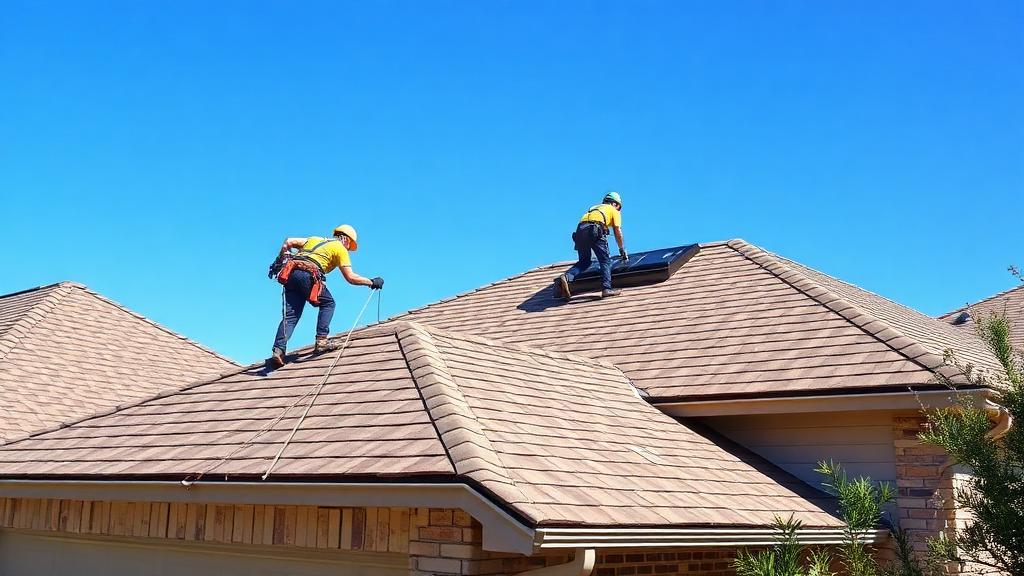
Installing energy-efficient roofing requires contractor expertise beyond standard roofing skills.
Contractor Qualifications:
Look for contractors with:
- Experience with specific cool roof products you are considering
- Understanding of ventilation requirements and solutions
- Knowledge of local utility incentive programs
- Ability to provide energy performance estimates
- References from similar energy-focused projects
Questions to Ask:
- What cool roofing certifications or training do you have?
- Can you provide case studies showing energy savings from similar projects?
- How do you ensure proper ventilation integration?
- Will you help with utility rebate applications?
- What warranty covers energy performance claims?
Real-World Performance Examples
Understanding how these solutions perform in actual Texas conditions helps set realistic expectations.
Houston Area Case Study:
A 2,400 square foot home replaced 20-year-old dark shingles with GAF Timberline Cool Series in Weathered White. Combined with improved ridge ventilation: - Attic temperature reduction: 25 degrees Fahrenheit on typical summer days - Cooling bill reduction: 22% in the first summer - AC runtime reduction: Approximately 2 hours per day during peak summer - Return on investment: Estimated 5-year payback on premium cost
Dallas Suburb Case Study:
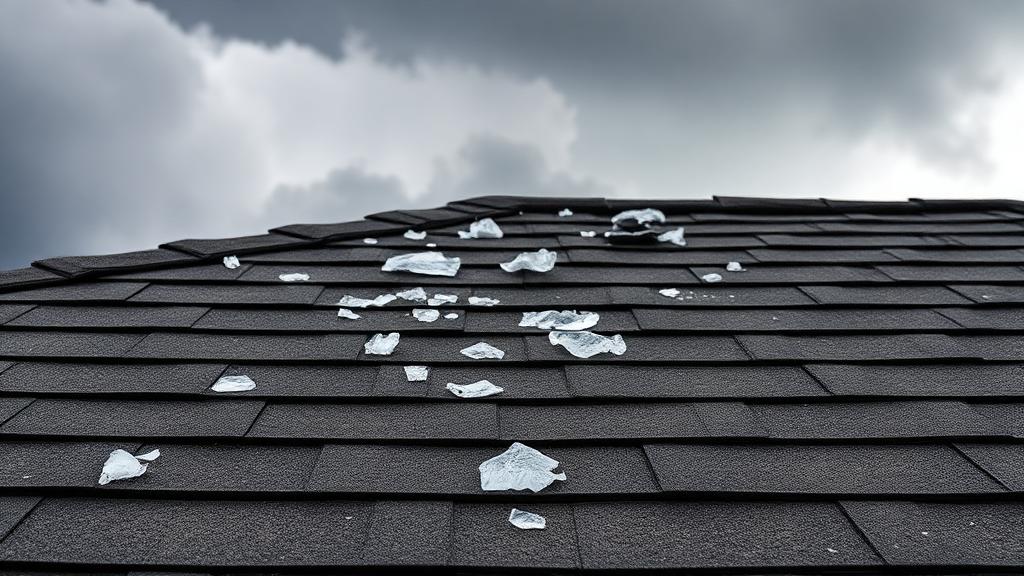
A 3,000 square foot home installed standing seam metal roofing with Energy Star rated coating after hail damage: - Attic temperature reduction: 30+ degrees Fahrenheit - Cooling bill reduction: 28% annual average - Added benefits: Expected 40+ year roof life vs. 20-25 for shingles - Insurance benefit: Premium reduction for impact-resistant metal
Austin Hill Country Case Study:
A 1,800 square foot home combined cool clay tiles with comprehensive attic improvements including radiant barrier and R-60 blown insulation: - Attic temperature: Stays within 15 degrees of outdoor temperature (vs. 40+ degrees before) - Cooling bill reduction: 35% annual - Comfort improvement: Eliminated hot spots in upstairs bedrooms - Environmental impact: Estimated 4,000 lbs annual CO2 reduction
Regional Considerations Across Texas
Different Texas regions may benefit from varying approaches to energy-efficient roofing.
Gulf Coast (Houston, Galveston, Corpus Christi):: High humidity means moisture management is as important as heat reflection. Ensure ventilation solutions address moisture as well as heat. Metal roofing with proper coatings resists both heat and coastal corrosion. Find Houston contractors.
North Texas (Dallas-Fort Worth):: The balance between cooling needs and occasional heating loads favors moderate approaches. Cool shingles perform well without excessive winter heat loss penalties. Consider impact-resistant products for hail protection. Find Dallas contractors.
Central Texas (Austin, San Antonio):: Intense summer sun and long cooling seasons make this region ideal for maximum cool roof investment. Clay tiles with reflective coatings combine traditional aesthetics with excellent performance. Find Austin contractors.
West Texas (El Paso, Midland):: Desert conditions with extreme heat and intense UV favor metal roofing with high-quality reflective coatings. The large temperature swings require materials that handle thermal cycling. Find El Paso contractors.
Conclusion
Energy-efficient roofing offers Texas homeowners meaningful cost savings and improved comfort while extending roof and HVAC system life. Whether you are replacing an aging roof or planning improvements to an existing one, cool roof technology, proper ventilation, and adequate insulation combine to create comprehensive thermal management.
The investment in energy-efficient roofing pays dividends through reduced monthly utility bills, available tax credits and rebates, and enhanced home value. In the Texas climate where cooling represents such a large portion of home energy costs, these improvements offer faster payback than in many other regions.
Ready to explore energy-efficient roofing options for your Texas home? Connect with qualified local contractors who specialize in cool roof installation and can help you maximize energy savings.