How Hurricanes and Severe Storms Affect Different Roofing Materials
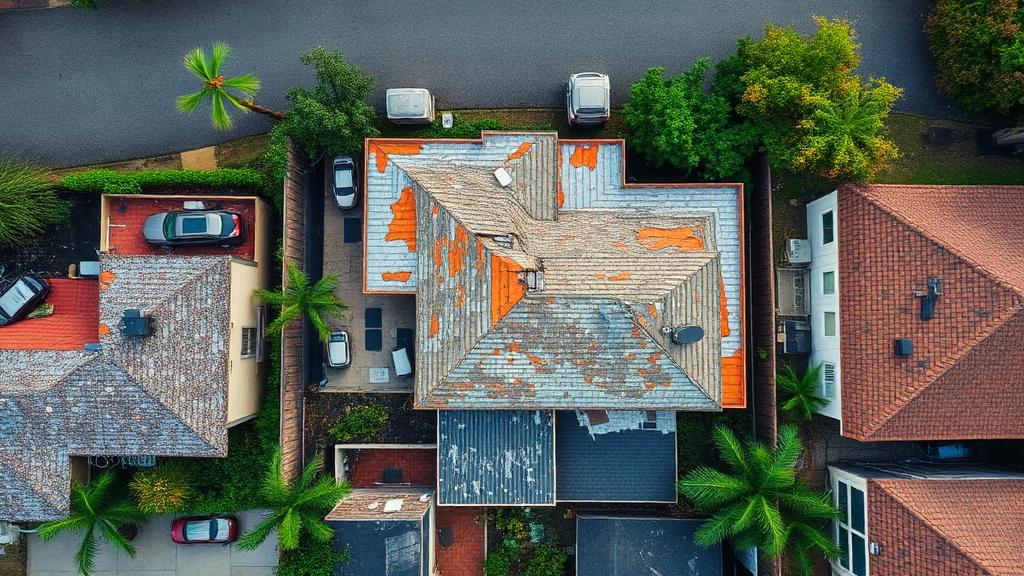
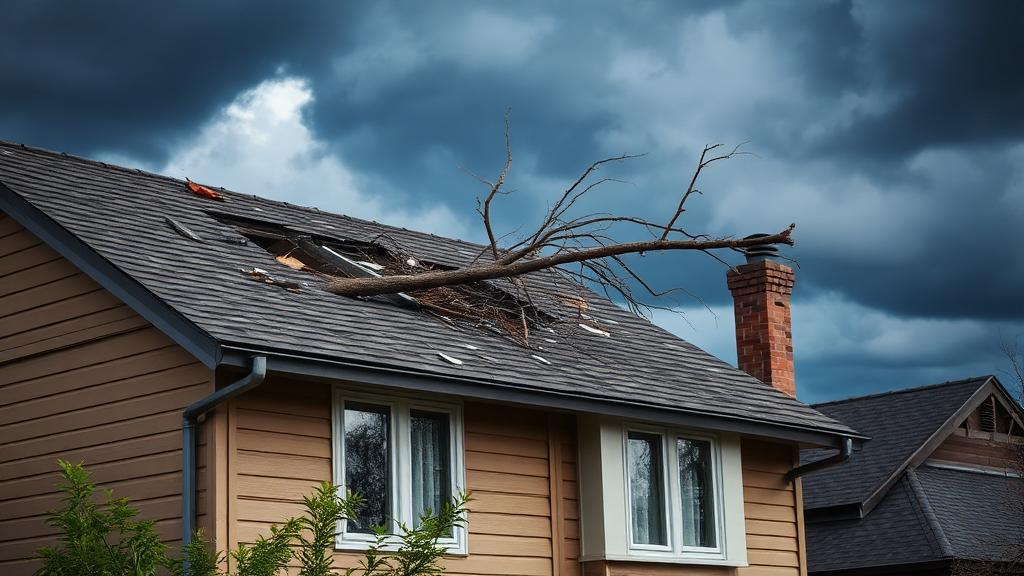
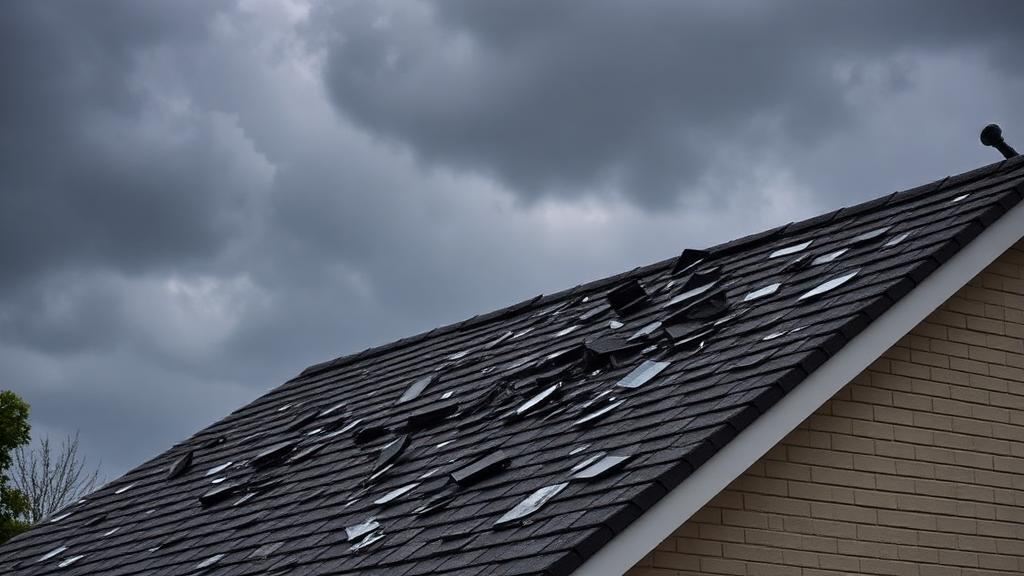
Hurricane season and severe storm events put roofing materials to the ultimate test. Understanding how different roofing materials perform under extreme conditions helps homeowners in storm-prone areas make informed decisions about material selection, maintenance priorities, and insurance coverage. This comprehensive guide examines how various roofing materials respond to hurricane-force winds, torrential rain, hail, and flying debris.
The Forces Roofs Face During Hurricanes
Before examining specific materials, understanding the forces at play during hurricanes and severe storms helps explain why different materials perform differently.
Wind Forces:
Hurricane-force winds create complex stresses on roofing: - Uplift pressure - Negative pressure tries to lift the roof off - Lateral pressure - Direct force against roof surfaces - Vortices - Spinning wind patterns at edges and corners - Pressure fluctuation - Rapid changes stress materials repeatedly
Wind Speed Categories and Impact:
| Hurricane Category | Wind Speed | Typical Roof Impact |
|---|---|---|
| Category 1 | 74-95 mph | Minor shingle damage, gutter damage |
| Category 2 | 96-110 mph | Significant shingle loss, possible structural damage |
| Category 3 | 111-129 mph | Major shingle/tile loss, structural damage possible |
| Category 4 | 130-156 mph | Severe damage, partial roof loss possible |
| Category 5 | 157+ mph | Catastrophic, complete roof destruction possible |
Additional Storm Forces:
Beyond wind, hurricanes deliver: - Horizontal rain - Water driven into normally protected areas - Hail - Ice stones ranging from pea to softball size - Flying debris - Branches, furniture, building materials - Flooding - Can damage from below in severe cases
Asphalt Shingles in Hurricanes
Asphalt shingles remain America's most popular roofing material, but their hurricane performance varies dramatically by type and installation quality.
Standard 3-Tab Shingles:
Performance characteristics: - Wind rating: Typically 60-70 mph - Vulnerable to tab lifting and tearing - Seal strips weaken with age - Often first to fail in hurricane conditions
Architectural/Dimensional Shingles:
Improved storm performance: - Wind rating: Usually 110-130 mph - Thicker construction resists tearing - Larger exposure reduces lifting points - Better seal strip coverage
Impact-Resistant Shingles (Class 4):
Engineered for severe weather: - Wind ratings up to 130+ mph with proper installation - SBS rubber-modified asphalt resists impact - Improved granule retention - Often qualify for insurance discounts
Failure Modes in Hurricanes:
| Failure Type | Cause | Prevention |
|---|---|---|
| Tab lifting | Weakened seal strips | Regular maintenance, proper installation |
| Complete blow-off | Inadequate fastening | 6-nail pattern, hand-sealing at edges |
| Granule loss | Impact and wind abrasion | Impact-resistant materials |
| Water intrusion | Wind-driven rain | Proper underlayment, sealed penetrations |
Installation Factors:
Shingle performance depends heavily on: - Nail placement and pattern (6 nails vs. 4) - Proper seal strip activation - Edge and hip/ridge securing - Underlayment quality and installation - Deck condition and fastening
Metal Roofing Hurricane Performance
Metal roofing systems generally excel in hurricane conditions when properly installed.
Standing Seam Metal:
Superior storm performance: - Wind ratings exceeding 140 mph common - No exposed fasteners to fail - Continuous panels resist uplift - Interlocking seams provide redundancy
Hurricane-Specific Advantages:: - Panels interlock, creating unified system - Factory-applied coatings resist corrosion - Low profile reduces wind resistance - No granules to lose
Exposed Fastener Metal:
Moderate storm performance: - Wind ratings vary (typically 90-120 mph) - Fasteners create potential failure points - Sealers can degrade over time - More economical but less storm-resistant
Metal Roofing Failure Modes:
| Failure Type | System Type | Cause |
|---|---|---|
| Panel lifting | Both | Inadequate edge fastening |
| Seam separation | Standing seam | Clip failure, thermal stress |
| Fastener pullout | Exposed fastener | Improper installation, wood rot |
| Oil-canning | Both | Aesthetic issue, not failure |
| Impact denting | Both | Large debris, typically cosmetic |
Post-Hurricane Considerations:
Metal roofs often sustain cosmetic damage (dents) that doesn't affect functionality. Insurance considerations vary regarding cosmetic vs. functional damage coverage.
Tile Roofing in Hurricane Conditions
Tile roofing (clay and concrete) presents unique hurricane considerations.
Clay Tile Performance:
Traditional beauty with storm considerations: - Individual tiles can become projectiles if unsecured - Properly installed clay resists 150+ mph winds - Breakage from impact is common - Requires specialized underlayment systems
Concrete Tile:
Heavy, durable option: - Weight helps resist uplift (when properly attached) - Less brittle than clay - Ratings can exceed 150 mph - Mass requires robust structural support
Hurricane Fastening Requirements:
Florida and other hurricane-prone areas require: - Every tile mechanically fastened - Hurricane clips or wire ties - Perimeter tiles sealed or mechanically attached - Specific fastener types and patterns
Tile Failure Modes:
| Failure Type | Cause | Consequences |
|---|---|---|
| Individual tile loss | Inadequate fastening | Water intrusion, projectile hazard |
| Mass tile displacement | Underlayment failure | Major water damage |
| Tile breakage | Impact | Replacement needed, water entry |
| Underlayment failure | Age, poor installation | Water damage despite intact tiles |
The Underlayment Factor:
With tile roofing, the underlayment system is critical: - Serves as secondary water barrier - Must withstand UV exposure during repairs - Self-adhering membranes required in many codes - Quality underlayment can protect until tiles are replaced
Wood Shake Performance
Wood shake roofing faces significant challenges in hurricane conditions.
Inherent Vulnerabilities:
- Lightweight compared to other materials
- Individual shake installation creates multiple failure points
- Wood can become saturated, adding weight unevenly
- Age significantly impacts performance
Failure Characteristics:
Wood shakes typically fail through: - Individual shake lifting and tearing - Nail pullout from aged wood - Impact damage from debris - Accelerated deterioration from water exposure
Mitigating Factors:
Better performance when: - Installed with extra fasteners - Treated with fire retardants (also adds weight) - Maintained regularly - Replaced before significant aging
Regional Considerations:
Many hurricane-prone areas: - Restrict or prohibit wood roofing - Require additional fire/impact treatments - May affect insurance availability - Face stricter building code requirements
Slate Roofing Storm Performance
Natural slate offers unique hurricane characteristics.
Durability Advantages:
- Extreme longevity (100+ years)
- Heavy weight resists uplift when properly installed
- Fireproof
- Resistant to rot and impact
Vulnerability Points:
- Individual slates can crack from impact
- Aged, brittle slates more susceptible to damage
- Requires specialized repair skills
- Original slate may be irreplaceable
Hurricane Performance:
Properly installed slate roofing: - Resists extreme winds when each slate is secured - Rarely sees total failure - Repairs typically limited to replacing broken slates - Maintains integrity when surrounding roofs fail
Cost Considerations:
Slate's high initial cost may be justified in hurricane zones by: - Longevity through multiple storm cycles - Lower long-term maintenance - Potential insurance benefits - Preservation of home value
Synthetic and Composite Materials
Modern synthetic options offer engineered storm resistance.
Synthetic Slate and Shake:
Manufactured alternatives featuring: - Engineered impact resistance (often Class 4) - Lighter weight than natural materials - Designed fastening systems for high winds - Consistent quality and availability
Performance in Hurricanes:
| Characteristic | Synthetic Performance |
|---|---|
| Wind resistance | Often 110+ mph rated |
| Impact resistance | Class 4 ratings common |
| Debris penetration | Rubber compounds resist puncture |
| Water resistance | Non-porous materials |
| Repairability | Readily available, easily replaced |
Emerging Technologies:
New developments include: - Self-healing materials for minor damage - Integrated solar options - Advanced polymer formulations - Improved fastening systems
Flat and Low-Slope Roofing
Commercial and some residential properties feature flat roofing systems with distinct hurricane considerations.
Single-Ply Membranes (TPO, EPDM, PVC):
Performance characteristics: - Fully adhered systems resist wind better - Mechanically attached may lift at seams - Ballasted systems can see gravel displacement - Seam integrity is critical
Built-Up Roofing (BUR):
Traditional multi-layer approach: - Mass provides wind resistance - Multiple layers offer redundancy - Gravel surfacing can become projectiles - Older systems more vulnerable
Modified Bitumen:
Modern roll roofing option: - Strong attachment methods available - Flexible materials resist cracking - Cap sheets offer impact resistance - Proper edge securement essential
Choosing Materials for Hurricane Zones
For homes in hurricane-prone regions, material selection significantly impacts storm survival and long-term costs.
Top Performers for Hurricane Regions:
- Standing seam metal - Highest wind ratings, excellent durability
- Impact-resistant asphalt - Cost-effective, good performance
- Concrete/clay tile - Excellent when properly installed
- Synthetic composites - Engineered for severe weather
- Slate - Outstanding but expensive
Regional Building Code Considerations:
Florida, coastal Texas, and other hurricane zones require: - Specific material certifications - Enhanced installation methods - Approved fastening patterns - Secondary water barrier systems - Professional installation verification
Review Florida's hurricane roofing requirements and similar codes for your area.
Insurance Implications
Material choice affects insurance in storm-prone areas.
Potential Discounts:
Many insurers offer discounts for: - Impact-resistant materials (Class 4) - Hurricane-rated installation methods - Metal roofing systems - Code-plus construction
Coverage Considerations:
| Material Type | Common Coverage Issues |
|---|---|
| Standard asphalt | May require wind/hail deductible |
| Metal roofing | Cosmetic damage exclusions |
| Tile roofing | Matching tile availability |
| Wood shake | Availability restrictions |
| Premium materials | Full replacement value provisions |
Post-Storm Material Considerations
After hurricane damage, repair and replacement decisions should consider:
Repair vs. Upgrade:
Major damage creates opportunities to upgrade materials: - Insurance settlements may cover upgraded materials - Building codes may require better materials - Long-term cost savings from improved performance - Opportunity to address underlying issues
Material Availability:
After major hurricanes: - Popular materials face shortages - Prices increase due to demand - Lead times extend significantly - Consider pre-ordering before storm season
Conclusion
Understanding how different roofing materials perform in hurricanes helps homeowners make informed decisions about protection, maintenance, and investment. Key takeaways include:
- Installation quality matters as much as material choice - Proper installation per manufacturer specs and local codes is essential
- Enhanced materials justify their cost in storm zones - Insurance savings and reduced damage often offset higher prices
- Regular maintenance preserves storm performance - All materials degrade; maintained roofs perform better
- Building codes reflect real risks - Follow or exceed local requirements in hurricane zones
- Plan before storm season - Material selection, contractor relationships, and maintenance should happen before threats arise
Whether building new or considering re-roofing, consult with local roofing professionals experienced in hurricane-resistant installation. Their expertise ensures your material investment provides maximum protection when storms strike.