Roof Insurance Claim Denied? Expert Strategies to Fight Back and Get Approved
Receiving a denial letter for your roof insurance claim feels devastating, especially when you're facing expensive repairs and believe your damage should be covered. However, a denied claim isn't necessarily the final word. Many initial denials can be overturned through proper appeals, additional documentation, or professional assistance. This guide explains why claims get denied and provides actionable strategies to fight for the coverage you deserve.
Understanding Why Roof Claims Get Denied
Insurance companies deny claims for various reasons, some legitimate and some questionable. Understanding common denial justifications helps you develop effective counter-strategies.
Common Denial Reasons:
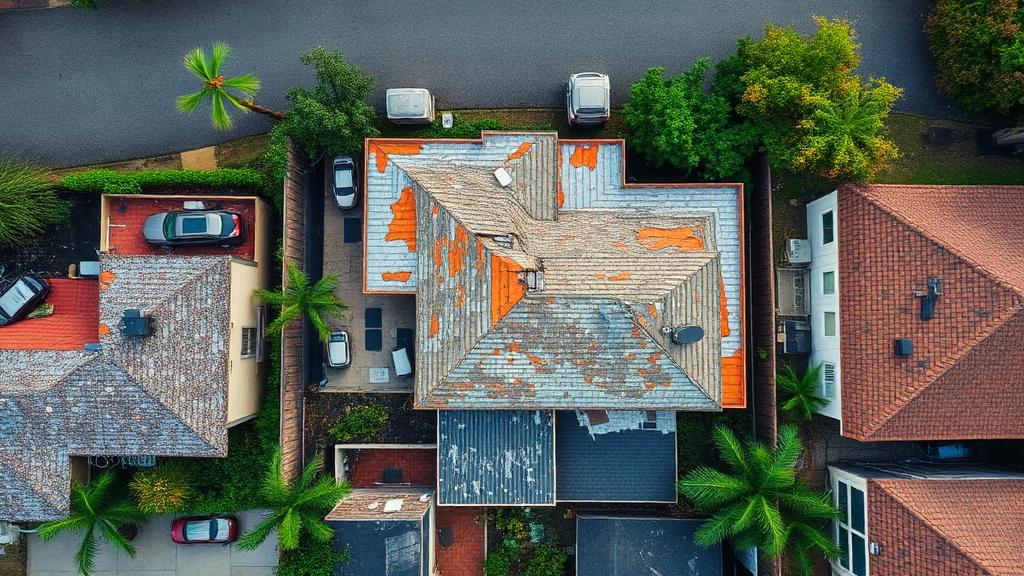
1. Pre-Existing Damage Insurers often claim damage existed before the covered event. They may argue that: - Wear and deterioration, not the storm, caused problems - Damage patterns suggest gradual aging - Previous inspection reports show existing issues
2. Maintenance-Related Damage Policies exclude damage resulting from lack of maintenance: - Clogged gutters leading to water damage - Moss or algae growth left untreated - Minor repairs neglected until major problems developed
3. Coverage Exclusions Your policy may specifically exclude: - Certain types of damage (cosmetic, flood, earthquake) - Specific roofing materials or conditions - Damage from particular causes
4. Policy Lapses or Limitations Administrative issues can cause denials: - Premium payment issues - Filing deadline violations - Failure to meet policy conditions
5. Insufficient Documentation Claims may be denied due to: - Lack of evidence linking damage to covered event - Poor quality photographs or records - Missing required documentation
Initial Steps After Receiving a Denial
Your response in the days following a denial sets the stage for any appeal. Take these steps immediately.
Step 1: Get the Denial in Writing
Request a written denial letter that specifically states: - Exact reason(s) for denial - Policy provisions supporting the denial - Information about your appeal rights - Deadline for filing appeals
Step 2: Review Your Policy Carefully
Compare the denial reasons against your actual policy language: - Read relevant coverage sections - Check for exclusions cited in denial - Note any conditions or requirements - Identify potentially misapplied provisions
Step 3: Preserve All Evidence
Protect existing documentation and gather additional evidence: - Keep all photos, videos, and records - Don't make permanent repairs yet - Document the current condition - Save all correspondence
Step 4: Note Important Deadlines
Track critical timeframes: - Appeal submission deadlines - Statute of limitations for legal action - Policy-required response times - Documentation submission windows
Building Your Appeal Case
A successful appeal requires organized, compelling evidence that directly addresses the denial reasons.
Addressing Pre-Existing Damage Claims:
Counter this denial with: - Prior roof inspection reports showing good condition - Maintenance records demonstrating care - Photos from before the damage event - Contractor statements about damage causation - Neighbor testimony about storm impacts
Addressing Maintenance-Related Denials:
Demonstrate proper maintenance through: - Service receipts and records - Regular inspection documentation - Photos showing maintained condition - Professional opinions on damage cause
Addressing Coverage Disputes:
Challenge misapplied exclusions with: - Clear policy language analysis - Industry standard interpretations - State insurance regulations - Prior claim precedents
The Formal Appeal Process
Insurance companies have established appeal procedures. Following them properly ensures your appeal receives appropriate consideration.
Writing an Effective Appeal Letter:
Include these elements: 1. Your policy number and claim number 2. Clear statement that you're appealing the denial 3. Specific denial reason you're challenging 4. Detailed explanation of why denial is incorrect 5. Supporting evidence list and attachments 6. Request for specific resolution
Appeal Letter Template Structure:
``` [Your Name and Address] [Date] [Insurance Company Name and Address]
RE: Appeal of Claim Denial Policy Number: [Your Policy Number] Claim Number: [Your Claim Number]
Dear Claims Review Department:
I am formally appealing the denial of my roof damage claim dated [denial date]. The denial stated [quote denial reason]. I believe this denial is incorrect because [your reasoning].
[Body paragraphs addressing each denial point with evidence]
Enclosed please find the following supporting documentation: [List all attachments]
I request that you reverse this denial and process my claim for the covered damage described. Please respond within [timeframe] as required by [state regulations if applicable].
Sincerely, [Your Signature and Name] ```
Supporting Documentation:
Strengthen your appeal with: - Professional contractor assessments - Weather data and storm reports - Engineering or inspection reports - Photos with date stamps - Prior condition documentation - Expert opinions on causation
Getting Professional Help
When appeals prove challenging, professional assistance can significantly improve outcomes.
Hiring a Public Adjuster:
Public adjusters are licensed professionals who work exclusively for policyholders:
| Advantages | Considerations |
|---|---|
| Expert policy knowledge | Charge percentage of settlement (10-20%) |
| Experienced negotiators | Quality varies by adjuster |
| Handle all correspondence | May not be needed for simple appeals |
| Often increase settlements | Check licensing and references |
When Public Adjusters Help Most:: - Complex or high-value claims - Multiple denial reasons - Technical damage assessment disputes - Repeated unsuccessful appeals
Consulting an Attorney:
Insurance attorneys specialize in claim disputes: - Typically work on contingency (no upfront cost) - Understand legal requirements insurers must meet - Can pursue bad faith claims if appropriate - Useful for substantial claims or clear wrongdoing
When to Consider Legal Help:: - Significant financial impact - Evidence of bad faith handling - Multiple unsuccessful appeals - Pattern of improper denials
State Insurance Department Complaints
Your state's insurance department regulates insurers and can investigate improper claim handling.
Filing a Complaint:
Contact your state insurance commissioner to: - Report improper claim handling - Request investigation of denial - Get guidance on your rights - Apply regulatory pressure
What Complaints Can Accomplish:
- Prompt insurer review of your claim
- Identify patterns of improper denials
- Result in regulatory action against insurers
- Provide additional leverage for resolution
Finding Your State Department:
Search "[Your State] Department of Insurance" to find: - Online complaint forms - Consumer protection resources - Claim dispute guidance - Regulatory contact information
Mediation and Arbitration Options
Many policies include dispute resolution alternatives to litigation.
Mediation:
A neutral mediator helps both parties reach agreement: - Less formal than court proceedings - Often faster resolution - Lower cost than litigation - Non-binding (you can still pursue other options)
Arbitration:
A neutral arbitrator makes a binding or non-binding decision: - More structured than mediation - Decision may be final and binding - Usually faster than court - Check your policy for required arbitration
Avoiding Future Denials
Once you resolve your current situation, take steps to prevent future claim problems.
Documentation Practices:
- Schedule regular roof inspections
- Keep detailed maintenance records
- Photograph your roof condition annually
- Save all receipts for roof work
Policy Management:
- Review coverage annually
- Understand your deductibles
- Know your filing requirements
- Maintain premium payments
After Storm Events:
- Document damage immediately
- File claims promptly
- Follow policy requirements
- Keep detailed records
Knowing When to Accept or Move On
Sometimes, despite best efforts, claims remain denied. Consider these factors when deciding whether to continue fighting.
Continue Fighting If:
- Strong evidence supports your position
- Denial appears to violate policy terms
- Professional opinions support your claim
- Financial stakes justify effort and cost
Consider Accepting If:
- Denial is clearly supported by policy language
- Evidence genuinely supports insurer's position
- Cost of fighting exceeds potential recovery
- Appeals have exhausted reasonable options
Moving Forward:
If you ultimately cannot overturn a denial: - Get multiple repair estimates - Consider financing options - Plan for future coverage improvements - Document the experience for future reference
Conclusion
A denied roof insurance claim doesn't have to be the final answer. By understanding denial reasons, building strong appeals, and seeking appropriate professional help, many homeowners successfully overturn initial denials and receive the coverage they're entitled to.
Remember that you've paid premiums for this protection, and you have every right to pursue legitimate claims. Don't be intimidated by initial denials—insurance companies know that many policyholders simply accept denials without challenging them. Be the policyholder who knows their rights and advocates effectively for fair treatment.
Find experienced contractors who can provide professional assessments supporting your insurance claim appeal.