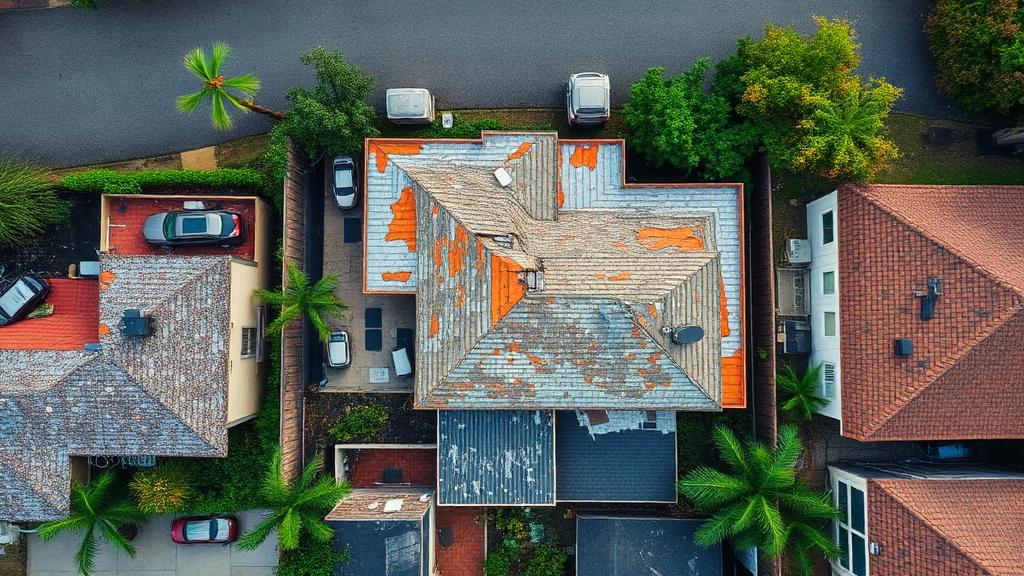
Before and After Documentation: Creating an Unbeatable Roof Insurance Claim File
The difference between a successful roof insurance claim and a disappointing settlement often comes down to documentation. Creating comprehensive before and after records provides the evidence needed to prove damage occurred, demonstrate its extent, and support fair compensation. This guide teaches you to build an unbeatable documentation file for your roof insurance claims.
Why Before and After Documentation Matters
Thorough documentation serves as the foundation of successful insurance claims.
Documentation Purposes:
Proving Damage Occurred:: - Establishes pre-loss condition - Shows change from before to after - Proves damage is new, not pre-existing - Supports covered peril causation
Demonstrating Extent:: - Shows full scope of damage - Documents hidden or subtle issues - Supports repair/replacement scope - Justifies settlement amounts
Supporting Negotiations:: - Provides evidence for disputes - Counters adjuster undervaluation - Supports supplemental claims - Strengthens appeal arguments
Building Your Pre-Loss Documentation
Before damage occurs, establishing baseline documentation protects future claims.
Annual Documentation:
Each year, document: - Full exterior roof views - All roof surfaces and slopes - Flashing and penetrations - Gutters and drainage - Interior ceiling conditions - Attic space (if accessible)
Photography Standards:
Quality photos include: - High resolution images - Good lighting conditions - Multiple angles per area - Close-ups of details - Date stamps visible
Written Records:
Maintain documentation of: - Roof age and installation date - Materials and specifications - Professional inspections - Maintenance performed - Any repairs completed
Professional Inspection Records
Professional documentation provides credibility and detail homeowner photos may lack.
What Professional Inspections Provide:
- Expert condition assessment
- Detailed written reports
- Professional photographs
- Remaining life estimates
- Recommendation documentation
When to Schedule Inspections:
- After purchase (establish baseline)
- Annually or bi-annually
- Before severe weather seasons
- When noticing concerns
- At roof age milestones
Preserving Inspection Records:
Keep all inspection documents: - Original reports and photos - Digital and physical copies - Organized chronologically - Easily accessible
Post-Damage Documentation
When damage occurs, comprehensive documentation supports your claim.
Immediate Documentation:
Safety First:: Document after ensuring safety: - Don't risk injury for photos - Document what's safely accessible - Professional access for dangerous areas
Comprehensive Coverage:
Photograph everything: - Overall damage views - Specific damage areas - Damaged materials closeup - Water intrusion evidence - Interior damage - Related property damage
Context Documentation:
Include supporting context: - Weather conditions - Date and time stamps - Damage source (fallen tree, etc.) - Neighboring property damage - Emergency response activities
Creating Before/After Comparisons
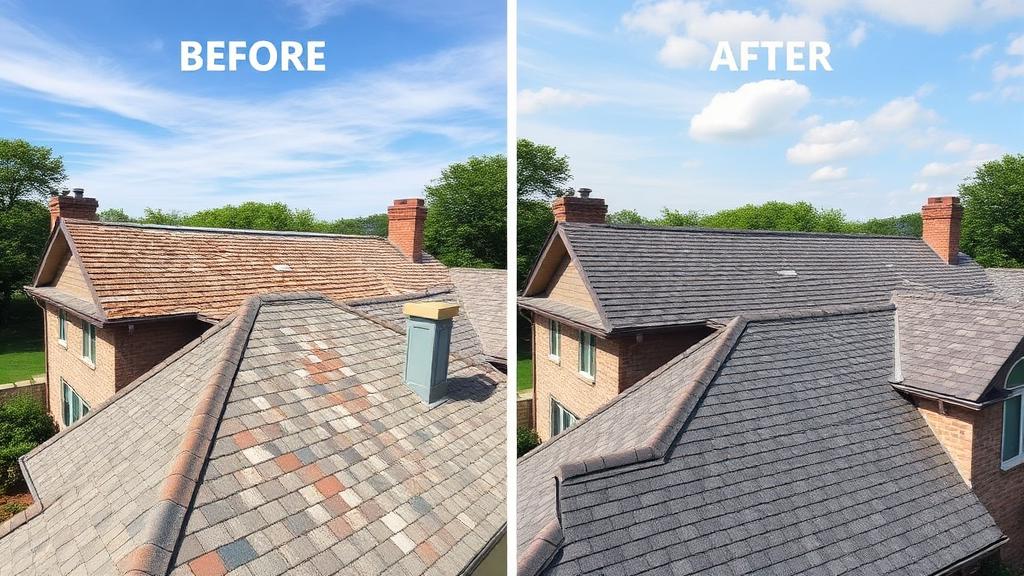
Side-by-side comparisons powerfully demonstrate damage.
Effective Comparison Strategies:
Matching Angles:: - Photograph from same positions - Use landmarks for reference - Maintain consistent distances - Match lighting when possible
Comparison Presentation:
Create clear comparisons: - Side-by-side image layouts - Before image on left - After image on right - Labels indicating date/condition - Arrows pointing to changes
Digital Organization:
Organize comparisons logically: - By roof section - By damage type - With clear file naming - In easily shared formats
Video Documentation Techniques
Video captures context and continuity photos cannot.
When to Use Video:
- Walking tours of damage
- Active water intrusion
- Showing extent of affected areas
- Demonstrating damage relationships
- Recording conditions
Video Best Practices:
- Narrate while recording
- Move slowly and steadily
- Start with overview
- Progress to details
- Note date and time verbally
Video Content:
Include in recordings: - Date and time statement - Weather description - Overall damage tour - Specific area focus - Before condition reference
Organizing Your Claim File
Systematic organization makes documentation accessible and effective.
File Structure:
Organize documentation: ``` Roof Claim File/ ├── Pre-Loss Documentation/ │ ├── Annual Photos/ │ ├── Inspection Reports/ │ └── Maintenance Records/ ├── Damage Event/ │ ├── Damage Photos/ │ ├── Videos/ │ ├── Weather Reports/ │ └── Timeline/ ├── Claim Documents/ │ ├── Claim Number/ │ ├── Correspondence/ │ ├── Adjuster Reports/ │ └── Estimates/ ├── Comparisons/ │ ├── Before-After Photos/ │ └── Documentation/ └── Settlement/ ├── Final Documents/ └── Repair Records/ ```
Digital Storage:
Protect your documentation: - Cloud backup for all files - Multiple storage locations - Accessible from any device - Protected from loss
Supporting Documentation
Beyond photos, additional documentation strengthens claims.
Weather Documentation:
Collect weather evidence: - Official weather reports - Storm tracking data - Temperature records - News coverage - National Weather Service data
Timeline Documentation:
Create detailed timeline: - When damage event occurred - When damage discovered - Actions taken with dates - Communication records - Repair progression
Third-Party Documentation:
Gather supporting evidence: - Neighbor statements - Emergency responder reports - Contractor assessments - Professional opinions
Using Documentation in Claims
Effectively presenting documentation maximizes impact.
Initial Claim Filing:
Submit with claim: - Key damage photographs - Basic timeline - Written damage description - Weather documentation
Adjuster Inspection:
Provide to adjuster: - Complete photo documentation - Before/after comparisons - Professional assessment reports - Timeline and weather evidence
Settlement Negotiation:
Use documentation to: - Support scope arguments - Counter undervaluation - Justify replacement needs - Document missed damage
Appeals and Supplements:
Documentation supports: - Appeal of denials - Supplemental requests - Dispute resolution - Additional coverage requests
Common Documentation Mistakes
Avoid errors that weaken your claim file.
Insufficient Pre-Loss Records:: - No baseline documentation - Incomplete coverage - Poor quality images - Missing dates
Post-Damage Errors:: - Delayed documentation - Missing areas - Poor photo quality - No written descriptions
Organization Problems:: - Disorganized files - Missing critical documents - No backup copies - Inaccessible storage
Technology Tools
Modern tools enhance documentation quality.
Smartphone Features:
Utilize phone capabilities: - High-resolution camera - GPS location tagging - Automatic date stamps - Video recording - Cloud sync
Apps and Software:
Consider helpful tools: - Photo organization apps - Cloud storage services - Document scanning - Timeline creation - Report generation
Professional Documentation Services
For significant claims, professional documentation may be worthwhile.
When to Consider:
- Large claim values
- Complex damage
- Dispute situations
- Limited personal capability
Professional Services:
Professionals can provide: - Expert damage assessment - High-quality documentation - Comprehensive reports - Expert testimony support
Maintaining Documentation Habits
Build ongoing documentation practices.
Regular Activities:
Make documentation routine: - Annual roof photography - Post-storm quick inspections - Maintenance activity records - Updating baseline photos
After Events:
Following any concerning event: - Quick damage check - Photographs of conditions - Notes on observations - Follow-up if concerns
Conclusion
Comprehensive before and after documentation creates the foundation for successful roof insurance claims. By establishing baseline records before damage occurs, documenting thoroughly when it does, and organizing your claim file effectively, you position yourself for fair treatment and appropriate settlements.
Start building your documentation file today—don't wait until damage occurs. Regular documentation habits protect your home and your financial interests when you need them most.
Find professional roofing contractors who can support your documentation with expert assessments and detailed reports.