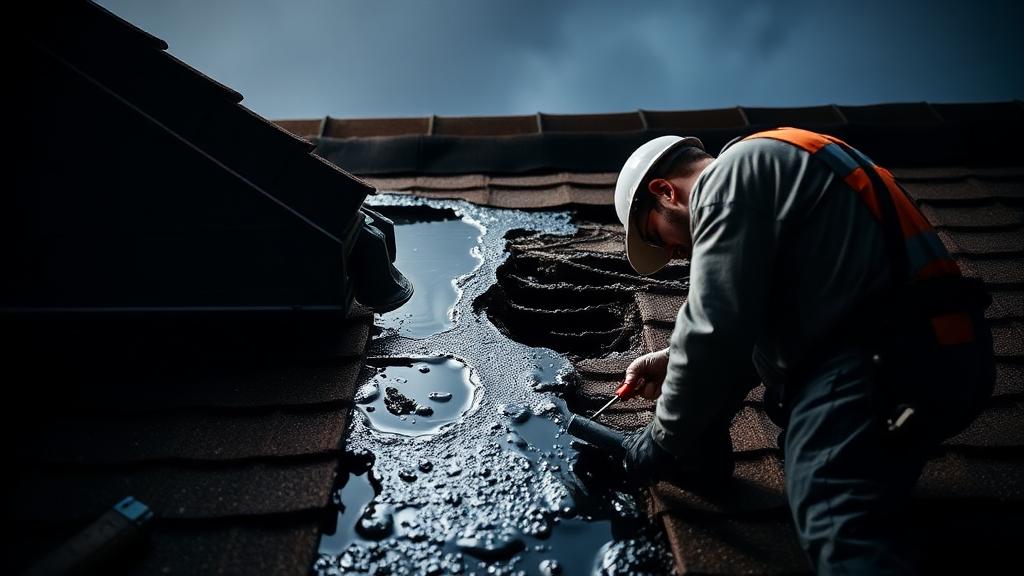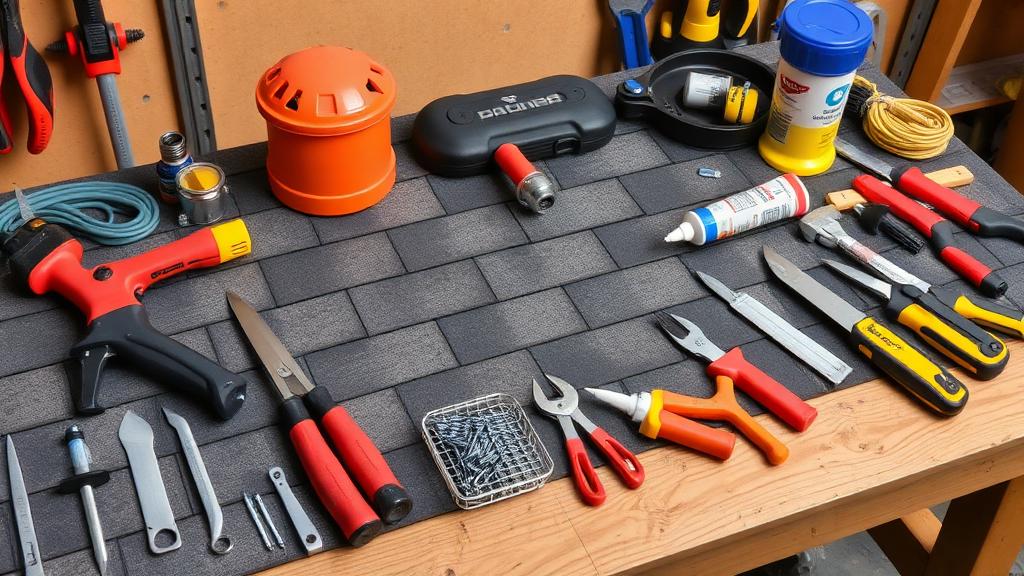
Roof Valley Repair: Fixing One of Your Roof's Most Vulnerable Areas
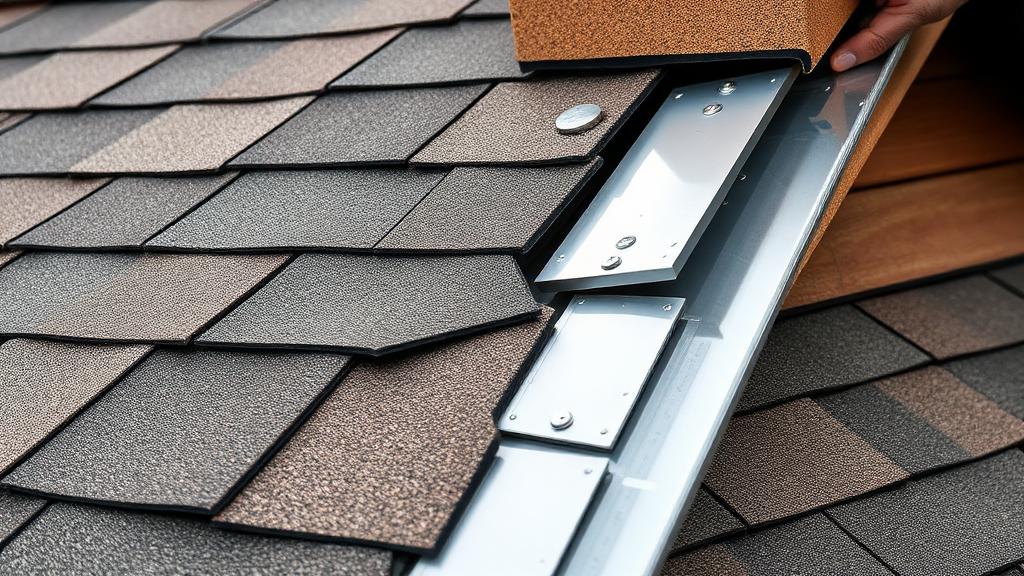
Roof valleys are the internal angles where two roof planes meet, and they channel more water than any other part of your roof. This makes them critically important and particularly vulnerable to problems.
Understanding Roof Valleys
Valleys must handle concentrated water flow without failure.
Valley Types:
- Open Valleys
- - Metal flashing visible between shingles
- - Water flows directly on metal
- - Easy to inspect and clean
- - Common in steep roofs
- Closed Cut Valleys
- - Shingles from one side extend across
- - Shingles from other side cut along the valley
- - Metal underlayment hidden
- - Popular aesthetic choice
- Woven Valleys
- - Shingles from both sides interlace
- - No cutting required
- - No exposed metal
- - Requires precise installation
Water Volume in Valleys:: A typical valley can channel water from hundreds of square feet of roof surface. During heavy rain: - Valleys handle 10-20x the water flow of flat areas - Water velocity increases as it funnels - Debris can cause dangerous backup - Any failure creates significant leaks
Common Valley Problems
Understanding problems helps with identification and prevention.
Debris Accumulation:: Valleys naturally collect debris: - Leaves accumulate and trap moisture - Pine needles block water flow - Granules from deteriorating shingles build up - Animals sometimes nest in protected areas
Impact: - Trapped moisture accelerates deterioration - Debris dams cause water backup - Organic material promotes rot - Ice dams form more easily
Shingle Deterioration:: Valleys experience accelerated wear: - Constant water exposure - Debris abrasion - Temperature fluctuations - UV exposure on open valleys
Signs: - Worn shingle edges - Exposed underlayment - Cracked or curled shingles - Missing granules
Metal Flashing Failure:: Open valley metal eventually fails: - Rust and corrosion develop - Seams separate - Holes form - Edges lift
Ice Dam Formation:: Valleys are prime ice dam locations: - Snow accumulates deeper - Freeze-thaw cycles concentrated - Ice blocks drainage - Water backs up under shingles
Learn about ice dam prevention.
Identifying Valley Damage
Regular inspection catches problems early.
Ground-Level Signs:: - Visible debris accumulation - Stained or discolored valley areas - Obvious missing shingles along valley - Rust visible on metal valleys
Attic Signs:: - Water stains along valley lines - Daylight visible through valley - Moisture or frost on decking - Mold growth along valley areas
Roof-Level Inspection:: For walkable roofs or professional inspection: - Check shingle condition along valley - Examine metal for rust, holes, separation - Test shingle adhesion at edges - Look for lifted or displaced pieces
DIY Valley Maintenance
Regular maintenance prevents many problems.
Debris Cleaning:: Frequency: At least twice yearly, more if surrounded by trees
Process: 1. Use soft brush or leaf blower 2. Work from ridge toward eave 3. Clear debris from entire valley length 4. Check for damage revealed by cleaning 5. Inspect metal or shingle condition
Safety: - Never walk directly in valleys - Stay to sides when accessing - Use proper fall protection - Don't work on wet roofs
Minor Sealing:: For small gaps or lifted edges: 1. Clean area thoroughly 2. Apply roofing cement under edges 3. Press materials firmly 4. Apply additional cement over seams 5. Allow proper curing time
Professional Valley Repairs
Most valley repairs require professional expertise.
When Professional Repair Is Needed:: - Metal replacement required - Multiple shingles affected - Underlying damage suspected - Steep roof access - Proper materials required
Valley Repair Types:
| Repair | Typical Cost | Duration |
|---|---|---|
| Minor sealing | $200-$400 | 1-2 hours |
| Shingle replacement | $400-$800 | 2-4 hours |
| Metal reflashing | $600-$1,200 | 4-8 hours |
| Complete reconstruction | $1,000-$2,500 | 6-12 hours |
Professional Repair Process:
- Assessment
- - Inspect entire valley system
- - Check for deck damage
- - Evaluate surrounding areas
- - Determine proper repair scope
- Preparation
- - Remove debris and damaged materials
- - Repair any deck damage
- - Install or repair ice and water shield
- - Prepare flashing materials
- Installation
- - Install valley flashing properly
- - Integrate with surrounding shingles
- - Seal all critical points
- - Ensure proper water shedding
- Verification
- - Water test when appropriate
- - Visual inspection
- - Documentation
- - Warranty provision
Valley Reconstruction
Sometimes repair isn't sufficient.
When Reconstruction Is Needed:: - Repeated repairs haven't solved problems - Underlying deck damage is extensive - Building movement has compromised valley - Original installation was defective - Major roof renovation underway
Reconstruction Process:: 1. Remove all valley materials 2. Inspect and repair deck 3. Install ice and water shield (required by code) 4. Install valley flashing system 5. Integrate with roofing material 6. Ensure proper drainage
Valley Materials and Methods
Material choice affects longevity and performance.
Valley Metal Options:
| Material | Lifespan | Cost | Notes |
|---|---|---|---|
| Galvanized steel | 20-30 years | $ | Most common |
| Aluminum | 30-40 years | $$ | Won't rust |
| Copper | 50-100 years | $$$$ | Premium choice |
| Painted steel | 25-35 years | $$ | Color options |
Underlayment Requirements:: Modern building codes require ice and water shield in valleys: - Self-adhering membrane - Creates waterproof barrier - Extends 36" from centerline minimum - Essential in cold climates
Shingle Integration:: Proper shingle work at valleys: - Shingles extend past valley centerline - Cut angles allow water flow - Cement seals all cut edges - Nails placed away from valley
Preventing Valley Problems
Proactive measures extend valley life.
Regular Maintenance:: - Clean debris minimum twice yearly - More frequent if heavy tree coverage - Inspect after major storms - Address issues promptly
Gutter Considerations:: Valleys typically empty into gutters: - Keep gutters clear - Size downspouts for volume - Consider guards at valley locations - Ensure proper gutter slope
Ventilation:: Proper attic ventilation reduces valley problems: - Minimizes ice dam formation - Reduces moisture buildup - Prevents premature deterioration
Tree Management:: Trees near valleys: - Trim overhanging branches - Remove debris-producing trees if chronic problem - Consider debris guard options
Valley Problems and Insurance
Valley issues sometimes qualify for insurance coverage.
Typically Covered:: - Storm damage to valleys - Wind-lifted valley materials - Hail damage - Debris impact
Typically Not Covered:: - Age-related deterioration - Wear from debris accumulation - Improper installation - Maintenance neglect
Document any storm-related damage promptly for insurance claims.
Signs Valley Repair Is Urgent
Some situations require immediate attention.
Emergency Signs:: - Active leaking during rain - Visible holes in valley metal - Sections of missing shingles - Water stains appearing on ceilings - Visible daylight through valley
Prompt Attention Needed:: - Multiple lifted shingles - Extensive rust on metal - Significant debris dam - Ice dam damage visible - Repeated interior staining
Finding Valley Repair Contractors
Valley work requires specific expertise.
Contractor Qualities:: - Experience with your valley type - Proper licensing and insurance - Written scope and pricing - Warranty on workmanship - References available
Questions to Ask:: - How will you address the underlying cause? - What materials will you use? - How will you integrate with existing roofing? - What warranty do you provide? - How will you prevent future problems?
Find qualified local contractors experienced in valley repairs.
Conclusion
Roof valleys require more attention than many homeowners realize. These concentrated water channels can fail in ways that cause significant damage quickly. Regular cleaning, prompt repairs, and professional attention when needed protect this vulnerable area. Don't ignore valley problems—they only worsen with time.
Need professional valley repair assessment? Connect with experienced roofing contractors who specialize in leak repair and valley work.