Solar Panel Maintenance: Protecting Your Rooftop Energy Investment
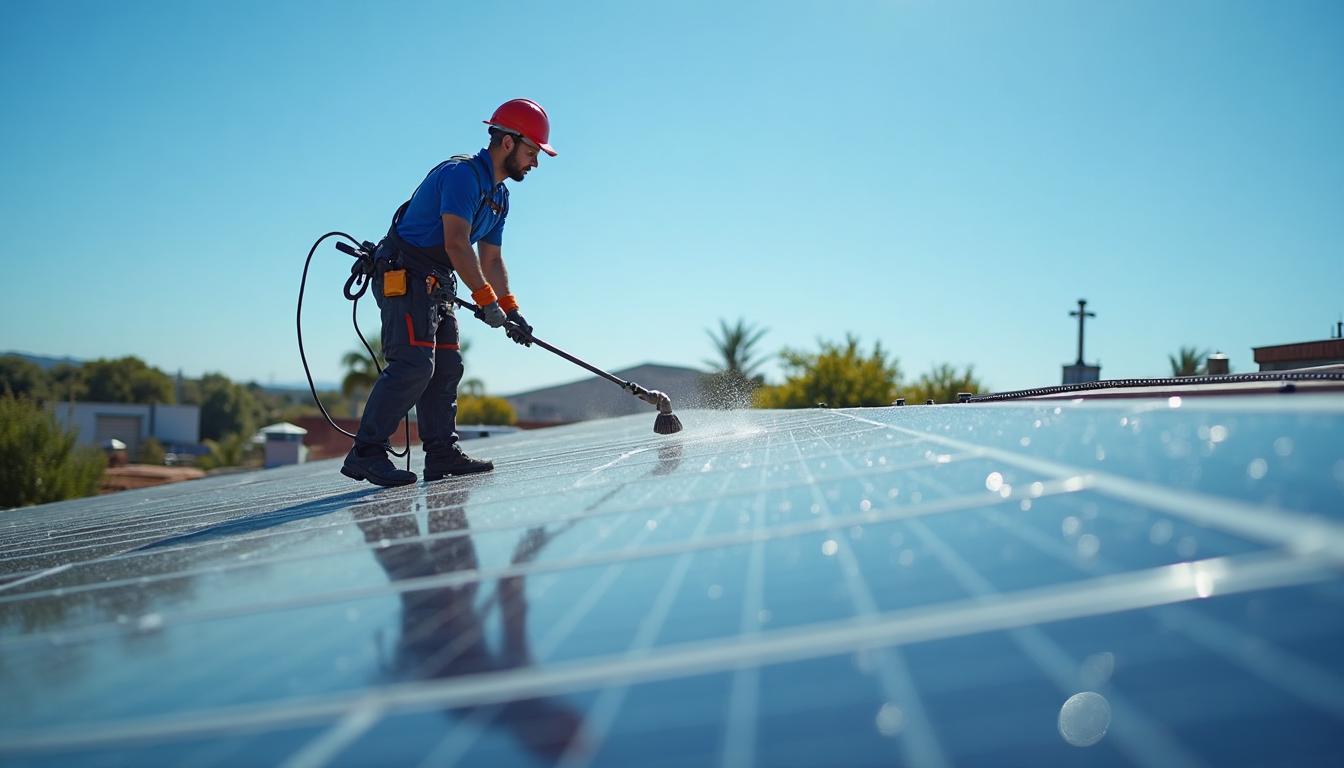
Solar panels are remarkably low-maintenance compared to most home systems, but thoughtful attention ensures they perform optimally throughout their 25-30 year lifespan. Understanding what maintenance your system needs helps you maximize production and protect your investment.
Why Solar Maintenance Matters
Modern solar panels are designed for decades of outdoor exposure with minimal intervention. They have no moving parts, require no lubrication, and are sealed against moisture intrusion. However, environmental factors can still affect performance, and early detection of issues prevents small problems from becoming costly repairs.
The Production Impact of Neglect
Research from the National Renewable Energy Laboratory shows that dirty panels can lose 5-25% of their production capacity depending on soil type and accumulation. More significant issues like shading from tree growth or component failures can cause larger losses that compound over time.
Common production losses from neglect include dirty panels causing 5-25% loss depending on conditions, partial shading from vegetation causing 10-40% loss depending on shading pattern, failed microinverters or optimizers causing 5-15% loss per failed unit, and undetected system issues causing variable losses that compound until resolved.
A 10% production loss on an 8kW system at $0.14/kWh represents approximately $150 in lost savings annually. Over 25 years, that compounds to $4,000-$5,000 in unrealized value, making basic maintenance clearly worthwhile.
Types of Solar Maintenance
Solar maintenance falls into three categories: what you can do yourself, what requires occasional professional attention, and what your monitoring system handles automatically.
Owner Maintenance:: Visual inspections, basic cleaning, vegetation management, and monitoring review.
Professional Maintenance:: Electrical testing, detailed inspections, inverter service, and warranty-related issues.
Automated Monitoring:: Production tracking, fault detection, and performance alerts.
Regular Maintenance Tasks for Homeowners
Most solar maintenance requires minimal time and no special tools. Establishing a simple routine keeps your system performing well.
Visual Inspections
Conduct quarterly visual inspections of your array, or after significant weather events. You do not need to access your roof for basic inspections; binoculars work well for most observations.
What to look for:
Examine panels for visible damage including cracks, chips, or discoloration that may indicate cell damage from impacts or manufacturing defects. Debris accumulation matters because leaves, branches, or bird nests that block sunlight significantly reduce production and should be removed safely. Check for proper mounting by looking for any panels that appear shifted, loose, or tilted differently than others. Verify that all visible wiring remains secured and undamaged. Examine the inverter through its status lights, as most inverters display green for normal operation, yellow for warnings, and red for faults.
For seasonal maintenance integration, see our roof maintenance calendar.
Monitoring System Production
Your solar monitoring system provides valuable insights into system health. Review it regularly to catch issues early.
What healthy production looks like:: - Daily production follows a bell curve peaking around solar noon - Cloudy days show reduced but consistent production - Each panel or string produces similar output (within 5-10%) - Monthly totals roughly match seasonal expectations
Warning signs to watch for:: - Sudden production drops suggest equipment failure or new shading - Gradual decline may indicate soiling or degradation - Individual panel underperformance indicates potential issues with that panel or its connections - Inverter errors or warnings need prompt attention
Many monitoring systems allow setting alerts for production below expected thresholds. Configure these alerts to provide early warning of developing issues.
Cleaning Solar Panels
In many climates, rain provides adequate cleaning to maintain reasonable production. However, certain conditions warrant active cleaning.
When cleaning helps:: - Dusty or dry climates with infrequent rain - Areas with significant pollen or agricultural dust - After extended dry periods - When visible soiling is apparent - Near construction activities or unpaved roads
DIY cleaning procedure:
The best time to clean is early morning when panels are cool, or on overcast days. Cleaning hot panels risks thermal shock and can leave residue as water evaporates quickly.
For supplies, you need a garden hose with spray nozzle, soft brush or squeegee on extension pole, and optionally a bucket with mild dish soap diluted in water.
Follow these steps: Start by rinsing with plain water to remove loose debris. If needed, apply soapy water with soft brush using gentle pressure. Rinse thoroughly to remove all soap residue. Allow to air dry and do not wipe dry with abrasive materials.
What to avoid:
Never use abrasive brushes or pads that can scratch panel glass. Skip pressure washers that can damage seals and cells. Avoid harsh chemicals or solvents that may damage panel surfaces. Do not walk on panels or lean heavy equipment against them.
When to hire professionals:
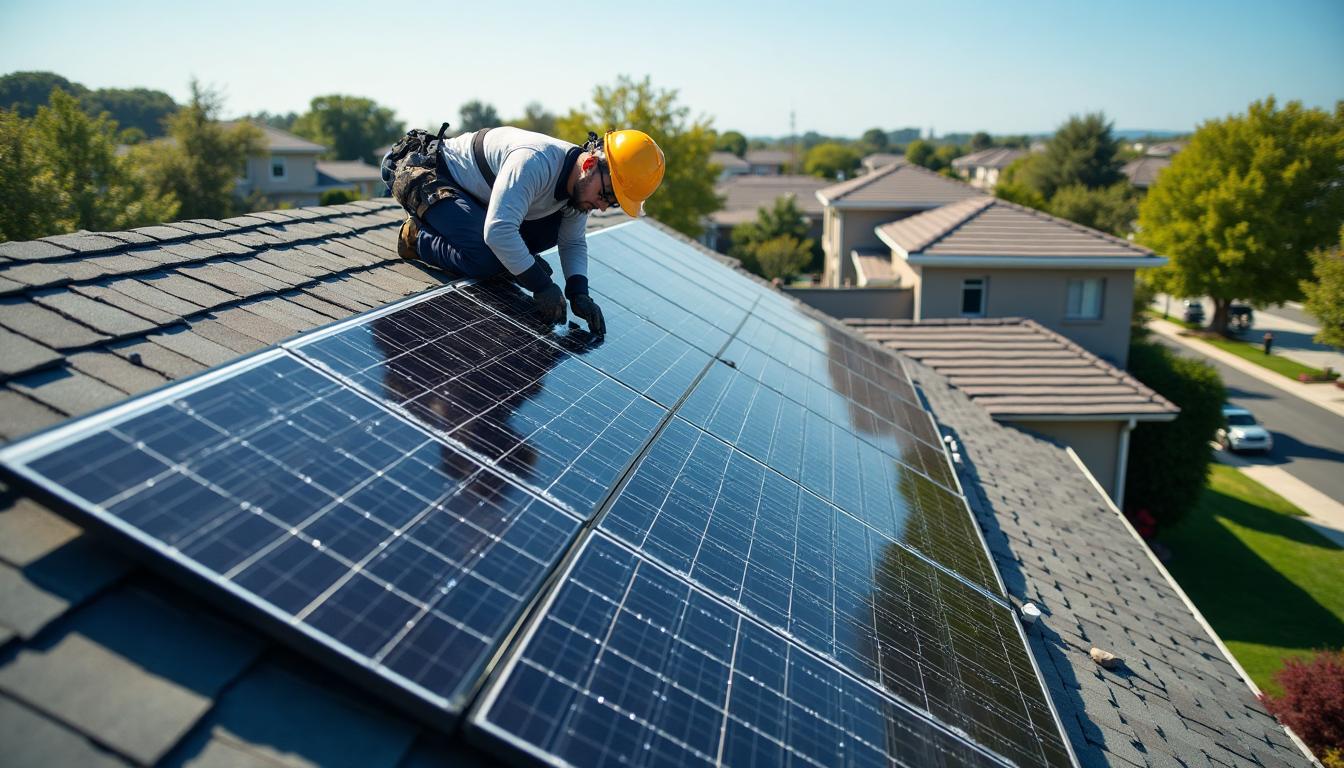
Professional cleaning makes sense when you cannot safely access your roof, your panels are significantly soiled, you are uncomfortable with the task, or your system is under-producing despite appearing clean.
Professional cleaning typically costs $100-$300 depending on system size and accessibility. For most homeowners, professional cleaning every 2-3 years supplements natural rainfall and occasional DIY rinsing.
Vegetation Management
Trees and vegetation near your solar array require ongoing attention as they grow and change.
Key vegetation concerns:
Direct shading from tree branches significantly reduces production. Even partial shading on one cell can affect an entire panel or string depending on your system design. Trimming trees to maintain clear solar access may be needed as growth occurs.
Falling debris from nearby trees can accumulate on panels and potentially cause damage. Consider the trajectory of falling leaves, branches, and seeds when evaluating vegetation proximity.
Some plants attract wildlife that may nest under or around your array. Bird nests under panels can create fire hazards and reduce airflow needed for cooling.
Develop a vegetation management plan when installing solar, and budget for periodic trimming as needed.
Professional Inspections and Service
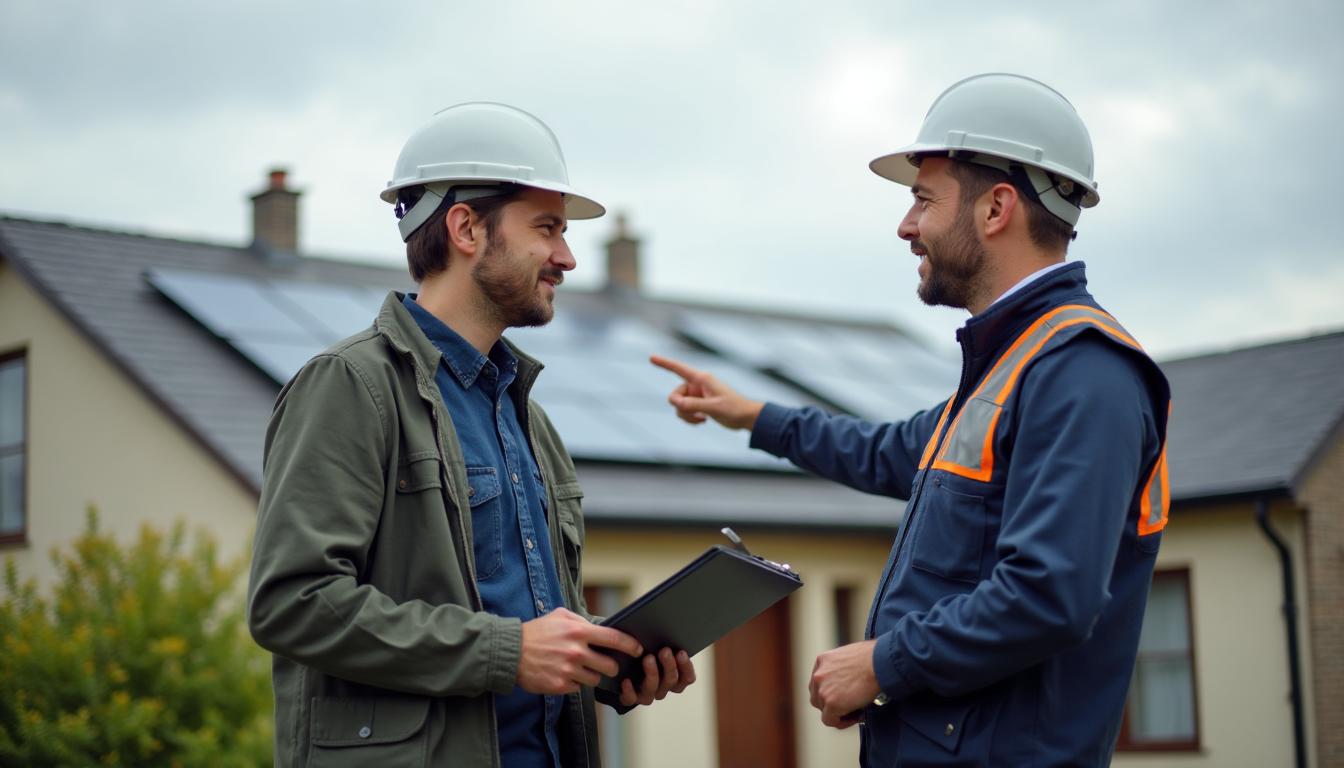
While owner maintenance handles most needs, periodic professional inspections provide valuable system verification.
When to Schedule Professional Inspection
Plan professional inspections every 3-5 years for optimally performing systems, after significant weather events like hail, high winds, or fallen trees, when production drops without obvious explanation, before warranty expiration to document system condition, and after any roof work that may have affected the array.
What Professional Inspections Cover
Qualified solar technicians perform comprehensive evaluations including electrical testing to measure voltage and current at each string or panel, checking all connections for tightness and corrosion at junction boxes, examining all visible wiring for damage or deterioration, verifying proper function of panel-level electronics if equipped, testing inverter performance against specifications, reviewing your production data for anomalies, and confirming compliance with current codes for safety.
Inverter Maintenance
Inverters require minimal maintenance but may need attention during their lifespan.
String Inverters:
Central inverters typically last 10-15 years, less than panel lifespan. Budget for one inverter replacement during your system life. Keep the area around your inverter clear for ventilation. Check status lights periodically and respond promptly to warnings.
Microinverters and Optimizers:
Panel-level electronics should last closer to panel lifespan of 25+ years. Failed units affect only their associated panel. Your monitoring system identifies failures automatically.
Warranty Considerations
Understanding your warranty coverage helps you maintain protection and make appropriate decisions about service.
Typical Warranty Coverage
Panel warranties include a product warranty of 10-25 years for defects and a performance warranty of 25-30 years guaranteeing at least 80-85% of original output.
Inverter warranties typically provide 10-12 years standard coverage for string inverters, with extended warranties available. Microinverters often include 25-year warranties.
Installation warranties usually cover 5-10 years for workmanship from your installer, which covers roof penetrations and electrical work.
Warranty Maintenance Requirements
Review your warranty documentation for any maintenance requirements. Most warranties do not require professional maintenance, but some may specify conditions that could void coverage.
Common warranty considerations:
Document any issues promptly and report to manufacturer or installer. Keep records of maintenance performed. Do not attempt repairs that could void warranty. Use manufacturer-approved replacement parts if needed.
Extended Warranty Options
Extended warranties are available for some components, particularly inverters. Evaluate cost versus likely repair expense when deciding on extended coverage.
Troubleshooting Common Issues
Some common issues can be identified and sometimes resolved without professional help.
Production Lower Than Expected
If your system produces less than predicted, systematically evaluate potential causes. Check for new shading from tree growth, new construction, or seasonal sun angle changes. Verify your monitoring system is functioning correctly. Look for visible panel damage or soiling. Confirm inverter status shows normal operation. Review weather patterns, as cloudy periods reduce production.
Inverter Error Messages
Inverter errors require attention but are not always emergencies. Common messages include grid fault meaning the utility power is unstable, isolation fault indicating potential ground fault in the array, over-temperature meaning the inverter is too hot which is often temporary, and communication error meaning there is a loss of connection to the monitoring system.
For persistent errors, consult your inverter manual and contact your installer or a qualified service provider.
Physical Damage
Storm damage, falling branches, or other physical impacts require professional evaluation. Do not attempt to repair damaged panels yourself. Contact your installer and your homeowners insurance for proper claims and repair procedures.
For storm damage assessment, see our storm damage guide.
Conclusion
Solar panel maintenance is straightforward and minimally demanding, making it one of the lower-maintenance investments you can make in your home. Regular monitoring, occasional cleaning, and periodic professional inspection keep your system performing optimally for decades.
The key principles for solar maintenance success include monitoring production regularly to catch issues early, keeping panels reasonably clean through rainfall or periodic attention, managing vegetation to prevent shading and debris accumulation, scheduling professional inspections every 3-5 years, and responding promptly to warning signs or production anomalies.
By following these practices, your solar investment will continue generating clean energy and savings throughout its expected 25-30 year lifespan.
Need professional solar maintenance or inspection? Find qualified solar professionals in your area through our contractor directory.