Water Damage and Roof Leaks: How to File Successful Insurance Claims
Water damage from roof leaks can cause extensive harm to your home's structure, interior finishes, and personal belongings. Understanding how insurance covers this type of damage—and what's required to file successful claims—helps protect your home and finances when leaks occur. This comprehensive guide covers everything homeowners need to know about water damage insurance claims related to roofing issues.
Understanding Water Damage Coverage
Insurance coverage for water damage isn't straightforward. Your policy distinguishes between different types of water damage, and understanding these distinctions is crucial for successful claims.
Covered Water Damage:
Standard homeowner's policies typically cover water damage that is: - Sudden and accidental - Result of a covered peril (storm, falling object, etc.) - Not due to maintenance neglect
Common Covered Scenarios:: - Storm damage creates hole allowing rain entry - Wind lifts shingles, rain enters through gaps - Hail punctures roofing material - Fallen tree branch damages roof - Ice dam formation from severe weather
Non-Covered Water Damage:
Policies generally exclude: - Gradual leaks over time - Damage from neglected maintenance - Long-term water intrusion - Flood damage (requires separate policy) - Sewer backup (may require endorsement)
The Critical Distinction:
| Covered | Not Covered |
|---|---|
| Sudden roof breach from storm | Slow leak from aging flashing |
| New leak from recent damage | Known leak left unrepaired |
| First-time water intrusion | Repeated damage from same source |
Identifying the Source of Water Damage
Before filing a claim, understanding where water entered helps determine coverage and supports your claim documentation.
Common Roof-Related Water Entry Points:
- Damaged Shingles - Missing, cracked, or lifted shingles allow direct water entry
- Flashing Failures - Deteriorated flashing around penetrations creates leak paths
- Valley Damage - Compromised valley materials concentrate water infiltration
- Vent Boot Deterioration - Cracked rubber boots around pipes leak
- Ice Dam Formation - Ice backing up water under shingles
Interior Water Damage Signs:
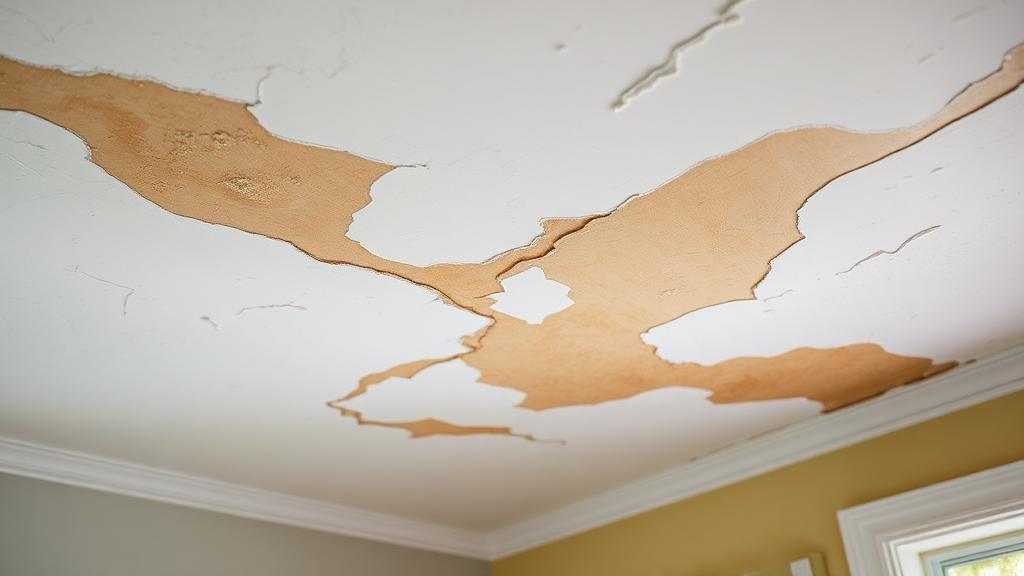
- Ceiling stains and discoloration
- Peeling paint or wallpaper
- Soft or sagging drywall
- Mold or mildew growth
- Musty odors
- Damaged insulation
Immediate Response to Roof Leaks
Your actions when discovering a leak significantly impact both damage severity and claim success.
Step 1: Mitigate Active Damage
- Place containers to catch dripping water
- Move belongings away from leak areas
- Cover furniture and electronics with plastic
- Turn off electricity to affected areas if severe
Step 2: Document Extensively
- Photograph all visible water damage
- Video active leaks if possible
- Document the date and time discovered
- Note weather conditions (if storm-related)
- Photograph any visible roof damage
Step 3: Protect Your Property
Insurance policies require reasonable efforts to prevent additional damage: - Apply temporary roof tarps - Remove standing water from floors - Run dehumidifiers to reduce moisture - Remove wet materials if they threaten further damage
Important:: Keep all receipts for mitigation efforts—these costs are typically reimbursable.
Step 4: Contact Your Insurance Company
- Report the damage promptly
- Describe the situation accurately
- Ask about emergency repair coverage
- Get your claim number
- Note the representative's name
Filing Your Water Damage Claim
Successful claims require thorough documentation and clear communication with your insurer.
Information to Provide:
- Policy number and contact information
- Date water damage was discovered
- Description of damage source (if known)
- Extent of interior damage
- Any emergency measures taken
Documentation to Submit:
Compile comprehensive evidence including: - All photographs and videos - Weather reports (if storm-related) - Timeline of discovery and response - Emergency repair receipts - List of damaged personal property - Prior roof inspection reports
Tracking Your Claim:
Maintain records of: - All phone conversations (date, time, representative) - Written correspondence - Adjuster visits and findings - Settlement offers and responses
Working with Insurance Adjusters
The adjuster's assessment determines your settlement. Understanding their process helps you participate effectively.
What Adjusters Evaluate:
Adjusters examine both the roof and interior damage:
Roof Assessment:: - Source of water entry - Cause of roof breach - Age and condition of roofing - Pre-existing versus new damage
Interior Assessment:: - Extent of water damage - Affected materials and areas - Need for remediation - Repair or replacement requirements
During the Inspection:
- Be present if possible
- Point out all damage areas
- Share your documentation
- Ask questions about their findings
- Request explanation of their conclusions
Roof Repair vs. Interior Damage Coverage
Your claim may involve both roof repairs and interior damage restoration. Understanding how each is handled helps you evaluate settlement offers.
Roof Damage Coverage:
Settlement for roof repairs typically includes: - Materials and labor for roof repair - Emergency tarping costs - Related damage to gutters, soffits, etc.
Interior Damage Coverage:
Interior restoration may cover: - Drywall and ceiling repair/replacement - Paint and finishing - Insulation replacement - Flooring restoration if affected - Mold remediation if necessary
Personal Property Coverage:
Damaged belongings may be covered separately: - Furniture and electronics - Clothing and linens - Personal items - Usually subject to separate limits and deductibles
Dealing with Mold from Water Damage
Mold resulting from roof leaks presents special coverage considerations that vary significantly between policies.
Mold Coverage Basics:
Many policies: - Limit mold coverage to specific dollar amounts ($5,000-$10,000) - Require mold to result from covered water damage - Exclude mold from long-term or neglected leaks - Have specific mold endorsements available
Protecting Your Mold Claim:
- Address water intrusion immediately
- Document moisture levels if possible
- Begin drying process promptly
- Report mold development to insurer
- Get professional mold assessment if found
Mold Remediation:
If mold develops: - Don't disturb visible mold - Keep affected areas ventilated - Document all mold locations - Get professional remediation quotes - Submit costs to insurance promptly
Common Water Damage Claim Challenges
Anticipating potential issues helps you prepare effective responses.
Challenge: Gradual vs. Sudden Damage
Insurers may claim damage developed gradually. Counter with: - Weather data showing storm events - Prior inspection reports showing no leaks - Expert opinions on damage timing - Documentation of prompt reporting
Challenge: Maintenance-Related Denial
If blamed on poor maintenance: - Provide maintenance records - Show professional inspection history - Get contractor opinions on damage cause - Document regular care activities
Challenge: Pre-Existing Condition Claims
Fight pre-existing allegations with: - Photos showing prior good condition - Inspection reports predating damage - Contractor assessments of damage age - Neighbor testimony of storm impacts
Supplemental Claims for Hidden Damage
Water damage often reveals additional problems once repairs begin. Supplemental claims recover costs for newly discovered damage.
Common Supplemental Situations:
- Mold discovered behind walls
- Structural damage hidden by finishes
- Electrical damage from water exposure
- Extent of insulation damage
- Additional affected areas found during demolition
Filing Supplemental Claims:
- Stop work when new damage is discovered
- Document thoroughly with photos and descriptions
- Contact your adjuster immediately
- Request additional inspection if significant
- Submit formal supplemental request with documentation
Choosing Contractors for Water Damage Restoration
Proper restoration protects both your home and your claim settlement.
Roof Repair Contractors:
Look for qualified roofers who: - Are licensed and insured - Have experience with insurance claims - Provide detailed written estimates - Will work with your adjuster - Offer warranties on repairs
Water Damage Restoration Companies:
Professional restoration services typically: - Assess extent of water damage - Remove standing water - Dry affected areas properly - Remove damaged materials - Prevent mold development - Document for insurance purposes
Coordinating Multiple Contractors:
Water damage claims may require: - Roofing contractor for source repair - Restoration company for water mitigation - General contractor for interior repairs - Mold remediation specialist if needed
Maximizing Your Water Damage Settlement
Several strategies help ensure fair compensation for all damage.
Document Comprehensively:
Create thorough records including: - Before and after photographs - Video of active water intrusion - Written timeline of events - All contractor assessments - Complete inventory of damaged items
Get Multiple Estimates:
Professional estimates support your claim: - Roof repair estimates - Interior restoration quotes - Personal property replacement costs - Mold assessment if applicable
Understand Your Coverage:
Know your policy provisions for: - Dwelling coverage limits - Personal property coverage - Additional living expenses - Mold limitations - Deductible amounts
Don't Accept Less Than Fair Value:
If settlement seems inadequate: - Request detailed explanation - Provide supporting documentation - Appeal through proper channels - Consider professional assistance
Preventing Future Water Damage
Once your claim is resolved, take steps to prevent future leaks.
Regular Inspections:
- Schedule professional roof inspections
- Check interior for water signs regularly
- Examine attic spaces periodically
- Monitor vulnerable areas after storms
Maintenance Practices:
- Clear gutters regularly
- Trim overhanging branches
- Address minor issues promptly
- Maintain proper attic ventilation
Documentation Habits:
- Photograph roof condition annually
- Keep maintenance records
- Save inspection reports
- Document all repairs
Conclusion
Water damage from roof leaks requires prompt response, thorough documentation, and understanding of coverage distinctions. By acting quickly to mitigate damage, documenting comprehensively, and navigating the claims process effectively, you can recover costs for legitimate water damage while protecting your home from further harm.
Remember that sudden, storm-related damage typically qualifies for coverage, while gradual leaks may not. When in doubt, file the claim and let the insurance company make coverage determinations—you can always appeal if you disagree.
Find trusted local contractors who can help repair roof damage and restore your home from water damage.