Why Are Roof Gutters Necessary? The Complete Guide to Gutter Importance (2026)
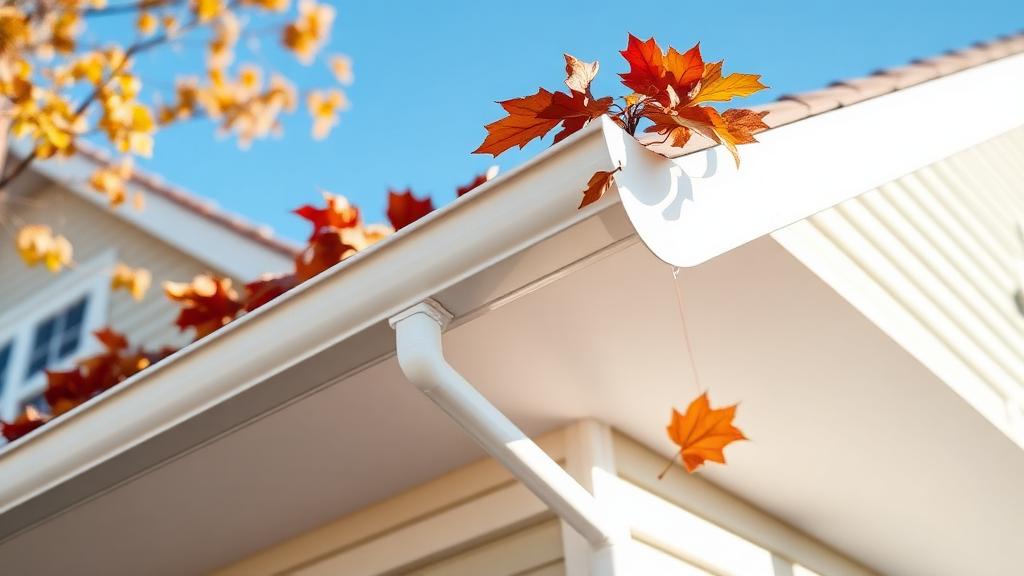
Roof gutters might seem like a simple, almost forgettable part of your home, but they play a critical role in protecting your entire property from water damage. Without a properly functioning gutter system, rainwater can wreak havoc on your foundation, siding, landscaping, and even the interior of your home. This guide explains exactly why gutters are necessary, how they work, and what happens when they fail.
What Do Roof Gutters Do?
At their most basic level, gutters collect rainwater that runs off your roof and channel it away from your home's foundation. This seemingly simple function prevents a cascade of water-related problems that can cost thousands of dollars to repair.
When rain falls on your roof, the water flows down the slope and off the edge. Without gutters, this water drops directly to the ground along your home's perimeter, creating a concentrated zone of water saturation right where your foundation meets the soil. Over time, this causes erosion, foundation damage, basement flooding, and structural issues.
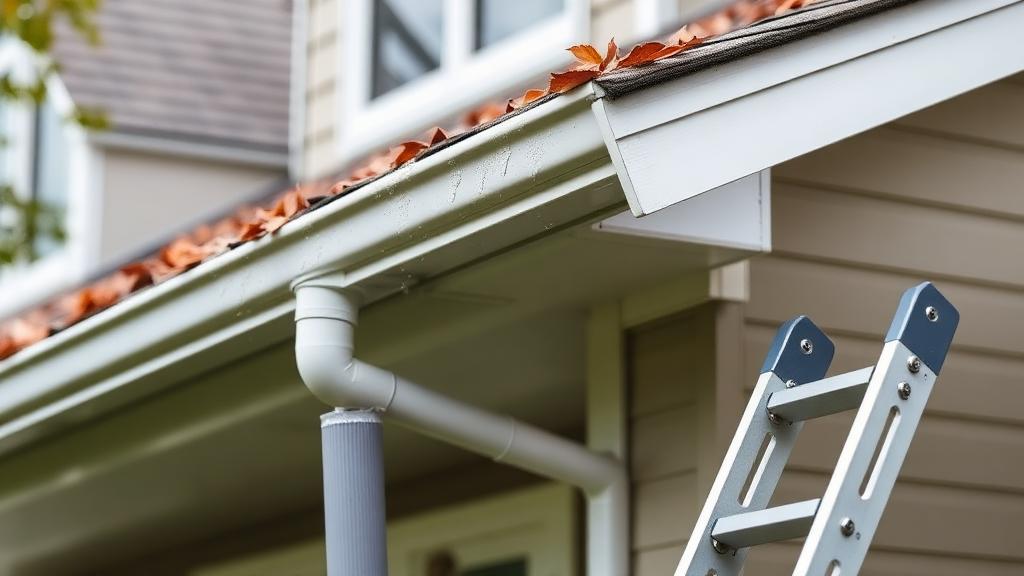
The basic gutter system consists of:: - Gutters (horizontal channels along the roof edge) - Downspouts (vertical pipes that carry water down from gutters) - Elbows and connectors (directional fittings) - End caps (close the ends of gutter runs) - Hangers and brackets (attach gutters to the fascia board) - Extensions or splash blocks (direct water away from the foundation)
A properly designed gutter system captures roof runoff, channels it through downspouts, and discharges it at least 4-6 feet away from your foundation. Some systems connect to underground drainage pipes that carry water even further away.
The 7 Critical Reasons Gutters Are Necessary
1. Foundation Protection
Your home's foundation is its most critical structural element, and water is its greatest enemy. Without gutters, concentrated water runoff saturates the soil around your foundation, leading to:
Soil Erosion:: Water cascading off the roof edge erodes soil along the foundation, eventually undermining the foundation's support. This erosion can expose foundation walls and create channels where water flows directly against the concrete or block.
Hydrostatic Pressure:: Saturated soil exerts tremendous pressure against foundation walls. This hydrostatic pressure can cause cracks, bowing, and eventual failure of foundation walls. Repairing foundation damage typically costs $5,000 to $15,000 or more.
Settlement:: Uneven soil moisture levels around the foundation can cause differential settlement, where one section of the foundation sinks more than another. This leads to cracked walls, doors and windows that won't close properly, and structural instability.
Basement Flooding:: Excess water around the foundation finds its way inside through cracks, joints, and porous concrete. Basement flooding causes damage to finished spaces, stored belongings, and creates conditions for mold growth.
2. Preventing Soil Erosion and Landscaping Damage
Without gutters to control water flow, the force of water falling from your roof creates trenches and washouts in your landscaping:
- Flower beds along the house get destroyed by concentrated water flow
- Mulch and topsoil wash away, exposing plant roots
- Walkways and patios become undermined and uneven
- Retaining walls can fail due to excess water pressure
- Grass and sod along the drip line gets killed by oversaturation
The cost of constantly repairing and replanting damaged landscaping adds up quickly and can be entirely prevented by a functioning gutter system.
3. Protecting Siding and Exterior Walls
When water pours directly off the roof edge, it splashes mud and debris onto your home's siding. Over time, this causes:
Staining and Discoloration:: Mud splashback creates a permanent stain line along the bottom of your siding. This is particularly noticeable on light-colored exteriors.
Material Deterioration:: Constant water exposure accelerates the deterioration of siding materials. Wood siding rots, vinyl siding can crack or warp, and even brick and stone mortar joints can deteriorate from excess moisture.
Paint Failure:: Exterior paint peels and blisters when constantly exposed to splashing water. More frequent repainting becomes necessary, adding to maintenance costs.
4. Preventing Water Intrusion and Interior Damage
Gutters don't just protect the outside of your home — they prevent water from getting inside:
Roof Edge Damage:: Without gutters, water can back up under the roof edge during heavy rains, saturating the fascia board and soffit. This leads to rot, which can spread to rafters and other structural components.
Wall Leaks:: Water running down exterior walls can find entry points through windows, doors, electrical penetrations, and siding joints. Once inside the wall cavity, this water causes mold growth, insulation damage, and structural decay. Understanding how insurance covers roof leaks is important for protecting yourself financially.
Ceiling and Attic Damage:: In severe cases, water intrusion from failed or missing gutters can cause ceiling stains, drywall damage, and attic mold growth.
5. Preventing Ice Dams in Cold Climates
In cold weather states like Minnesota, Michigan, and Massachusetts, gutters play a role in ice dam management:
When gutters are functioning properly, they help carry snowmelt away from the roof edge. While gutters alone don't prevent ice dams (proper attic insulation and ventilation are more important), they are part of the overall water management system.
Heated gutter systems can be installed in particularly problematic areas, using electric cables to keep water flowing through gutters and downspouts during freezing conditions.
6. Protecting Doors and Entryways
If you've ever stepped outside during a rainstorm to a waterfall cascading off the roof right in front of your door, you understand this benefit. Gutters capture that water and redirect it, keeping your entries accessible and preventing water from pouring into your home when doors are opened.
7. Preserving Your Roof's Lifespan
While gutters primarily protect what's below the roof, they also contribute to roof longevity:
Reduced Ice Dam Risk:: By managing water flow, gutters help reduce the conditions that create ice dams, which can damage shingles, underlayment, and roof decking.
Fascia Protection:: Gutters protect the fascia board from constant water exposure. A rotting fascia can lead to sagging gutters, creating a cycle of damage.
Edge Protection:: Drip edge flashings work in conjunction with gutters to protect the vulnerable edge of the roof from water damage.
Types of Gutters
Several gutter types are available, each with advantages and disadvantages:
K-Style Gutters The most popular gutter style in the United States, K-style gutters have a decorative profile that resembles crown molding. They're available in 5-inch and 6-inch widths and handle moderate to heavy rainfall effectively.
Half-Round Gutters These semicircular gutters are common on older and historic homes. They have a smooth interior that reduces debris accumulation but handle less water volume than K-style gutters of the same width.
Box Gutters Built into the roof structure rather than attached to the fascia, box gutters are common on commercial buildings and some older residential structures. They handle high water volumes but are more expensive to install and maintain.
Seamless Gutters Seamless gutters are custom-fabricated on-site from a continuous piece of metal, eliminating seams where leaks commonly develop. They're the preferred choice for most new installations due to their durability and clean appearance.
Gutter Materials
Aluminum:: The most popular gutter material, aluminum is lightweight, rust-resistant, affordable, and available in numerous colors. Most residential gutters are aluminum. Expect 20-30 years of service life.
Copper:: Premium and beautiful, copper gutters develop a distinctive patina over time. They're extremely durable (50+ years) but significantly more expensive — often 3-4 times the cost of aluminum.
Steel:: Stronger than aluminum, steel gutters resist denting from ladders and debris. However, they can rust over time if the protective coating is damaged. Galvanized steel is more affordable, while stainless steel offers superior longevity.
Vinyl:: The most affordable option, vinyl gutters are easy to install and won't rust or corrode. However, they can become brittle in cold weather, sag in heat, and typically last only 10-20 years.
Zinc:: Durable and low-maintenance, zinc gutters can last 50+ years. They develop a natural patina similar to copper. Zinc is a premium material with pricing comparable to copper.
Gutter Sizing and Capacity
Proper sizing is critical for gutter performance:
| Gutter Size | Best For | Approximate Capacity |
|---|---|---|
| 5-inch K-style | Most residential homes | 1.2 gallons per foot |
| 6-inch K-style | Larger roofs, heavy rainfall areas | 2.0 gallons per foot |
| 5-inch half-round | Small to medium homes | 0.7 gallons per foot |
| 6-inch half-round | Medium to large homes | 1.2 gallons per foot |
Factors affecting gutter size selection include roof area, roof pitch, local rainfall intensity, and the number of downspouts.
Gutter Maintenance
Gutters require regular maintenance to function properly:
Clean Twice a Year:: Remove leaves, twigs, and debris from gutters at least twice a year — in late spring and late fall. Homes surrounded by trees may need more frequent cleaning.
Check for Damage:: Inspect gutters for cracks, holes, rust, sagging, and loose connections. Address problems promptly to prevent water damage.
Ensure Proper Slope:: Gutters should slope toward downspouts at approximately 1/4 inch per 10 feet. Over time, hangers can loosen, causing sections to sag and impeding water flow.
Verify Downspout Function:: Make sure downspouts are clear and directing water at least 4-6 feet away from the foundation. Consider adding underground drain pipes or rain barrel systems.
Consider Gutter Guards:: Gutter guards or leaf screens can significantly reduce cleaning frequency. While they add upfront cost ($7-$30 per linear foot installed), they reduce maintenance labor and help prevent clogs.
Cost of Gutter Installation
Gutter installation costs vary based on material, home size, and complexity:
| Material | Cost Per Linear Foot (Installed) |
|---|---|
| Vinyl | $3 - $6 |
| Aluminum (seamless) | $6 - $12 |
| Steel | $8 - $15 |
| Copper | $25 - $50+ |
| Zinc | $20 - $40 |
For a typical home with 150-200 linear feet of gutter, total installation costs range from $1,000 to $2,500 for aluminum systems. This investment pales in comparison to the foundation, landscaping, and structural repairs that gutters prevent.
Signs Your Gutters Need Attention
Watch for these warning signs that your gutters aren't performing properly:
- Water overflowing during rain (indicates clogs or insufficient capacity)
- Gutters pulling away from the fascia
- Visible rust, cracks, or holes
- Pooling water around the foundation
- Basement moisture or flooding
- Peeling paint on the fascia or soffit
- Staining or erosion at the drip line
- Sagging gutter sections
- Mold or mildew on exterior walls near gutter level
Can You Have a Home Without Gutters?
While some homes in arid climates can function without gutters, most residential properties need them. Homes without gutters that may be acceptable include those with very wide roof overhangs (3+ feet), properties with excellent natural grading away from the foundation, homes in desert climates with minimal rainfall, and structures built on slab foundations with specific drainage designs.
However, even in these situations, gutters provide additional protection and are generally recommended by roofing professionals and home inspectors.
Conclusion
Roof gutters are one of the most important protective systems on your home. They prevent foundation damage, protect your landscaping, preserve your siding, and help keep water out of your interior spaces. The relatively modest cost of gutter installation and maintenance provides enormous returns in prevented damage and extended home lifespan.
If your gutters are damaged, missing, or underperforming, don't wait for water damage to motivate action. Find a qualified contractor to assess your gutter system and ensure your home is properly protected. Regular maintenance and timely repairs will keep your gutters working effectively for decades.