Does Homeowners Insurance Cover Roof Leaks? Complete Coverage Guide (2026)
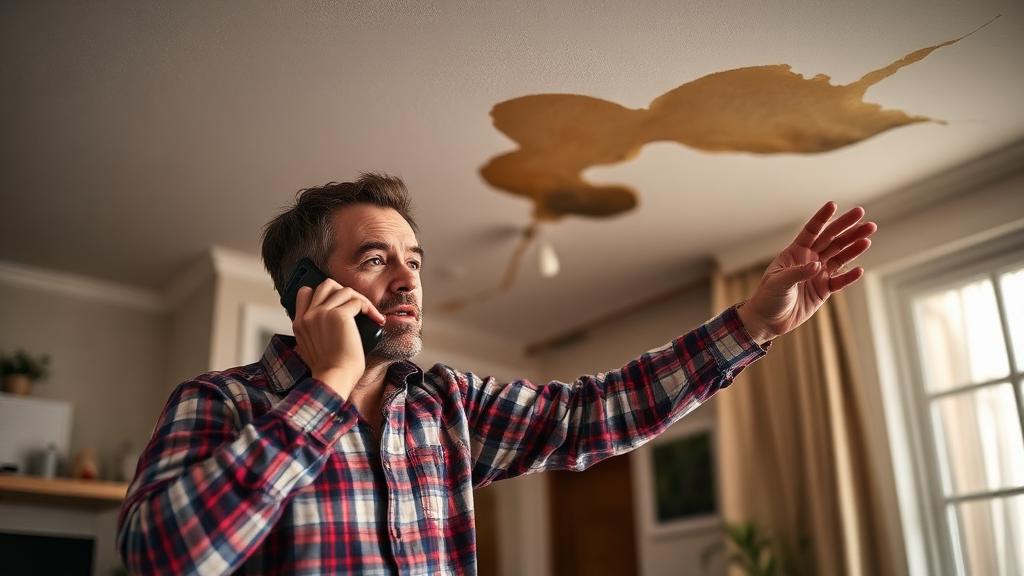
A roof leak is one of the most stressful situations a homeowner can face. Beyond the immediate damage, there's the critical question: will your homeowners insurance cover the cost of repairs? The answer, like most insurance questions, is "it depends." This comprehensive guide explains exactly when homeowners insurance covers roof leaks, when it doesn't, and how to navigate the claims process successfully.
The Short Answer: It Depends on the Cause
Homeowners insurance generally covers roof leaks caused by sudden, accidental events — known as "covered perils." It typically does not cover leaks caused by normal wear and tear, lack of maintenance, or gradual deterioration. The cause of the leak, not just the leak itself, determines whether your claim will be approved.
Generally Covered:: - Storm damage (wind, hail, lightning, tornadoes) - Falling objects (trees, branches, debris) - Weight of ice, snow, or sleet - Fire and smoke damage - Vandalism - Certain types of water damage from sudden events
Generally Not Covered:: - Normal wear and tear - Gradual deterioration or aging - Poor maintenance or neglect - Manufacturer defects (covered by warranty instead) - Flood damage (requires separate flood insurance) - Earthquake damage (requires separate earthquake insurance) - Pest or animal damage (with some exceptions)
Understanding Your Policy: Covered Perils
Most homeowners insurance policies are either "named perils" or "open perils" (also called "all risk") policies:
Named Perils Policy This type of policy only covers the specific perils listed in the policy. If the cause of your roof leak isn't on the list, it's not covered. Common named perils include fire, lightning, windstorm, hail, explosions, and vandalism.
Open Perils (All Risk) Policy This broader coverage covers any cause of loss except those specifically excluded. Open perils policies provide more comprehensive coverage but cost more. Even with open perils coverage, wear and tear and maintenance-related damage are always excluded.
When Insurance Covers Roof Leaks: Specific Scenarios
Wind Damage If a windstorm damages your shingles, flashing, or other roofing components, resulting in a leak, your homeowners insurance should cover both the roof repair and any resulting interior damage. Wind damage is one of the most common covered causes of roof leaks.
Documentation tip:: After a windstorm, photograph any visible damage from the ground. Note the date and time of the storm, as your insurer will verify weather conditions for that date.
Hail Damage Hail can crack, dent, or dislodge roofing materials, leading to leaks. Hail damage is a covered peril under virtually all homeowners policies. However, determining whether damage is from a recent hail event or pre-existing conditions can be contentious.
States like Texas, Colorado, and Oklahoma see frequent hail claims. Some insurers in these states have implemented specific hail deductibles or restrictions.
Fallen Trees and Debris If a tree or branch falls on your roof and causes a leak, your homeowners insurance typically covers the damage. This applies whether the tree came from your property or a neighbor's property. Coverage usually includes the cost of tree removal as well.
Ice Dam Damage In cold weather states like Minnesota and Michigan, ice dams can cause water to back up under shingles and leak into your home. Most homeowners policies cover damage caused by the weight of ice and snow. However, if the ice dam formed due to poor insulation or ventilation — a maintenance issue — the insurer may deny the claim.
Fire and Lightning If fire or lightning damages your roof, causing leaks or requiring replacement, this is a covered peril. Lightning strikes can crack shingles, damage flashings, and even cause fires that destroy roofing materials.
When Insurance Doesn't Cover Roof Leaks
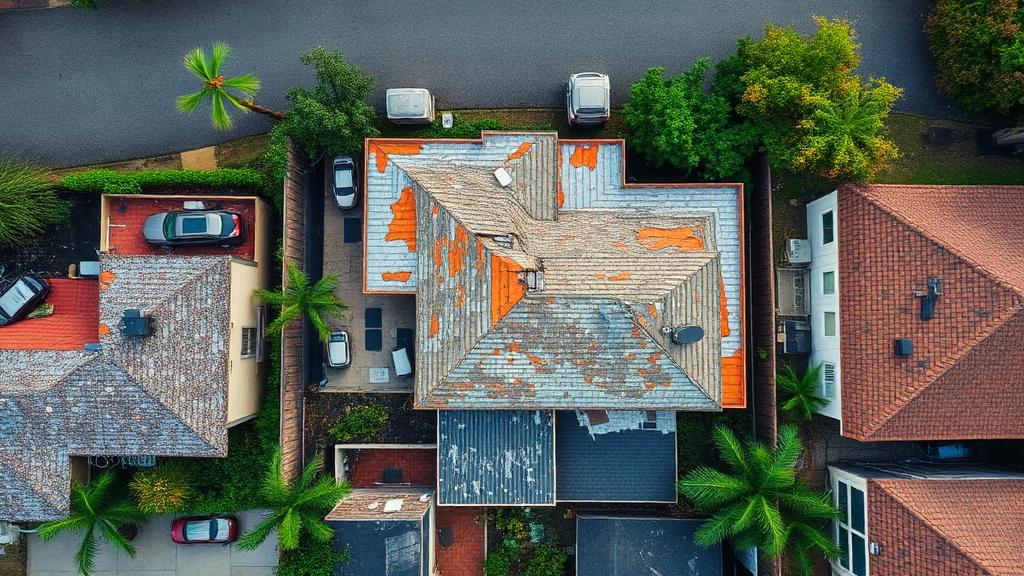
Wear and Tear This is the most common reason roof leak claims are denied. All roofing materials have a finite lifespan. Asphalt shingles last 20-30 years, metal roofs last 40-70 years, and other materials fall in between. As your roof ages, it naturally deteriorates — shingles curl, flashings corrode, sealants dry out, and underlayment breaks down. Leaks resulting from this natural aging process are not covered.
Lack of Maintenance If your roof leaks because you failed to maintain it properly, your insurer will deny the claim. Examples include clogged gutters causing water backup, unrepaired minor damage that worsened over time, debris accumulation leading to deterioration, and ignored warning signs like missing shingles or deteriorating flashing.
Pre-Existing Damage If your roof was already damaged before a storm event, the insurer may deny claims for that pre-existing damage. For instance, if shingles were already lifting due to age and a storm caused a few more to blow off, the insurer may only cover the storm-related damage, not the pre-existing issues.
Gradual Leaks A slow leak that develops over time due to aging sealant, deteriorating flashing, or gradual shingle failure is considered maintenance-related and isn't covered. If you notice water stains on your ceiling that have been growing for months, this suggests a gradual leak rather than a sudden event.
Cosmetic Damage Some policies exclude coverage for cosmetic damage — damage that affects appearance but doesn't compromise the roof's function. For example, hail dimples on metal roofing that don't cause leaks may not be covered under policies with cosmetic damage exclusions.
How to File a Roof Leak Insurance Claim
If you believe your roof leak is caused by a covered peril, follow these steps:
Step 1: Mitigate Further Damage Your policy requires you to take reasonable steps to prevent additional damage. This means: - Place buckets under active leaks - Cover damaged areas with tarps - Move belongings away from water - Document your mitigation efforts with photos
Step 2: Document Everything Take extensive photos and videos of: - The damage to your roof (from the ground if climbing isn't safe) - Interior water damage (stains, dripping, wet areas) - Damaged personal property - The general condition of your roof (to show it was maintained)
Step 3: Contact Your Insurance Company Report the claim as soon as possible. Most policies require "prompt" reporting, though specific timeframes vary. When you call, have your policy number ready and provide a clear description of the damage and its cause.
Step 4: Get a Professional Inspection Have a licensed roofing contractor inspect your roof and provide a detailed report. This independent assessment is valuable evidence for your claim. The contractor can identify whether the damage is storm-related, age-related, or a combination.
Step 5: Meet with the Adjuster Your insurance company will send an adjuster to inspect the damage. Be present during this inspection if possible. Having your contractor's report available for comparison is helpful.
Step 6: Review the Settlement Offer Review the adjuster's report and settlement offer carefully. Compare it against your contractor's estimate. If there's a significant discrepancy, you can negotiate or request a re-inspection.
Actual Cash Value vs. Replacement Cost
Your policy's valuation method significantly affects your payout:
Replacement Cost Value (RCV):: Pays the full cost to repair or replace your roof with similar materials, without deducting for depreciation. This is the better coverage and typically costs more in premiums.
Actual Cash Value (ACV):: Pays the replacement cost minus depreciation. For an older roof, depreciation can be substantial. A 15-year-old roof on a 25-year shingle might only receive 40% of the replacement cost under an ACV policy.
Example:: Full replacement cost: $12,000 Roof age: 15 years on 25-year shingles Depreciation: 60% (15/25 years) Deductible: $1,000
- RCV payout: $12,000 - $1,000 deductible = $11,000
- ACV payout: $12,000 × 40% remaining value = $4,800 - $1,000 deductible = $3,800
The difference is dramatic, which is why RCV policies are strongly recommended for homeowners.
Tips to Maximize Your Claim
- Maintain Your Roof: Regular maintenance and inspections not only prevent problems but also demonstrate to your insurer that you've been a responsible homeowner.
- Keep Records: Save receipts for all roof maintenance, repairs, and inspections. These prove that you've maintained your roof properly.
- Know Your Policy: Read your policy before you need to file a claim. Understand your deductible, coverage type (RCV vs. ACV), and any exclusions.
- File Promptly: Report damage as soon as you discover it. Delays can raise suspicion and may violate policy requirements.
- Get Multiple Estimates: Having estimates from two or three qualified contractors strengthens your position if the insurance adjuster's estimate seems low.
- Consider a Public Adjuster: For complex or high-value claims, a public adjuster works on your behalf to maximize your settlement. They typically charge 10-15% of the settlement amount.
Conclusion
Homeowners insurance covers roof leaks caused by sudden, covered events like storms, hail, and fallen trees. It does not cover leaks from wear and tear, poor maintenance, or gradual deterioration. Understanding this distinction — and maintaining your roof properly — is the key to ensuring you have coverage when you need it most.
If you're dealing with a roof leak, take immediate steps to mitigate damage, document everything, and contact your insurer promptly. Working with a licensed roofing contractor who has experience with insurance claims can make the process smoother and help ensure you receive fair compensation for covered damage.
Find experienced roofing professionals who can help you navigate insurance claims in your area.