Complete Guide to Roof Replacement in Texas: Costs, Timeline, and Process
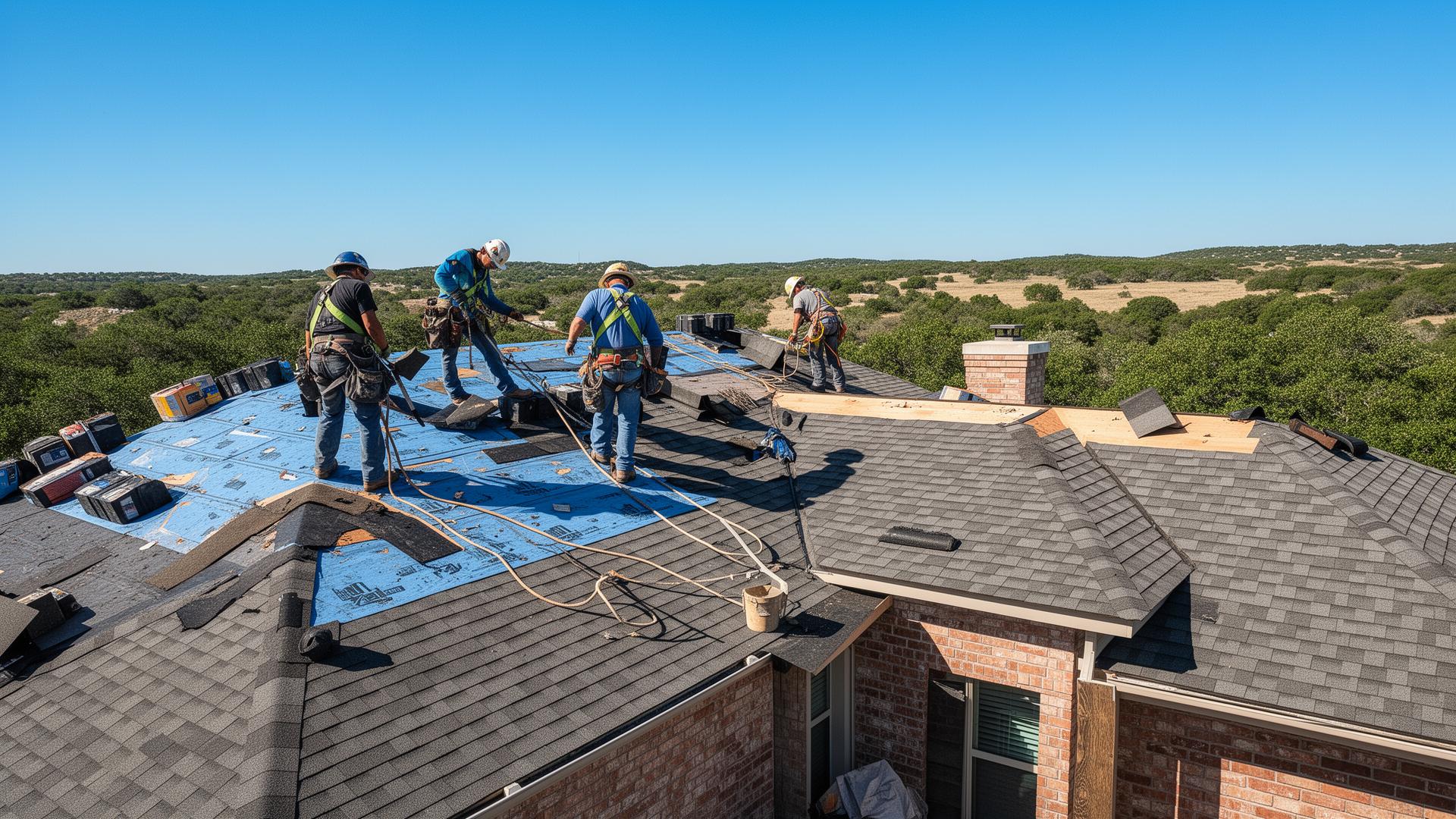
Replacing a roof in Texas involves unique considerations shaped by the states climate, regulations, and market conditions. From scorching summers in South Texas to hail-prone North Texas, your roof replacement decisions should reflect local realities. This comprehensive guide walks you through every aspect of the roof replacement process, from initial assessment through project completion, with specific attention to Texas conditions.
When Does a Texas Roof Need Replacement?
Understanding when replacement is necessary helps you plan appropriately and avoid premature or delayed action.
Age-Based Guidelines:
Roof lifespan varies significantly based on material and Texas climate conditions:
| Roofing Material | Typical Texas Lifespan | Factors Affecting Life |
|---|---|---|
| 3-Tab Asphalt | 12-18 years | UV exposure, storm damage |
| Architectural Shingles | 18-25 years | Quality tier, ventilation |
| Metal Roofing | 40-70 years | Coating quality, installation |
| Clay Tile | 50-100 years | Installation quality, impacts |
| Concrete Tile | 40-75 years | UV resistance, weight |
| Wood Shakes | 15-25 years | Moisture, pests, fire risk |
Texas intense UV exposure and extreme heat generally reduce lifespan compared to northern climates. Poor ventilation accelerates aging significantly.
Signs Indicating Replacement Is Needed:
Visible Exterior Signs:: - Widespread granule loss creating bald spots - Multiple cracked, curled, or missing shingles - Visible daylight through roof decking - Sagging areas in the roof line - Extensive moss, algae, or biological growth - Damaged or deteriorated flashing
Interior Warning Signs:: - Water stains on ceilings or walls - Active leaks during rain - Mold or mildew odors - Peeling paint near rooflines - Higher than normal energy bills
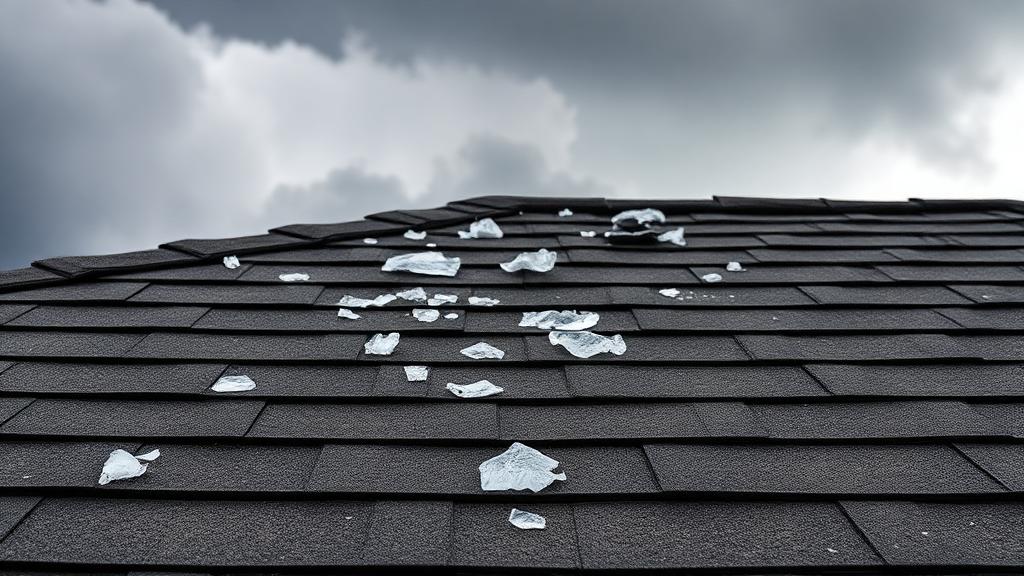
Storm Damage Indicators:: - Hail dents in soft metals (gutters, vents) - Pattern of damaged shingles - New leaks following storms - Debris impact marks - Insurance adjuster recommendation for replacement
Texas Roof Replacement Costs
Understanding cost factors helps you budget appropriately and evaluate contractor estimates.
Average Costs by Material (2,000 sq ft roof):
| Material Type | Material Cost | Labor Cost | Total Installed |
|---|---|---|---|
| 3-Tab Asphalt | 2,000-3,500 | 4,000-6,000 | 6,000-9,500 |
| Architectural Shingles | 3,000-5,500 | 4,500-7,000 | 7,500-12,500 |
| Metal (Standing Seam) | 8,000-14,000 | 6,000-10,000 | 14,000-24,000 |
| Clay Tile | 10,000-20,000 | 8,000-15,000 | 18,000-35,000 |
| Concrete Tile | 6,000-12,000 | 6,000-12,000 | 12,000-24,000 |
| Synthetic | 4,000-8,000 | 5,000-8,000 | 9,000-16,000 |
Factors Affecting Texas Roofing Costs:
Geographic Location:: Costs vary significantly across Texas metros: - Houston: Average costs, competitive market - Dallas-Fort Worth: Slightly higher labor costs, high demand after storms - Austin: Higher costs due to rapid growth and labor shortage - San Antonio: Moderate costs, stable market - Rural areas: Lower labor but potentially higher material transport costs
Roof Complexity:: - Simple gable roof: Baseline pricing - Hip roof: 10-15% premium for additional cuts and waste - Multiple levels: 15-25% premium for access and setup - Steep pitch: 15-35% premium for safety equipment and slower work - Many penetrations: Additional cost for flashing around vents, chimneys, skylights
Deck Condition:: If rotted or damaged decking is discovered during tear-off: - Plywood replacement: 70-150 dollars per sheet installed - OSB replacement: 50-100 dollars per sheet installed - Average homes need 0-10 sheets replaced - Severe damage can add 2,000-5,000 dollars or more to project cost
Removal Requirements:: - Single layer tear-off: Standard pricing - Multiple layer removal: Add 1,000-3,000 dollars - Disposal and landfill fees: Included in most estimates but verify
Best Roofing Materials for Texas
Material selection should account for Texas specific climate challenges.
Asphalt Shingles:
The most popular choice in Texas, offering good value and performance:
Advantages:: - Most affordable option - Wide color and style selection - Easy availability and quick installation - Suitable for most Texas climates - Easy to repair if damaged
Disadvantages:: - Shorter lifespan in intense Texas sun - Vulnerable to hail damage - Less energy efficient than alternatives
Best For:: Budget-conscious homeowners in areas with moderate storm activity.
Impact-Resistant Shingles:
Specially engineered asphalt shingles rated for hail resistance:
Advantages:: - Class 4 rating withstands 2-inch hail - Insurance discounts of 10-30% in many Texas areas - Similar installation to standard shingles - Wide availability
Disadvantages:: - 20-30% premium over standard shingles - Still susceptible to very large hail - Shorter life than metal in equivalent conditions
Best For:: North Texas homeowners in hail-prone areas who want to balance cost and protection.
Metal Roofing:
Increasingly popular in Texas for durability and energy efficiency:
Advantages:: - 40-70 year lifespan - Excellent hail and wind resistance - Superior energy efficiency with proper coatings - Low maintenance requirements - Fire resistance
Disadvantages:: - Higher initial cost - Requires specialized installation - Can dent from very large hail (though function remains) - Noise during rain (mitigated with proper installation)
Best For:: Homeowners planning long-term ownership who value durability and energy savings.
Tile Roofing (Clay and Concrete):
Common in South Texas and Mediterranean-style homes:
Advantages:: - Very long lifespan (50+ years) - Excellent in hot climates - Fire resistant - Distinctive aesthetic appeal - Low maintenance
Disadvantages:: - Heavy weight requiring structural verification - High initial cost - Fragile when walked on - Specialized installation required
Best For:: South Texas homeowners with appropriate architecture who value longevity and aesthetics.
The Texas Roof Replacement Process
Understanding each step helps you prepare and ensures the project proceeds smoothly.
Phase 1: Inspection and Assessment (1-2 weeks before project)
A thorough inspection determines the scope of work:
- Exterior evaluation of current roof condition
- Interior/attic inspection for hidden damage
- Structural assessment for any concerns
- Ventilation analysis for improvement opportunities
- Measurements for accurate material quantities
Phase 2: Contractor Selection (1-2 weeks)
Selecting the right contractor involves:
- Getting 3-5 detailed estimates
- Verifying insurance and credentials
- Checking references and reviews
- Reviewing contracts carefully
- Confirming timeline and availability
Phase 3: Material Selection and Ordering (1-2 weeks)
Work with your contractor to select: - Shingle or primary roofing material (brand, line, color) - Underlayment type - Ventilation components - Flashing specifications - Accessories (ridge cap, starter strips, etc.)
Allow adequate time for special orders, especially for tile or specialty products.
Phase 4: Permit Acquisition (3-10 days)
Your contractor should handle permits, which typically require: - Permit application submission - Documentation of scope and materials - Fee payment - Plan review (for complex projects)
Most straightforward replacements receive permits within 3-5 business days.
Phase 5: Project Execution (1-5 days depending on size)
Day 1: Setup and Tear-off - Crew arrives (typically 6-7 AM to avoid midday heat) - Property protection (tarps, boards protecting landscaping) - Old roofing material removal - Deck inspection and repairs - Delivery of materials if not pre-staged
Day 2-3: Installation - Underlayment installation - Drip edge and flashing installation - Primary roofing material installation - Ridge vent and cap installation - Final detail work around penetrations
Day 4-5 (if needed):: - Completion of complex projects - Final cleanup and debris removal - Initial inspection
Phase 6: Inspection and Closeout
- City inspection - Required in most Texas jurisdictions
- Contractor walkthrough - Review completed work with contractor
- Documentation - Receive warranty information, permit copies, material documentation
- Final payment - After satisfactory completion
Texas Seasonal Considerations
Timing your roof replacement strategically improves outcomes and potentially reduces costs.
Best Seasons for Texas Roof Replacement:
Spring (March-May):: - Moderate temperatures ideal for shingle sealing - Before peak storm season in some areas - Contractors moderately busy but available - Material availability typically good
Fall (September-November):: - Excellent working temperatures - After summer heat stress - Before winter holiday slowdowns - Good material availability
Summer Challenges (June-August):: - Extreme heat limits work hours (crews often start at 6 AM) - Shingles seal quickly but material handling requires care - Afternoon thunderstorms can delay projects - High demand keeps contractors busy
Winter Considerations (December-February):: - Mild Texas winters often allow work - Some adhesive products require minimum temperatures - Potentially lower contractor availability after holiday rush - Prices may be slightly negotiable in slower periods
Post-Storm Timing:
After major storms, contractor demand spikes dramatically. Consider: - Prices may increase 15-30% immediately following major storms - Wait times extend from days to weeks or months - Quality concerns rise as inexperienced contractors enter market - If damage is not urgent, waiting 2-3 months often brings better options
Insurance and Financing
Understanding payment options helps make roof replacement accessible.
Insurance Coverage:
If damage caused the replacement need:
- File promptly - Report damage within 30 days in most cases
- Document thoroughly - Photos, receipts, contractor estimates
- Get independent estimates - Compare to insurance adjuster assessment
- Understand your policy - Know coverage limits, deductibles, and depreciation terms
- Supplement if needed - Request additional payment for missed items
For more details, see our insurance claims guide.
Financing Options:
For non-insurance replacements:
- Home equity loans - Lower interest rates, tax-deductible interest
- Home equity lines of credit (HELOC) - Flexible borrowing
- Personal loans - Quick funding but higher rates
- Contractor financing - Convenient but compare terms carefully
- Credit cards - Only for small portions unless 0% promotional rate
- FHA Title I loans - Government-backed home improvement loans
Factors Affecting Financing Choice:
| Option | Typical Rate | Best For |
|---|---|---|
| Home Equity | 6-9% | Larger projects, homeowners with equity |
| HELOC | 7-10% | Flexible needs, staged payments |
| Personal Loan | 8-18% | Quick funding, no home equity |
| Contractor | 9-15% | Convenience, bundled with project |
Selecting Materials for Your Region
Different Texas regions have different optimal material choices.
Gulf Coast (Houston, Galveston):
Priority concerns: Hurricane resistance, moisture management, salt air corrosion
Recommended:: - Impact-resistant shingles with high wind ratings - Metal roofing with marine-grade coatings - Proper underlayment for water protection - Enhanced flashing and sealing
North Texas (Dallas-Fort Worth):
Priority concerns: Hail resistance, temperature extremes
Recommended:: - Class 4 impact-resistant shingles - Standing seam metal - Products rated for temperature cycling - Adequate ventilation for thermal stress management
Central Texas (Austin, San Antonio):
Priority concerns: Heat management, energy efficiency
Recommended:: - Cool roof materials with high reflectance - Clay or concrete tile where appropriate - Metal with energy-efficient coatings - Enhanced ventilation systems
South Texas (Rio Grande Valley):
Priority concerns: Extreme heat, occasional hurricanes
Recommended:: - Clay or concrete tile (traditional and effective) - Light-colored materials - Hurricane-resistant installation methods - Maximum ventilation capacity
West Texas (El Paso, Midland):
Priority concerns: Intense UV, temperature swings, wind
Recommended:: - Metal roofing with UV-resistant coatings - Materials rated for thermal cycling - Secure fastening for wind resistance - Desert-appropriate colors and materials
Contractor Red Flags Specific to Replacement Projects
Large replacement projects attract both qualified contractors and problematic ones.
Warning Signs:
- Unusually low bids - May indicate inferior materials, unlicensed labor, or hidden costs
- Large deposit requests - Limit deposits to 10-15% of project cost
- No written contract - Never proceed without detailed written agreement
- Pushing specific insurance company interactions - Contractor should support, not control your claim
- Cannot explain material choices - Quality contractors know products well
- Vague timelines - Legitimate contractors provide specific schedules
- No local references - Established contractors have many satisfied local customers
- Unwillingness to pull permits - Always insist on permitted work
Conclusion
Roof replacement is a significant investment that protects everything beneath it for decades. In Texas, where climate conditions challenge roofing systems uniquely, making informed decisions about timing, materials, and contractors pays dividends throughout your roofs life.
Key takeaways for Texas homeowners: - Understand your specific regional climate challenges - Budget appropriately for quality materials and installation - Select materials suited to your local conditions - Vet contractors thoroughly given lack of statewide licensing - Time your project strategically when possible - Document everything for warranty and insurance purposes
Ready to begin your roof replacement project? Connect with qualified Texas roofing contractors in Houston, Dallas, Austin, San Antonio, and communities across the Lone Star State.