DIY vs. Professional Roof Maintenance: When to Call the Experts
Every homeowner faces the question: should I tackle this roof maintenance task myself, or call a professional? Making the right choice affects your safety, your wallet, and your roof's condition. This comprehensive guide helps you understand which tasks are appropriate for DIY and when professional expertise is worth the investment.
Understanding the Stakes
Before deciding on DIY vs. professional service, consider what's at risk:
Personal Safety:: Falls are the leading cause of construction-related fatalities. Roof work inherently involves height, sloped surfaces, and potential for serious injury.
Property Protection:: Improper roof work can cause more damage than it fixes. Water intrusion from failed repairs leads to mold, rot, and expensive remediation.
Financial Implications:: While DIY saves labor costs upfront, mistakes can be exponentially more expensive to correct. Consider both immediate and long-term costs.
Warranty Protection:: Many roofing material warranties require professional installation. DIY work may void coverage you're counting on.
Safe DIY Roof Maintenance Tasks
Some maintenance tasks are appropriate for homeowners with basic skills and proper precautions.
Ground-Level Tasks
These tasks involve no roof climbing and are generally safe for any homeowner:
Visual Inspections:: - Use binoculars to examine roof surface from ground - Note missing, damaged, or curling shingles - Observe gutter condition and attachment - Check for visible debris accumulation - Look for sagging or uneven roof lines
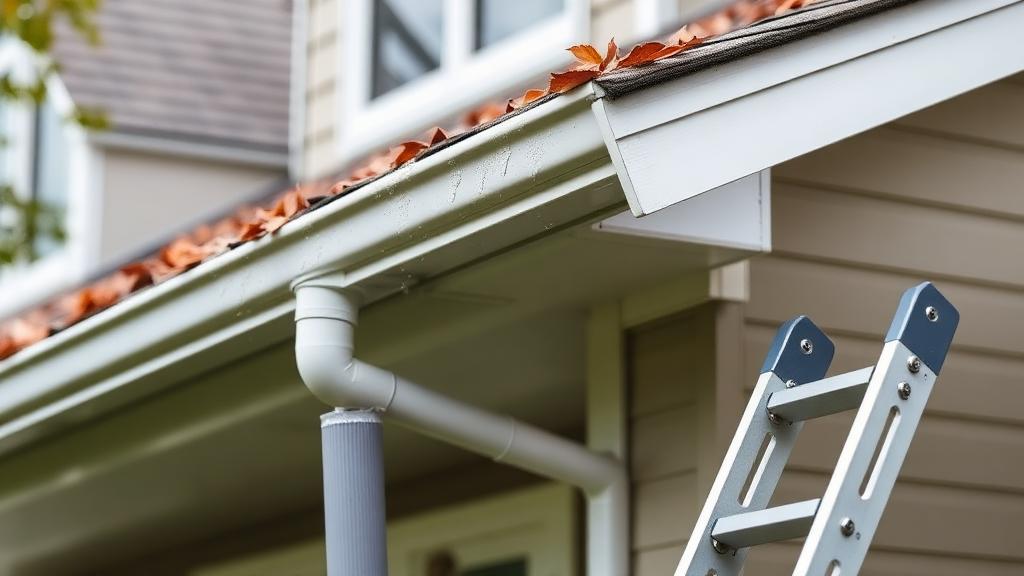
Gutter Cleaning (Single-Story):: For single-story homes with easy ladder access: - Use a sturdy ladder with stabilizers - Have a helper stabilize the ladder - Work during dry conditions - Keep three points of contact on ladder - Don't overreach—move the ladder instead
Debris Removal:: - Clear debris that's accessible from ladder - Use soft-bristle broom or leaf blower - Work from top down to avoid redistributing - Focus on valleys and areas around penetrations
Tree Trimming (Lower Branches):: - Trim accessible branches with hand tools - Stay well within your reach capability - Don't climb trees—use pole tools - Hire professionals for large or high branches
Interior Inspections
Attic inspections are valuable DIY tasks:
What to Check:: - Water stains on decking or rafters - Daylight visible through roof - Mold or mildew growth - Proper insulation coverage - Ventilation condition
Safety Precautions:: - Use sturdy footing on attic joists only - Bring adequate lighting - Watch for exposed nails and hazards - Use dust mask in dusty attics - Note concerns for professional follow-up
Basic Monitoring
Regular monitoring requires no special skills:
After Storms:: - Walk property perimeter looking for damage - Note any debris that landed on roof - Check gutters for displacement - Document findings with photos
Seasonal Checks:: - Monitor ice dam formation in winter - Note moss/algae development - Track debris accumulation - Observe gutter drainage during rain
When DIY Is Not Appropriate
Certain tasks should always be left to professionals due to safety, complexity, or warranty concerns.
Never DIY These Tasks
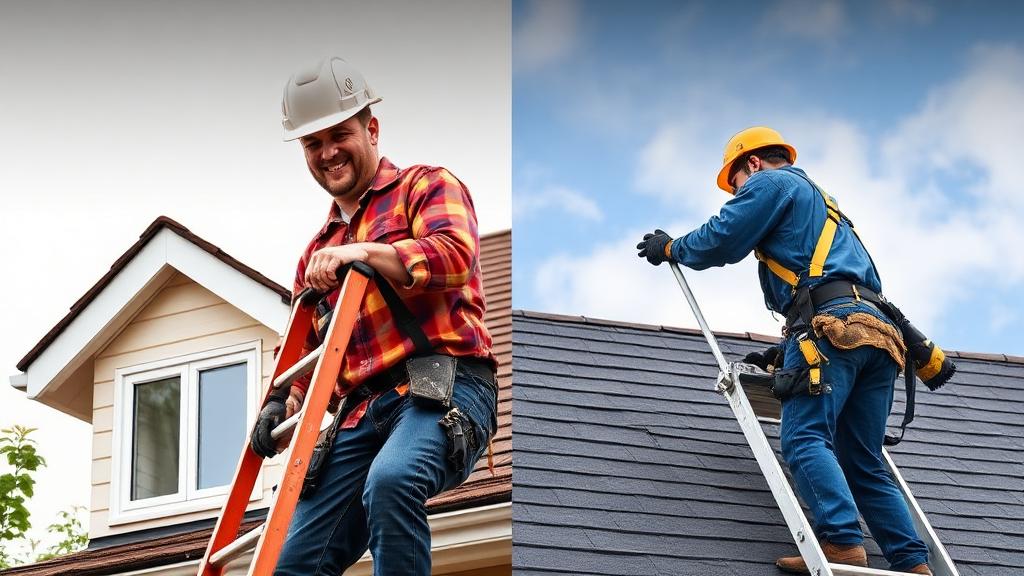
Walking on Roofs:: Unless you have proper safety equipment (harness, rope, anchors) and training, avoid walking on roofs. Risks include: - Slipping on slopes, debris, or moisture - Damaging shingles (especially in heat) - Missing hazards like weak spots - No fall protection if something goes wrong
Shingle Replacement:: Even "simple" shingle replacement involves: - Proper lifting and removing of overlapping shingles - Correct nail placement and patterns - Integration with existing shingles - Sealing to prevent water intrusion - Risk of causing more damage than you're fixing
Flashing Work:: Flashing repairs require: - Understanding of water management principles - Proper material selection and installation - Integration with surrounding components - Specialized tools and sealants - Experience identifying underlying issues
Structural Repairs:: Any work involving: - Sagging or damaged decking - Compromised rafters or trusses - Major leak damage - Load-bearing concerns
Chimney and Skylight Work:: These penetrations are complex: - Multiple flashing components - Critical waterproofing requirements - Specialty materials and techniques - High risk of leaks if done incorrectly
Factors That Increase Risk
Even potentially DIY tasks become professional-only when:
Height Factors:: - Multi-story homes - No safe ladder access - Roof higher than comfortable reach
Slope Factors:: - Steep pitch (6:12 or greater) - Multiple slope transitions - No flat areas for stable footing
Condition Factors:: - Wet or icy surfaces - Damaged or brittle shingles - Questionable structural integrity
Personal Factors:: - Fear of heights or balance concerns - Physical limitations - Lack of proper equipment - No helper available
Cost Comparison Analysis
Understanding true costs helps make informed decisions.
DIY Costs
Actual Expenses:: - Materials and supplies - Tool purchase or rental - Time invested (your time has value) - Permit fees if required
Hidden Costs:: - Medical bills if injured - Property damage from mistakes - Water damage from failed repairs - Professional correction of DIY errors - Voided warranties
Professional Costs
Service Costs Vary By:: - Geographic location - Scope of work - Contractor reputation and expertise - Timing (emergency vs. scheduled) - Material requirements
Typical Professional Service Costs:
| Service | Average Cost Range |
|---|---|
| Inspection | $150 - $400 |
| Gutter cleaning | $100 - $250 |
| Minor repairs | $200 - $500 |
| Shingle replacement (small area) | $300 - $700 |
| Flashing repair | $300 - $600 |
| Major repairs | $500 - $2,000+ |
Value Analysis
Professional Work Provides:: - Proper diagnosis of underlying issues - Correct repair techniques - Warranty on workmanship - Liability coverage - Time savings - Peace of mind
DIY Makes Sense When:: - Task is truly low-risk - You have appropriate skills - Proper equipment is available - Savings are significant relative to risk - You can safely accomplish the work
Finding Qualified Roofing Professionals
When you need professional help, choosing the right contractor matters.
Contractor Qualifications
Essential Requirements:: - Valid state licensing - General liability insurance ($1 million minimum) - Workers' compensation coverage - Local business presence - Manufacturer certifications for materials used
Positive Indicators:: - Established track record (5+ years) - Good reviews on multiple platforms - Professional communication - Detailed written estimates - Willingness to provide references
Red Flags:: - Door-to-door solicitation after storms - Pressure to sign immediately - Requests for large deposits upfront - Offers to waive insurance deductible - No local address or phone - Unwillingness to provide credentials
Getting Estimates
Best Practices:: - Get at least three written estimates - Ensure estimates are for identical work scope - Ask about materials, warranties, and timeline - Verify what's included and excluded - Don't automatically choose lowest price
Questions to Ask:: - Are you licensed and insured? - Who will actually perform the work? - What warranty do you provide? - What's the expected timeline? - How do you handle unexpected issues? - What's your payment schedule?
Building Contractor Relationships
Benefits of Ongoing Relationship:: - Priority scheduling for emergencies - Familiarity with your specific roof - Maintenance program options - Trusted advice when problems arise - Competitive pricing for repeat customers
Find qualified roofing contractors in your area and establish relationships before you need emergency service.
Creating Your Maintenance Strategy
Balance DIY and professional services for optimal roof care.
DIY Component
Monthly:: - Ground-level visual inspection - Interior ceiling checks - After-storm observations
Seasonally:: - Gutter cleaning (if safe access) - Debris monitoring and accessible removal - Attic inspections - Documentation and photos
Professional Component
Every 2-3 Years:: - Comprehensive professional inspection - Documentation for insurance purposes - Expert assessment of condition
As Needed:: - Repairs identified during inspections - Storm damage assessment and repair - Maintenance tasks beyond DIY scope
At End of Life:: - Replacement quotes and planning - Material selection guidance - Complete roof replacement
Hybrid Approach Benefits
This Strategy Provides:: - Cost savings on appropriate DIY tasks - Professional expertise for complex work - Early problem detection through regular monitoring - Proper repairs that last - Safety maintained throughout
Special Situations
Emergency Repairs
When Emergencies Occur:: - Document damage immediately - Take temporary protective measures if safe - Contact professionals for proper repair - Don't attempt permanent fixes in emergencies - Work with insurance as appropriate
DIY Emergency Limits:: - Placing buckets to catch water: appropriate - Temporary tarping (ground-level placement): maybe appropriate - Climbing on damaged roof: never appropriate
Major Projects
Always Hire Professionals For:: - Full roof replacement - Major repairs (large areas, structural) - Any work affecting warranties - Projects requiring permits - Insurance claim-related work
Maintenance Programs
Many roofing companies offer maintenance programs: - Annual or semi-annual inspections - Priority scheduling - Discounted repair rates - Documentation for insurance - Early problem detection
Consider these programs for peace of mind and professional oversight.
Conclusion
The decision between DIY and professional roof maintenance isn't always clear-cut, but following these guidelines keeps you safe while protecting your roof:
DIY is appropriate for ground-level observations, basic gutter maintenance on single-story homes, interior inspections, and monitoring tasks.
Call professionals for anything involving walking on the roof, actual repairs, complex maintenance, or any situation beyond your comfort level.
When in doubt, err on the side of caution. Your safety is worth more than any potential savings, and professional expertise often prevents costly mistakes that far exceed the service fee.
Build relationships with qualified contractors, maintain regular inspection schedules, and take pride in the maintenance tasks you can safely accomplish. This balanced approach protects both you and your roof for years to come.