Does Minnesota Require a Roof Permit? Complete MN Roofing Permit Guide (2026)
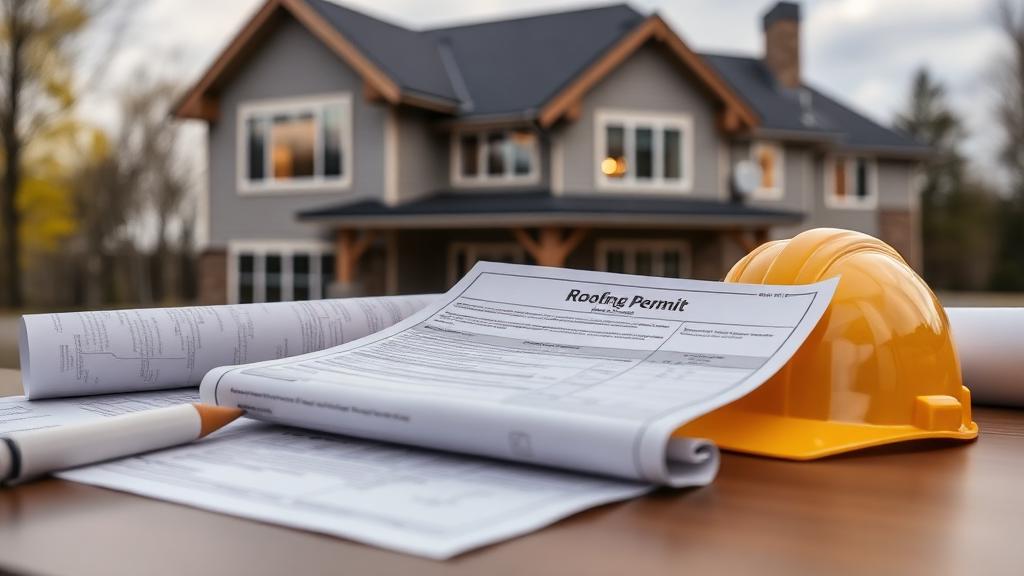
If you're planning a roofing project in Minnesota, one of the first questions you'll need to answer is whether you need a permit. The short answer is yes — Minnesota generally requires a building permit for most roofing work, including full replacements and significant repairs. However, the specifics vary by municipality, and understanding the nuances can save you time, money, and legal headaches. This comprehensive guide covers everything Minnesota homeowners need to know about roofing permits in 2026.
Does Minnesota Require a Roof Permit?
Yes, Minnesota requires a building permit for most roofing projects. Under the Minnesota State Building Code, any work that involves structural changes or significant repairs to your home requires a permit. Roofing falls under this umbrella because it directly affects the structural integrity and weatherproofing of your dwelling.
The Minnesota Department of Labor and Industry oversees the state building code, but permit enforcement is handled at the local level by city or county building departments. This means that while the state sets the baseline requirements, your specific city or township may have additional rules or slightly different procedures.
Key points about MN roofing permits:: - Full roof replacements always require a permit - Roof repairs covering more than a small area typically require a permit - Re-roofing (adding a new layer over existing shingles) usually requires a permit - Minor repairs like replacing a few shingles may not require a permit - New construction roofing always requires permits as part of the building permit
When Do You Need a Roofing Permit in Minnesota?
Understanding exactly when a permit is required can be confusing because the rules vary slightly from city to city. Here's a breakdown of common scenarios:
Situations That Require a Permit
Complete Roof Replacement:: Whether you're tearing off the old roof or layering new materials over existing ones, a full roof replacement requires a permit in virtually every Minnesota municipality. This includes cities like Minneapolis, St. Paul, Duluth, Rochester, and all suburban communities.
Structural Modifications:: If your roofing project involves any changes to the roof structure — such as adding a dormer, changing the roof pitch, installing a skylight, or modifying trusses or rafters — you'll definitely need a permit. These projects may also require engineering reviews and additional inspections.
Re-Roofing Over Existing Materials:: Minnesota building code generally allows a maximum of two layers of asphalt shingles. Adding a second layer requires a permit because the inspector needs to verify that the existing layer and roof structure can support the additional weight.
Large-Scale Repairs:: If you're repairing a significant section of your roof — typically more than 100 square feet, though this threshold varies by municipality — you'll likely need a permit.
Material Changes:: Switching from one roofing material to another (for example, from asphalt shingles to metal roofing) requires a permit because different materials have different weight, fire rating, and installation requirements.
Situations That May Not Require a Permit
Minor Repairs:: Replacing a few damaged or missing shingles, fixing small flashing issues, or sealing minor leaks may not require a permit in many Minnesota communities. However, this varies significantly by jurisdiction.
Gutter Work:: Installing or replacing gutters typically doesn't require a roofing permit, though some municipalities may have separate requirements.
Maintenance Activities:: Cleaning debris, removing moss, clearing ice dams, or applying roof coatings generally don't require permits.
When in doubt, always contact your local building department before starting any roofing work. Making a quick phone call can prevent significant problems down the road.
How to Get a Roofing Permit in Minnesota
The permit application process in Minnesota is relatively straightforward, though it varies by community. Here's the general process:
Step 1: Determine Your Local Building Department
Your permit application goes to the building department in the city or township where your property is located. Larger cities like Minneapolis and St. Paul have their own building inspection departments, while smaller communities may share services through county or regional building officials.
Step 2: Gather Required Information
Most Minnesota building departments require the following information for a roofing permit: - Property address and legal description - Homeowner name and contact information - Contractor information (name, license number, insurance details) - Description of the work to be performed - Type of roofing materials being installed - Number of existing layers (for re-roofing projects) - Estimated project value - Site plan or property survey (for some projects)
Step 3: Submit Your Application
Many Minnesota cities now offer online permit applications, making the process more convenient. Some still require in-person submissions. Typical processing times range from same-day approval for straightforward projects to several weeks for complex ones.
Step 4: Pay Permit Fees
Roofing permit fees in Minnesota vary by municipality and project size. Here are typical ranges:
| Municipality Type | Typical Fee Range |
|---|---|
| Small towns/rural areas | $50 - $150 |
| Suburban communities | $100 - $300 |
| Major cities (Minneapolis, St. Paul) | $150 - $500+ |
Fees are often calculated based on the total project value or the square footage of the roof. Some municipalities charge a flat fee for standard residential re-roofing.
Step 5: Schedule Inspections
Once your permit is approved, you'll need to schedule inspections at various stages of the project. For a typical roof replacement, inspections may include: - Pre-roofing inspection (after tear-off, before new materials are installed) - Final inspection (after all work is complete)
Your roofing contractor should be familiar with the local inspection schedule and coordinate with the building department.
Minnesota Roofing Code Requirements
Minnesota's building code includes specific requirements for roofing installations. Understanding these helps ensure your project passes inspection:
Ice and Water Shield Requirements
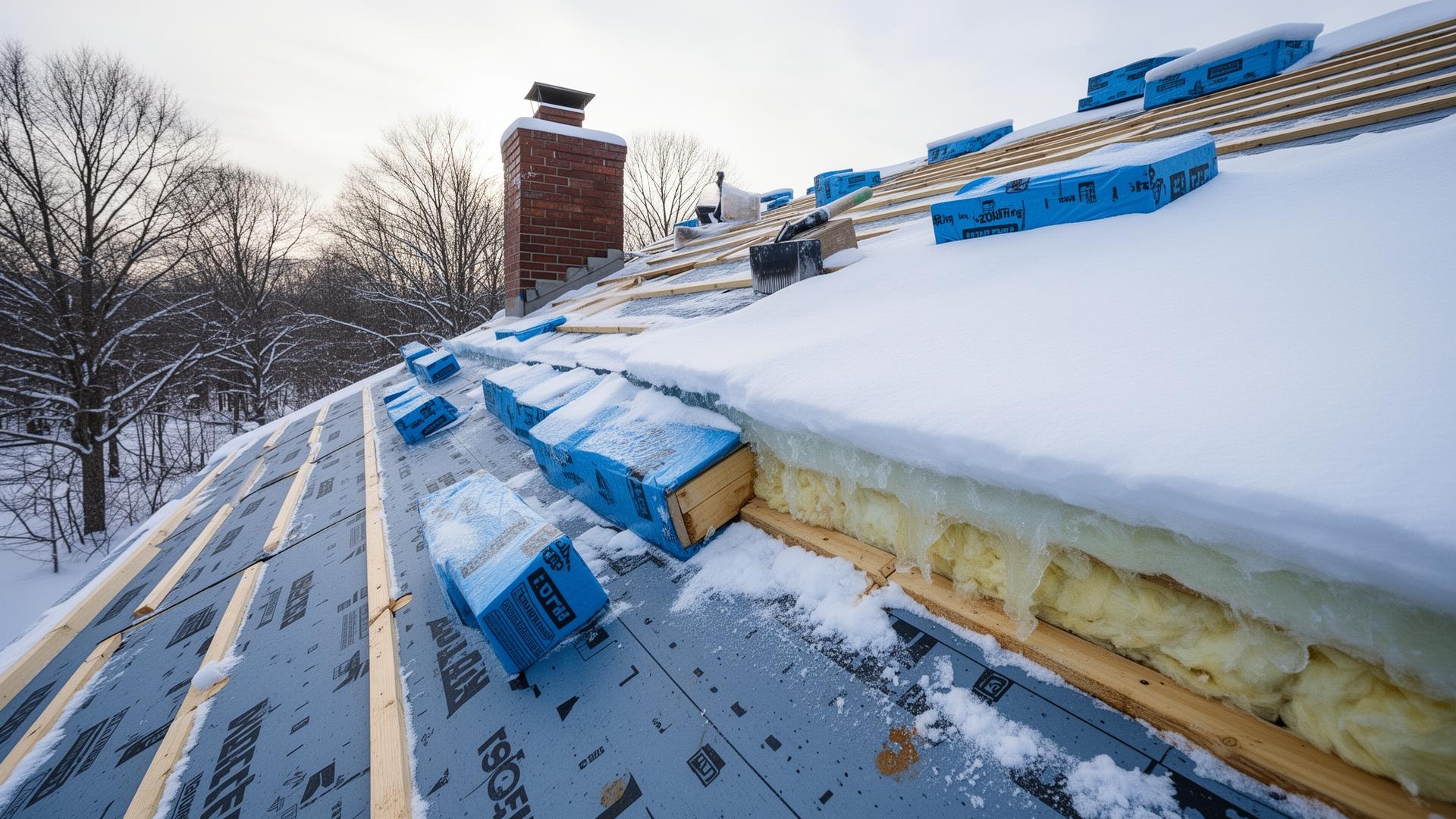
Minnesota's cold climate makes ice dam prevention critical. The state code requires ice and water shield (self-adhering membrane) to be installed along the eaves of the roof. The membrane must extend at least 24 inches past the interior wall line. In areas prone to severe ice damming, many contractors extend this coverage even further.
Ventilation Requirements
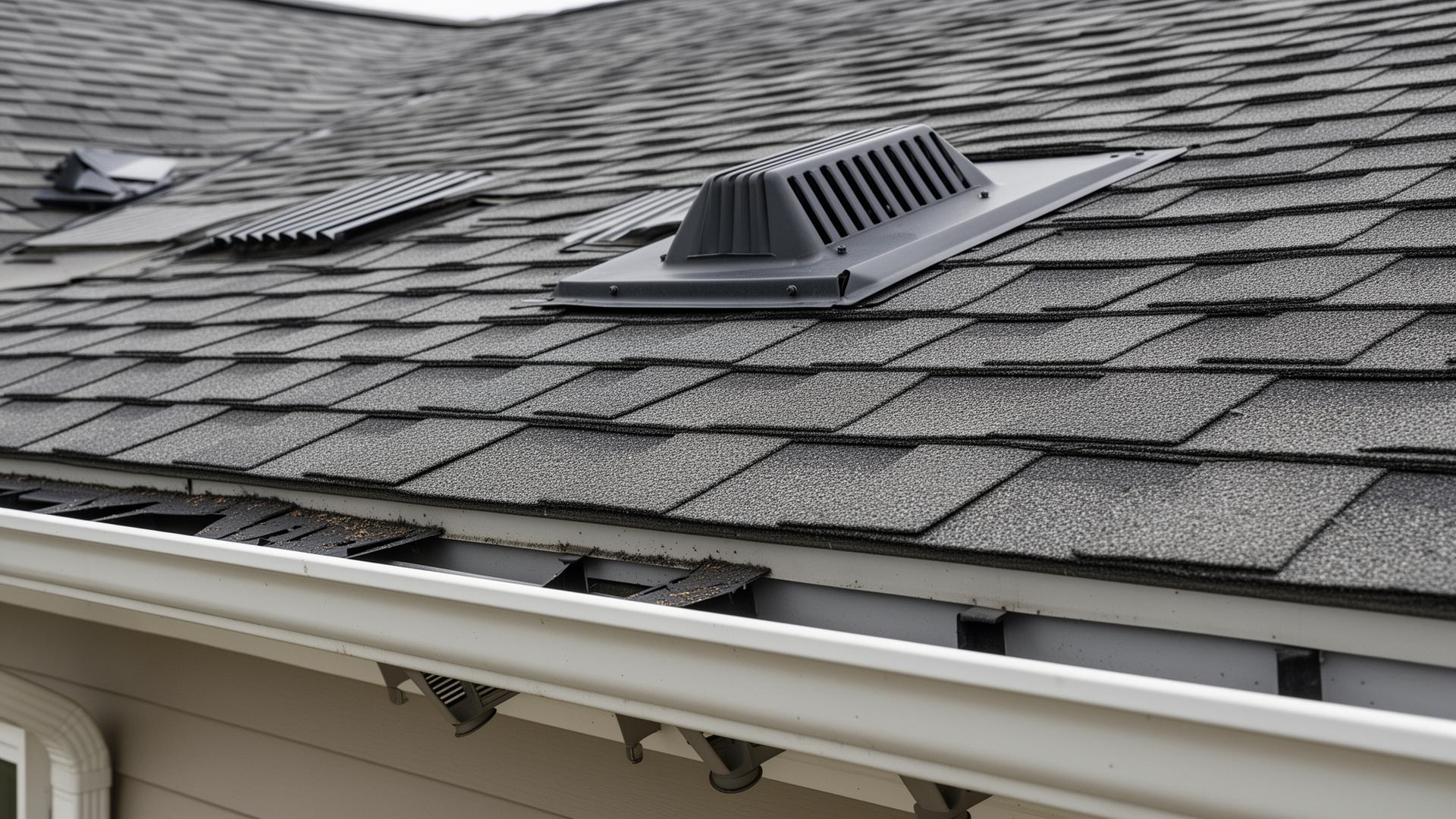
Proper roof ventilation is required by Minnesota building code. The minimum requirement is 1 square foot of net free ventilation area for every 150 square feet of attic floor space. This ratio can be reduced to 1:300 if certain conditions are met, such as having a vapor barrier on the warm side of the ceiling.
Wind Resistance Requirements
Roofing materials must meet wind resistance requirements based on the local design wind speed. Most of Minnesota falls into zones requiring materials rated for 90 to 110 mph winds. Proper fastening patterns and nail placement are critical for meeting these requirements.
Fire Rating Requirements
Minnesota requires roofing materials to meet minimum fire resistance ratings. Most asphalt shingles carry a Class A fire rating, which is the highest. If you're using other materials, verify they meet the minimum requirements for your area.
Maximum Layers
Minnesota follows the International Residential Code provision that limits asphalt shingle roofing to a maximum of two layers. If your roof already has two layers, the existing materials must be completely removed before installing new shingles.
What Happens If You Skip the Permit?
Skipping the roofing permit in Minnesota can lead to several serious consequences:
Fines and Penalties:: If discovered, you may face fines that often exceed the cost of the permit itself. Some municipalities charge double or triple the permit fee as a penalty for work done without a permit.
Stop Work Orders:: Building inspectors can issue stop work orders, halting your project until a permit is obtained. This causes delays and can increase costs significantly.
Insurance Complications:: Homeowners insurance companies may deny claims related to unpermitted roofing work. If a leak occurs or damage results from improperly installed roofing, your insurer could argue that the work wasn't done to code.
Problems When Selling:: When you sell your home, unpermitted work can become a major issue. Home inspectors and title companies often check permit records. Unpermitted work may need to be disclosed, can reduce your home's value, or even delay or kill a sale.
Liability Issues:: If a worker is injured during unpermitted work, the liability implications are more complex. Proper permits ensure that the contractor carries required insurance and follows safety standards.
Requirement to Remove and Redo Work:: In worst-case scenarios, the building department can require you to remove the new roofing and start over with proper permits and inspections.
Choosing a Licensed Contractor in Minnesota
Minnesota requires residential contractors to be licensed through the Minnesota Department of Labor and Industry. When hiring a roofing contractor, verify the following:
State License:: Check that your contractor holds a valid Minnesota residential building contractor or residential roofer license. You can verify licenses through the Department of Labor and Industry's online database.
Insurance:: Ensure the contractor carries general liability insurance and workers' compensation coverage. This protects you from liability if a worker is injured on your property.
Local Registrations:: Some Minnesota cities require contractors to register locally in addition to holding a state license. Minneapolis and St. Paul, for example, have their own contractor registration requirements.
Permit Handling:: A reputable contractor will handle the permit process for you. Be wary of any contractor who suggests skipping the permit or asks you to pull the permit as the homeowner to avoid scrutiny.
Find licensed Minnesota roofing contractors through our verified directory.
Common Questions About MN Roofing Permits
Can a Homeowner Pull Their Own Roofing Permit?
Yes, Minnesota homeowners can pull their own permits for work on their primary residence. However, you must be doing the work yourself — you cannot pull a permit and then hire an unlicensed contractor to do the work. If you hire a contractor, they should pull the permit under their license.
How Long Is a Roofing Permit Valid?
Most Minnesota roofing permits are valid for 180 days (6 months) from the date of issuance. If your project isn't completed within that timeframe, you may need to apply for an extension. Some municipalities allow one extension of up to 180 additional days.
Do I Need a Permit for Emergency Roof Repairs?
If you have storm damage that requires immediate attention, most Minnesota municipalities allow you to perform emergency repairs to prevent further damage without a permit. However, you'll typically need to obtain a permit within a few days of the emergency repair and have the full repair work permitted and inspected.
What About Insurance-Related Roof Replacements?
If your roof is being replaced due to storm damage covered by insurance, you still need a permit. The insurance claim process and the permit process are separate. Your contractor should handle the permit while working with your insurance adjuster on the claim.
Tips for a Smooth Permit Process
- Start Early: Begin the permit process before your contractor is scheduled to start. Processing times vary but allow at least a week for simple projects.
- Communicate with Your Contractor: Your contractor should be experienced with local permit requirements. Discuss the permit timeline during the planning phase.
- Keep Records: Maintain copies of your permit, inspection reports, and all project documentation. These records are valuable for future reference, insurance purposes, and when selling your home.
- Be Present for Inspections: While not always required, being present during inspections allows you to ask questions and understand any concerns the inspector might have.
- Don't Cover Up Problems: If an inspector identifies an issue, address it properly rather than trying to cover it up. Building to code protects your investment and your family's safety.
Minnesota-Specific Considerations
Snow Load Requirements
Minnesota's heavy snowfall means that roof structures must meet specific snow load requirements. The design snow load varies across the state, from about 42 pounds per square foot in the southern Twin Cities area to over 70 pounds per square foot in northern Minnesota. Your roofing project must account for these loads.
Ice Dam Prevention
Ice dams are a significant concern in Minnesota. Beyond the code-required ice and water shield, consider proper insulation and ventilation to minimize ice dam formation. Some contractors recommend heated cables along eaves in particularly problematic areas.
Energy Code Compliance
If your roofing project involves work on the roof deck, you may need to bring insulation up to current energy code standards. Minnesota has adopted the 2018 International Energy Conservation Code with amendments, which requires specific R-values for roof and attic insulation.
Conclusion
Minnesota does require roofing permits for most roofing work, and obtaining one is a straightforward process that protects your investment. Working with a licensed contractor who handles the permit process is the easiest approach for most homeowners. While it may seem like an extra step, proper permitting ensures your roof is installed correctly, maintains your insurance coverage, and protects your home's value for years to come.
Don't take shortcuts with permits — the potential consequences far outweigh the small cost and effort involved. Find a verified roofing professional in Minnesota to help you navigate the process smoothly.