How to Identify and Repair Damaged Roof Shingles: Warning Signs and Solutions
Damaged shingles are the most common roofing problem homeowners face. Identifying damage early prevents costly repairs, and understanding your options helps you make smart decisions.
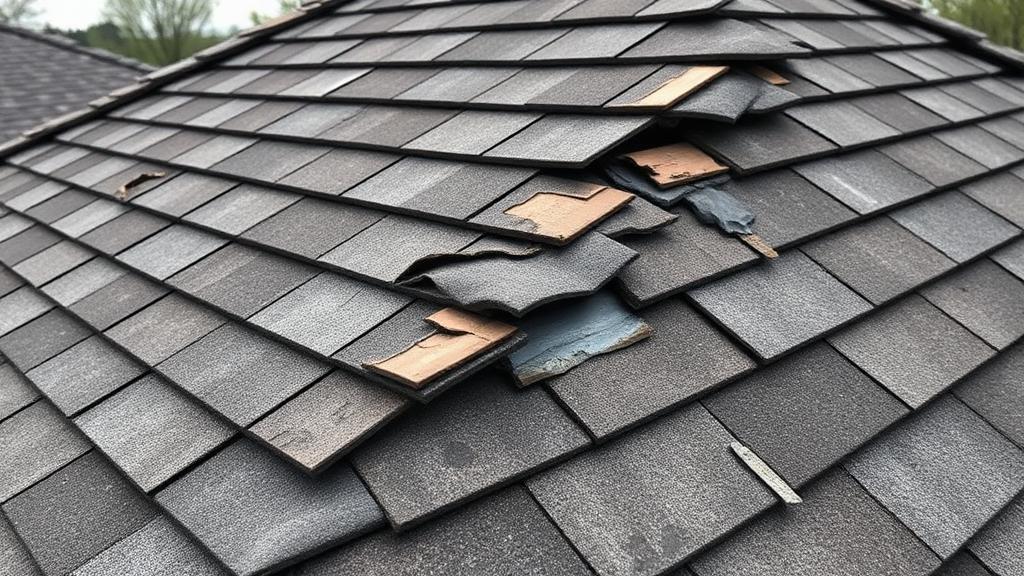
Types of Shingle Damage
Different types of damage require different responses.
Physical Damage:
- Missing Shingles
- - Cause: Wind, improper installation, age
- - Severity: High (direct water exposure)
- - Response: Immediate replacement needed
- Cracked Shingles
- - Cause: Thermal cycling, impact, age
- - Severity: Medium to high
- - Response: Replace or seal depending on extent
- Curling Shingles
- - Cause: Moisture, age, poor ventilation
- - Severity: Medium (indicates aging roof)
- - Response: Monitor if minimal; replace if extensive
- Lifted Tabs
- - Cause: Wind, failed sealant, installation
- - Severity: Medium
- - Response: Reseal or replace
Age-Related Deterioration:
| Sign | What It Means | Action Needed |
|---|---|---|
| Granule loss | Protective coating wearing | Monitor; plan for replacement |
| Brittleness | Asphalt aging | Professional assessment |
| Moss/algae | Moisture retention | Clean; improve conditions |
| General fading | UV exposure | Cosmetic unless other issues |
Storm Damage:
- Hail Damage
- - Appearance: Circular bruises, granule displacement, cracks
- - Often not visible from ground
- - May affect entire roof
- - Insurance typically covers
- Wind Damage
- - Appearance: Lifted, torn, or missing shingles
- - Often affects roof edges and ridge
- - Visible missing pieces
- - Insurance typically covers
- Debris Impact
- - Appearance: Punctures, tears, dents
- - Damage concentrated in impact area
- - May have underlying deck damage
Inspection Techniques
Regular inspection catches problems early.
Ground-Level Inspection:: Using binoculars from ground level: - Scan for obvious missing shingles - Look for color variations indicating damage - Check for sagging or uneven areas - Note debris accumulation - Observe flashing conditions
What to Look For:: - Missing or displaced shingles - Shingle debris in gutters or yard - Dark or discolored patches - Obvious physical damage - Flashing gaps or lifting
Attic Inspection:: From inside the attic: - Look for daylight through deck - Check for water stains on rafters - Feel insulation for moisture - Note musty odors - Observe ventilation adequacy
Professional Inspection:: Annual professional roof inspections provide: - Expert damage identification - Roof walking for close examination - Underlying problem detection - Remaining lifespan estimation - Documented condition reports
Repairing Individual Shingles
When damage is limited, individual repairs often suffice.
When Individual Repair Works:: - 1-15 shingles affected - No underlying deck damage - Matching shingles available - Roof has significant remaining life
DIY Shingle Replacement:
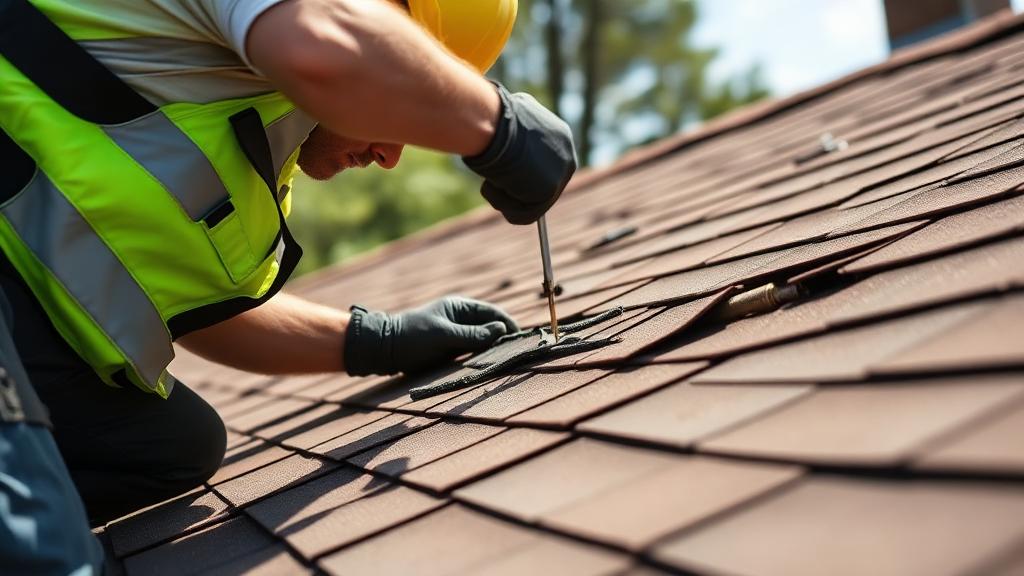
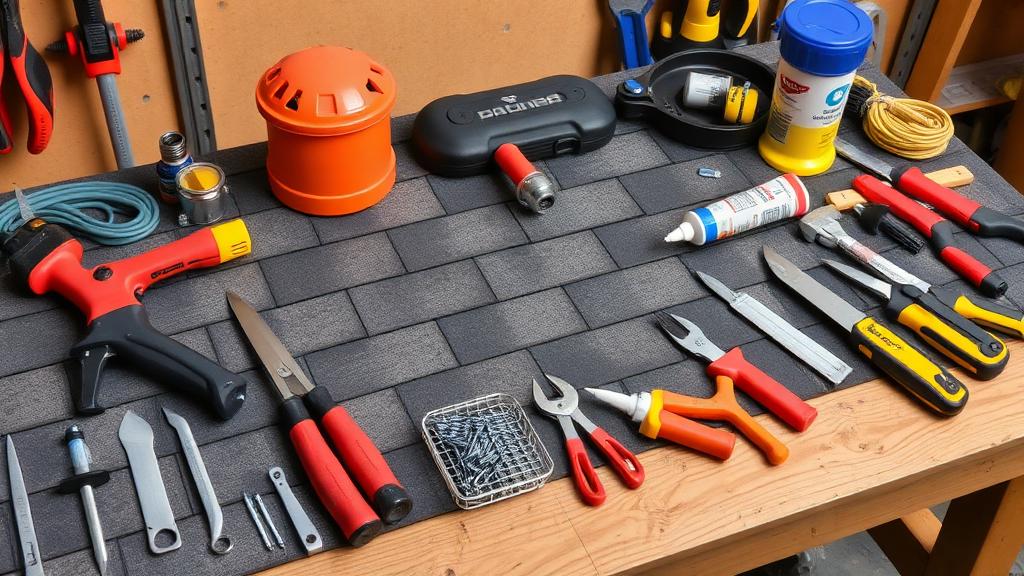
Materials needed: - Replacement shingles - Roofing nails (1¼" or 1½") - Flat pry bar - Hammer - Roofing cement - Utility knife
Process: 1. Wait for moderate temperature (40-85°F ideal) 2. Carefully lift tabs of surrounding shingles 3. Remove nails from damaged shingle (4-6 nails) 4. Slide out damaged shingle 5. Slide new shingle into position 6. Nail in proper nailing zone 7. Apply cement to nail heads and tab edges 8. Press down overlapping tabs
Tips for Successful Repair:: - Work when shingles are warm and pliable - Be gentle with aged surrounding shingles - Maintain proper nail placement - Seal all vulnerable points - Match pattern alignment
Matching Shingles:: Finding matching shingles can be challenging: - Check garage for leftover bundle from installation - Contact original installer for brand/color - Visit local suppliers with sample - Consider contrasting if exact match unavailable - Age difference may cause color variation
When Repair Becomes Replacement
Sometimes repairs aren't the answer.
Replacement Indicators:: - More than 25-30% of roof affected - Damage reveals underlying deck problems - Multiple age-related issues present - Previous repairs haven't held - Roof age approaching expected lifespan
Cost Comparison:: Consider total costs over time: - Repeated minor repairs accumulate - Major repair can approach replacement cost - New roof includes warranty - Energy efficiency improvements possible
Learn more about repair vs. replacement decisions.
Specific Damage Repair Techniques
Different damage types require different approaches.
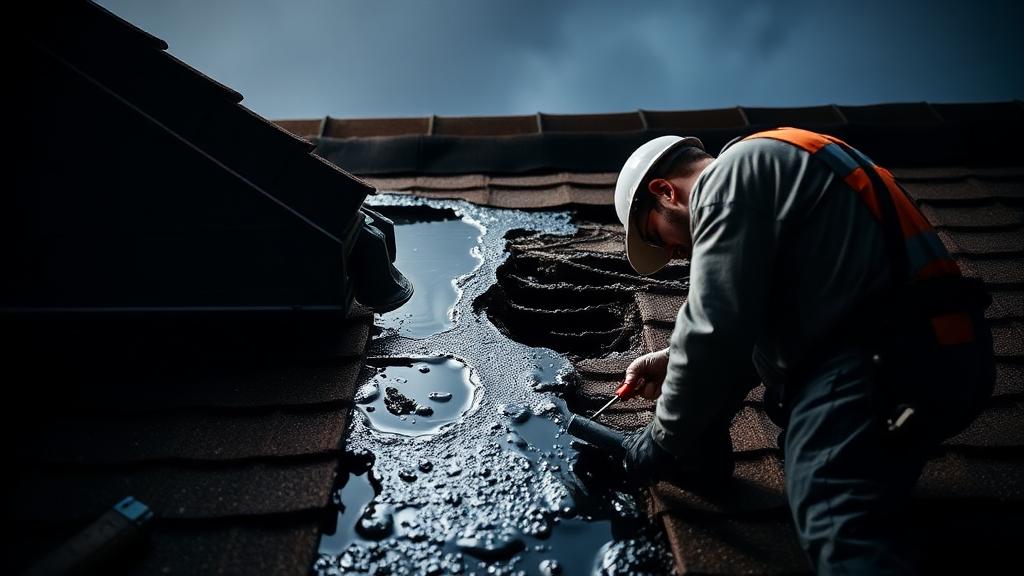
Cracked Shingles:: For cracks without displacement: 1. Clean crack area 2. Apply roofing cement into crack 3. Press shingle flat 4. Apply cement over crack surface 5. Cover with granules from damaged shingle or matching color
For severe cracking: - Replace shingle entirely
Curling Shingles:: For minor curling: 1. Apply roofing cement under curled edges 2. Press flat 3. Weight down until cement cures 4. Apply additional cement to edges
For severe curling: - Indicates roof-wide issue - May require professional assessment - Consider ventilation improvements
Lifted Tabs:: 1. Apply roofing cement under tab 2. Press firmly into place 3. Apply sealant to tab edges 4. Weight if necessary during curing
Missing Shingles:: Full replacement required: 1. Remove any remaining nails 2. Check deck condition 3. Install ice/water shield if exposed 4. Install new shingle properly 5. Seal all edges
Storm Damage Documentation
Proper documentation supports insurance claims.
Document Before Repairs:: - Wide shots showing damage context - Close-ups of specific damage - Interior damage photographs - Date and time documentation - Weather records for storm date
Professional Documentation:: For insurance claims, professional inspection provides: - Detailed damage assessment - Cost estimates for repair/replacement - Independent documentation - Expert testimony if needed
Learn more about filing insurance claims.
Preventing Future Damage
Proactive measures extend shingle life.
Regular Maintenance:: - Annual professional inspections - Semi-annual visual checks - Immediate attention to minor issues - Gutter maintenance - Tree trimming near roof
Ventilation Improvements:: Poor attic ventilation accelerates shingle deterioration: - Ensure adequate intake vents - Verify exhaust vents function - Balance intake and exhaust - Consider ventilation improvements
Storm Preparation:: - Secure loose shingles before storms - Trim overhanging branches - Check and clean gutters - Document pre-storm condition
Material Quality Considerations
When replacing shingles, material choice matters.
Shingle Grade Comparison:
| Grade | Lifespan | Wind Rating | Warranty |
|---|---|---|---|
| 3-tab basic | 15-20 years | 60-70 mph | Limited |
| Architectural | 25-30 years | 110-130 mph | Lifetime |
| Premium | 30-50 years | 130+ mph | Extended |
Learn more about shingle types and grades.
Matching vs. Upgrading:: When replacing sections: - Matching maintains appearance - Upgraded shingles may not integrate well - Consider visible vs. non-visible areas - Full replacement eliminates matching issues
Working with Contractors
For repairs beyond DIY scope, professional help is essential.
Finding Quality Contractors:: - Verify licensing and insurance - Check references and reviews - Get multiple written estimates - Confirm warranty coverage - Avoid storm chasers with high-pressure tactics
What to Expect:: - Professional assessment of damage - Written scope of work - Clear pricing breakdown - Timeline for completion - Warranty documentation
Find trusted local roofing contractors for professional shingle repair.
Conclusion
Identifying shingle damage early and responding appropriately protects your home and budget. Minor damage caught quickly often requires simple repairs, while ignored problems can escalate to major expenses. Regular inspection combined with prompt attention to issues extends roof life and prevents water damage.
Ready for a professional assessment of your shingles? Connect with qualified local roofers who can evaluate damage and recommend appropriate repairs.