Does Home Insurance Cover Roof Leaks? Everything Homeowners Must Know (2026)
Discovering a roof leak is alarming enough without the added stress of wondering whether your home insurance will cover the damage. The relationship between home insurance and roof leaks is governed by specific rules about what caused the leak, when it started, and whether you've maintained your roof properly. This guide demystifies home insurance coverage for roof leaks so you can protect your home and your finances.
Home Insurance and Roof Leaks: The Fundamental Rule
Home insurance operates on a simple but critical principle: it covers sudden and accidental damage, not gradual deterioration. When it comes to roof leaks, this means your policy will likely cover leaks caused by unexpected events like storms, but won't cover leaks that develop slowly due to aging or poor maintenance.
Think of it this way: home insurance is designed to restore your home after unforeseen events, not to serve as a maintenance plan. Understanding this distinction is the foundation for knowing whether your specific leak will be covered.
What Types of Roof Leaks Are Covered?
Storm-Related Damage
The most commonly covered cause of roof leaks is storm damage. This includes:
Wind Damage:: When high winds lift, crack, or blow off shingles, they expose the underlayment and decking to water. The resulting leak is a covered loss. Wind damage can also affect flashings, ridge caps, and other roofing components.
Hail Damage:: Hail strikes can create cracks, bruises, and punctures in roofing materials. Even if the damage isn't immediately visible, hail can compromise the waterproofing integrity of shingles, leading to leaks during subsequent rain. States prone to severe hail like Texas, Colorado, and Oklahoma see high volumes of hail-related roof leak claims.
Lightning:: A lightning strike can crack roofing materials, ignite fires, and cause structural damage that leads to water intrusion.
Tornadoes:: Tornado damage to roofing systems is clearly covered under standard policies, including partial and total roof destruction.
Falling Objects
If a tree, branch, or other object falls on your roof and causes a leak, this is covered under most home insurance policies. This applies regardless of whether the tree came from your property, a neighbor's, or a public area. Coverage typically includes: - Repair or replacement of damaged roofing - Removal of the fallen object - Interior damage caused by the resulting leak - Temporary living expenses if the home is uninhabitable
Weight of Ice and Snow
In cold climate states like Minnesota, Michigan, and northern regions, the weight of ice and snow can cause structural damage leading to leaks. Ice dams — ridges of ice that form at the roof edge and prevent snowmelt from draining — can force water under shingles and into the home. This damage is generally covered, though your insurer may investigate whether inadequate insulation or ventilation contributed to the problem.
Vandalism
If someone intentionally damages your roof, causing a leak, this is covered. While relatively uncommon, vandalism to roofing systems does occur and is treated as a covered peril.
What Roof Leak Causes Are NOT Covered?
Normal Wear and Tear
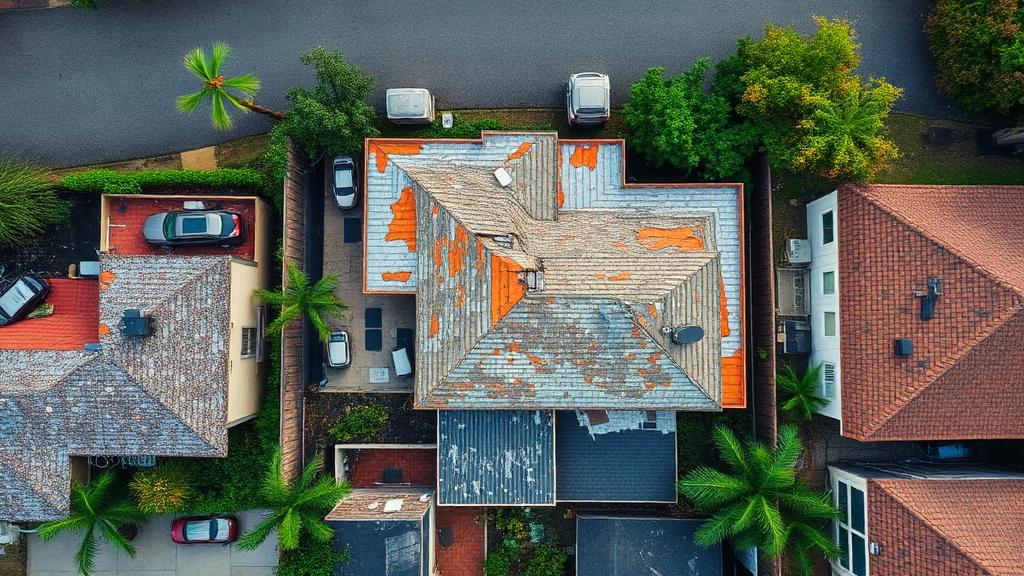
All roofing materials degrade over time. Asphalt shingles lose granules, flashings corrode, sealants dry out, and underlayment breaks down. Leaks resulting from this natural aging process are your responsibility, not your insurer's. Regular maintenance and timely repairs are your best defense against age-related leaks.
Neglected Maintenance
Your insurance policy contains a maintenance clause requiring you to keep your home in reasonable repair. If a leak develops because you: - Ignored known damage - Failed to clear gutters and downspouts - Didn't address minor issues before they became major - Skipped regular roof inspections
...your claim will likely be denied on the grounds of negligence.
Gradual Water Damage
A slow, ongoing leak that causes damage over weeks or months is typically not covered. Insurance companies expect homeowners to notice and address leaks promptly. If water stains on your ceiling have been growing for months, the insurer may deny your claim, arguing that you failed to mitigate the damage.
Flood Damage
Standard home insurance does not cover flood damage. If rising water from a flood enters your home through the roof or any other point, you need a separate flood insurance policy (available through the National Flood Insurance Program or private insurers).
Construction Defects
If your roof leaks because it was improperly installed, the responsible party is the installer, not your insurance company. Pursue the original contractor or manufacturer warranty for defective installation or materials.
The Claims Process for Roof Leak Damage
Immediate Steps
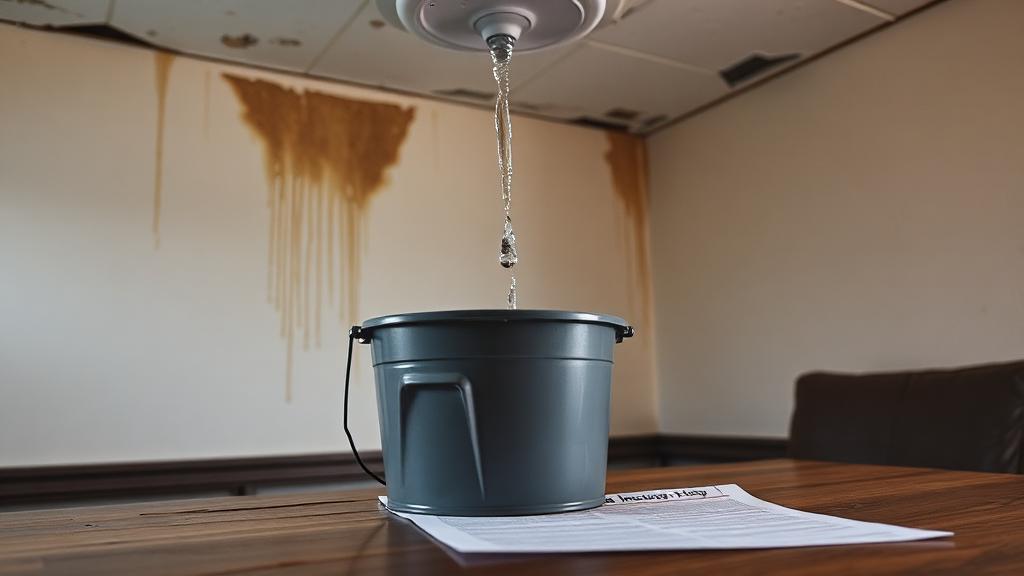
- Stop the Damage: Place containers under leaks, move valuables, and cover affected areas. Your policy requires you to take reasonable mitigation steps.
- Document Everything: Photograph and video all damage — both the roof and interior. Include wide shots and close-ups. Timestamp your documentation.
- Don't Make Permanent Repairs Yet: While you should make temporary repairs to prevent further damage, don't start permanent repairs before the adjuster inspects. Save receipts for any emergency repairs.
Filing the Claim
- Contact Your Insurer Promptly: Report the claim within 24-48 hours if possible. Provide:
- - Your policy number
- - Date and time of the damage event
- - Description of the cause
- - Extent of visible damage
- Request a Professional Roof Inspection: Have a licensed contractor inspect and document the damage independently. Their assessment provides valuable supporting evidence.
- Attend the Adjuster's Inspection: Be present when the insurance adjuster examines your roof. Having your contractor there as well can be beneficial for identifying all damage.
After the Inspection
- Review the Adjuster's Report: Compare it against your contractor's findings. If there are significant discrepancies, ask for clarification and provide your contractor's documentation.
- Understand Your Payout: Know whether you're receiving an ACV or RCV payment. With RCV policies, you typically receive the depreciated amount initially and can claim the remaining "recoverable depreciation" after completing repairs.
- [Negotiate If Necessary](/blog/how-to-negotiate-roof-replacement-with-insurance): If you believe the settlement is inadequate, you can request a re-inspection, provide additional evidence, or engage a public adjuster.
Understanding Your Deductible
Your deductible directly affects your payout. Common deductible structures include:
Standard Deductible:: A flat dollar amount (typically $500-$2,500) that you pay before insurance kicks in.
Percentage Deductible:: Some policies, particularly in storm-prone areas, use a percentage of your home's insured value. A 2% deductible on a $300,000 home means you pay the first $6,000.
Wind/Hail Deductible:: Separate, often higher deductibles specifically for wind and hail claims. These are common in states with frequent severe weather.
For smaller roof leaks where the repair cost is close to your deductible amount, it may not be worth filing a claim, as doing so could affect your insurance rates.
How to Protect Yourself
Maintain Your Roof Regular maintenance is the single most important thing you can do. Schedule annual inspections, clear gutters regularly, address minor repairs promptly, and keep trees trimmed away from the roof.
Choose the Right Policy When shopping for insurance, prioritize: - Replacement Cost Value (RCV) for roof coverage - Reasonable deductibles you can afford - No cosmetic damage exclusions if you're in a hail-prone area - Coverage from a reputable company with good claims-handling reviews
Document Your Roof's Condition Keep a file with: - Inspection reports - Maintenance receipts - Photos taken annually showing roof condition - Warranty documents
Know When to Replace If your roof is nearing the end of its expected lifespan, consider proactive replacement. A new roof gives you better coverage, potentially lower premiums, and peace of mind during storm season.
Conclusion
Home insurance covers roof leaks caused by sudden, covered events but not those resulting from wear, aging, or neglect. Understanding your policy, maintaining your roof, and documenting everything are your best strategies for protecting your home and finances.
When a leak does occur, act quickly to mitigate damage, document everything thoroughly, and work with experienced roofing professionals who understand the insurance claims process. The right preparation and response can make the difference between a fully covered repair and a costly out-of-pocket expense.
Find trusted roofing contractors in your area who can help with both repairs and insurance claims.