How to Remove Moss from Your Roof: Complete Step-by-Step Guide (2026)
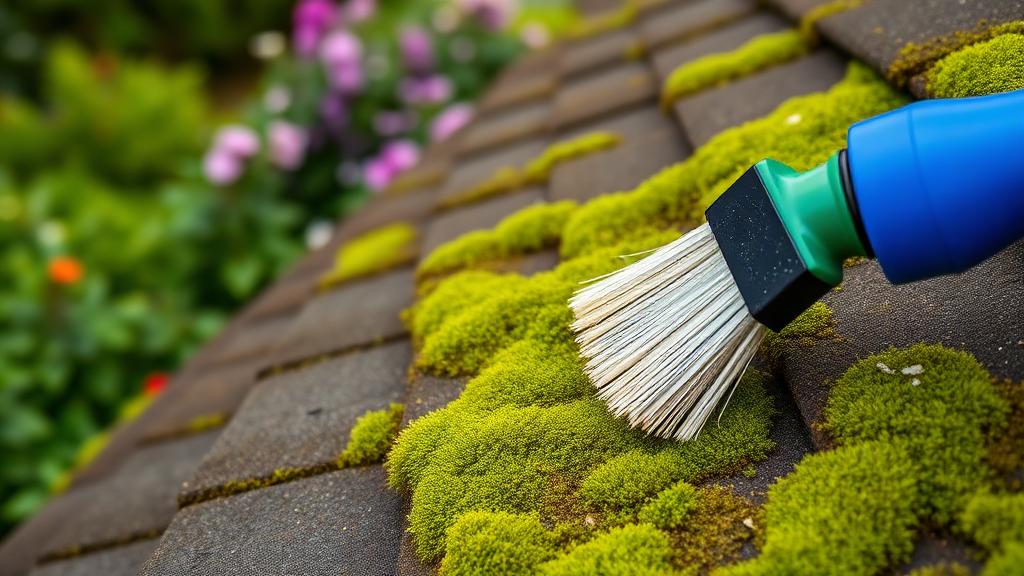
Moss growing on your roof might look charming in storybooks, but in reality, it's a serious threat to your roofing system. Moss retains moisture against the roof surface, works its way under shingles, and can cause significant damage if left unchecked. This comprehensive guide walks you through everything you need to know about removing moss from your roof safely and effectively, plus how to prevent it from coming back.
Why Moss Grows on Roofs
Understanding why moss grows on your roof is the first step toward eliminating it. Moss thrives in specific conditions, and your roof may provide the perfect environment.
Shade and Moisture:: Moss loves shaded, damp areas. North-facing roof slopes, sections shaded by trees, and roofs in humid climates are particularly susceptible. Areas that don't receive direct sunlight take longer to dry after rain, creating ideal moss-growing conditions.
Organic Debris:: Leaves, twigs, and other organic material that accumulate on the roof provide nutrients for moss. Debris also traps moisture, compounding the problem. Regular roof maintenance helps minimize this accumulation.
Climate Factors:: Regions with frequent rain, high humidity, and moderate temperatures see the most moss growth. The Pacific Northwest, parts of the Northeast, and other humid areas are especially affected. States like Washington, Oregon, and Massachusetts often deal with significant moss issues.
Roof Material:: Some roofing materials are more susceptible to moss than others. Asphalt shingles, wood shakes, and clay tiles all provide surfaces where moss can take hold. Smooth metal roofing is naturally more moss-resistant.
Poor Ventilation:: Roofs with inadequate ventilation tend to retain more moisture in the attic and on the roof surface, promoting moss growth.
Why Moss on Your Roof Is a Problem
Many homeowners underestimate the damage moss can cause. Here's why you should take moss growth seriously:
Moisture Damage:: Moss acts like a sponge, holding water against your roof surface for extended periods. This constant moisture contact accelerates the deterioration of shingles, tiles, and underlayment materials. Over time, this can lead to roof leaks and water damage to your home's interior.
Shingle Lifting:: As moss grows, its root-like structures (called rhizoids) work their way under shingles, gradually lifting the edges. This creates gaps where water, wind, and debris can penetrate, accelerating roof deterioration.
Structural Weight:: Thick moss layers absorb and retain water, adding significant weight to your roof. While a thin layer may not be concerning, thick moss growth can add hundreds of pounds of water weight during rainy periods.
Reduced Lifespan:: A roof with untreated moss will deteriorate significantly faster than a clean roof. What might have been a 25-year roof could fail in 15 years or less if moss is allowed to grow unchecked.
Pest Problems:: Moss provides habitat for insects and other pests. Carpenter ants, beetles, and other wood-boring insects may find moss-covered roofs attractive, potentially leading to additional structural problems.
Aesthetic Impact:: Beyond the practical concerns, moss makes your roof look neglected, which can affect your home's curb appeal and property value.
Safety Precautions Before You Start
Working on a roof is inherently dangerous. Before attempting any moss removal, prioritize safety:
Personal Safety Equipment:: - Wear non-slip shoes with good traction - Use a safety harness and rope system if working on the roof - Wear eye protection and chemical-resistant gloves - Consider a dust mask, especially when using dry removal methods
Roof Safety:: - Never work on a wet or icy roof - Work on calm, dry days with moderate temperatures - Have someone on the ground aware that you're on the roof - Keep your work area organized to prevent tripping
Ladder Safety:: - Use a sturdy, properly positioned ladder - Extend the ladder at least 3 feet above the roofline - Have someone hold the ladder base - Never carry heavy items up the ladder
When to Call a Professional:: If your roof has a steep pitch (greater than 6:12), is more than two stories high, or if you're uncomfortable with heights, hire a professional roofing contractor. The safety risk isn't worth the savings of a DIY approach.
Step-by-Step Moss Removal Methods
Method 1: Manual Removal (Best for Light Growth)
Manual removal is the gentlest method and is ideal for roofs with light to moderate moss coverage.
What You'll Need:: - Long-handled soft-bristle brush or broom - Garden hose with spray nozzle - Plastic scraper or putty knife - Bucket and bags for debris
Instructions:
Step 1:: Start at the ridge (top) of the roof and work downward. This prevents you from lifting shingles as you work.
Step 2:: Use the soft-bristle brush to gently sweep moss downward in the direction of the shingle overlap. Never brush upward against the shingle grain, as this can lift and damage shingles.
Step 3:: For stubborn patches, use a plastic scraper to gently pry moss away from the shingle surface. Avoid metal scrapers, which can scratch and damage roofing materials.
Step 4:: Collect the loosened moss and debris as you work. Don't let it accumulate in gutters or on walkways where it could cause slipping hazards.
Step 5:: Rinse the area gently with a garden hose. Use low to moderate water pressure — never use a pressure washer on asphalt shingles, as the high pressure can strip granules and void your warranty.
Method 2: Chemical Treatment (Best for Moderate to Heavy Growth)
Chemical treatments kill moss and make it easier to remove. Several options are available:
Commercial Moss Killers:: Many effective commercial products are specifically designed for roof moss removal. Look for products containing zinc sulfate or potassium salts of fatty acids. Apply according to manufacturer instructions, typically by spraying or brushing onto affected areas.
DIY Solutions:
Bleach Solution:: - Mix 50% regular household bleach with 50% water - Apply to moss-covered areas with a garden sprayer - Allow to sit for 15-20 minutes - Rinse thoroughly with clean water - Caution: Bleach can discolor some roofing materials and harm landscaping below
Vinegar Solution:: - Use full-strength white vinegar - Apply directly to moss with a sprayer - Allow to sit for several hours - Less effective than bleach but gentler on materials and environment
Baking Soda:: - Sprinkle baking soda directly on moss patches - Leave for several days during dry weather - Moss will dry out and can be brushed away - Very gentle but slower-acting
Dish Soap Solution:: - Mix 2 ounces of dish soap per gallon of water - Spray generously on mossy areas - Allow to dry for several hours - Brush away dead moss
Method 3: Zinc or Copper Strip Installation (Best for Long-Term Prevention)
This method combines removal with prevention:
Step 1:: Remove existing moss using Method 1 or 2.
Step 2:: Install zinc or copper strips along the ridge line of your roof. When rain washes over these metal strips, it creates a solution that inhibits moss growth.
Step 3:: Strips should be 2-4 inches wide and installed every 10-15 feet down the roof from the ridge. More strips provide better coverage on longer roof sections.
This is one of the most effective long-term prevention strategies and is particularly popular in the Pacific Northwest where moss growth is persistent.
Prevention Strategies
Preventing moss from growing in the first place is far easier than removing it:
Trim Overhanging Trees:: Reduce shade on your roof by trimming tree branches that hang over or near the roof. This increases sunlight exposure and reduces debris accumulation. Maintain at least a 10-foot clearance between tree branches and your roof.
Keep the Roof Clean:: Regularly remove leaves, branches, and other debris from your roof surface. This eliminates the organic material that moss feeds on and prevents moisture retention. Schedule cleanings twice a year — in spring and fall.
Improve Attic Ventilation:: Proper ventilation reduces moisture buildup on the roof surface. Ensure that soffit vents, ridge vents, and other ventilation components are unobstructed and functioning correctly.
Install Zinc or Copper Strips:: As mentioned above, metal strips along the ridge provide ongoing moss prevention. Zinc strips are more affordable, while copper strips are more effective and last longer.
Consider Moss-Resistant Shingles:: When it's time for a roof replacement, consider shingles with copper granules built in. These shingles resist moss growth and are becoming increasingly popular in moss-prone areas.
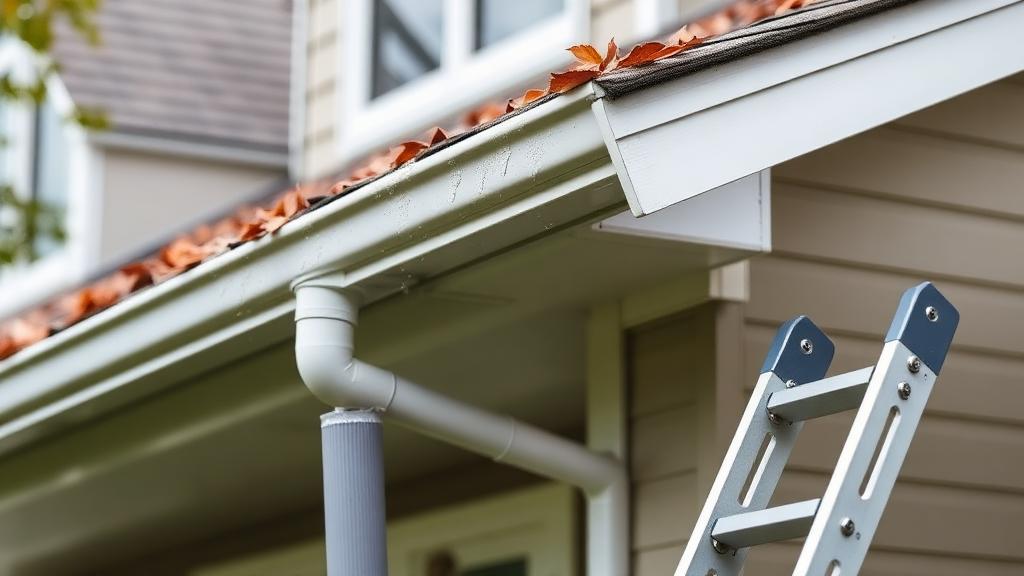
Maintain Gutters:: Clean gutters regularly to ensure proper water drainage. Backed-up gutters can cause water to pool at the eaves, promoting moss growth along the lower edges of the roof.
When to Hire a Professional
While DIY moss removal is possible for many homeowners, certain situations call for professional help:
- Steep or high roofs where safety is a concern
- Extensive moss growth covering more than 25% of the roof
- Roofs with existing damage that could be worsened by removal efforts
- If you're uncertain about your roofing material and appropriate treatment methods
- Commercial or multi-story buildings
- When moss has been growing for many years and may have caused underlying damage
Professional roof cleaning typically costs between $300 and $600 for a standard residential roof, depending on size, pitch, and the severity of moss growth. This is a worthwhile investment to protect a roof that may be worth $10,000 to $25,000 or more.
Mistakes to Avoid
Don't Use a Pressure Washer:: High-pressure water can strip granules from asphalt shingles, crack tiles, and force water under roofing materials. Always use low-pressure rinsing methods.
Don't Scrub Against the Grain:: Always brush downward in the direction of shingle overlap. Brushing upward can lift and damage shingles, creating new entry points for water.
Don't Ignore the Problem:: Small patches of moss will grow into large ones. Address moss growth early when it's easiest and cheapest to handle.
Don't Forget About Runoff:: Chemical treatments can harm plants, grass, and aquatic ecosystems. Protect landscaping below your work area and avoid letting chemicals enter storm drains.
Don't Walk on a Wet Roof:: Moss-covered roofs are extremely slippery, especially when wet. Never attempt to walk on a wet, mossy roof.
Seasonal Timing for Moss Removal
Best Time:: Late spring to early fall is ideal for moss removal. Warm, dry weather helps cleaning solutions work more effectively and allows the roof to dry thoroughly.
Avoid Winter:: Don't attempt moss removal in freezing conditions. Ice and snow make roofs dangerously slippery, and cleaning solutions don't work well in cold temperatures.
After Rainy Seasons:: In regions with distinct wet and dry seasons, tackle moss removal at the beginning of the dry season when moss is still alive but conditions are improving.
Conclusion
Moss on your roof is more than a cosmetic issue — it's a threat to your roofing system that can lead to expensive repairs if ignored. Whether you choose the DIY route or hire a professional, addressing moss growth promptly and implementing prevention strategies will protect your investment and extend the life of your roof.
Regular maintenance, proper ventilation, and strategic tree trimming are your best defenses against moss. For persistent problems or if you're unsure about the condition of your roof after removing moss, schedule a professional inspection to assess any damage and plan appropriate repairs. Find a qualified roofing contractor in your area to help keep your roof moss-free and performing at its best.