Warning Signs Your Roof Needs Immediate Attention: Don't Ignore These Red Flags
Your roof constantly communicates its condition—if you know what to look for. Some signs indicate gradual wear that can be addressed during routine maintenance, while others demand immediate professional attention. This guide helps you recognize the critical warning signs that require urgent action to prevent serious damage to your home.
Why Prompt Response Matters
Ignoring roof warning signs leads to escalating problems:
Damage Progression:: A small issue left unaddressed becomes a major repair. A minor leak can cause: - Mold growth within 24-48 hours of water intrusion - Insulation saturation reducing R-value and promoting decay - Wood rot in structural members - Damage to electrical systems - Interior finish damage (drywall, paint, flooring)
Cost Escalation:: | Issue Stage | Typical Cost | |-------------|--------------| | Early detection repair | $200 - $500 | | Moderate damage | $500 - $2,000 | | Extensive damage | $2,000 - $10,000 | | Major structural repair | $10,000+ |
Prompt response to warning signs typically keeps repairs in the lowest cost category.
Critical Exterior Warning Signs
These visible signs from outside your home indicate serious concerns.
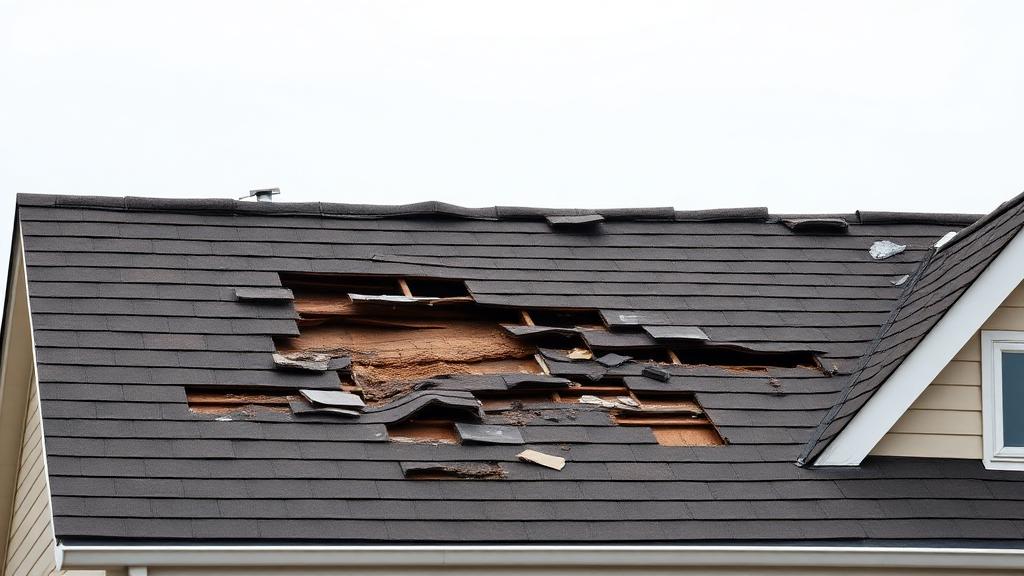
Missing Shingles
What You'll See:: Exposed roof deck or underlayment where shingles should be. The exposed area appears darker than surrounding shingles or shows the black/gray of underlayment.
Why It's Urgent:: - Direct water pathway into roof system - Underlayment alone won't protect long-term - Adjacent shingles become vulnerable to wind - Each rain event causes incremental damage
Immediate Action:: Contact a roofing professional for repair. If rain is imminent and you can safely do so, temporary tarping may help, but this is a stopgap only.
Significant Shingle Damage
What You'll See:: - Multiple cracked, broken, or torn shingles - Large areas of curling or buckling - Extensive granule loss (bare black areas visible) - Shingles that appear saturated or waterlogged
Why It's Urgent:: Damaged shingles are failing to protect. Widespread damage often indicates: - Storm damage requiring insurance claim - Material failure approaching end of life - Underlying ventilation or installation problems
Immediate Action:: Document with photos for insurance purposes, then schedule professional inspection and repair.
Sagging Roof Lines
What You'll See:: Roof ridge or slopes that aren't straight—visible dips, waves, or sags in what should be flat planes.
Why It's Urgent:: Sagging indicates structural problems: - Failed roof decking (plywood/OSB deterioration) - Damaged rafters or trusses - Inadequate original construction - Water damage to structural members - Potential for collapse in severe cases
Immediate Action:: This is a safety concern. Contact a roofing professional immediately. Avoid walking on or near sagging areas. Consider having occupants avoid areas directly beneath until assessed.
Visible Flashing Damage
What You'll See:: - Flashing that's lifted, rusted, or separated - Visible gaps between flashing and roofing - Missing sections of flashing - Deteriorated sealant around flashing edges
Why It's Urgent:: Flashing protects the most vulnerable roof penetrations. Compromised flashing allows water to: - Enter behind siding and into walls - Damage chimney structure - Rot fascia and soffit - Affect roof deck around penetrations
Immediate Action:: Professional repair is needed. Temporary roofing cement may help but is not a permanent solution.
Gutter Problems Indicating Roof Issues
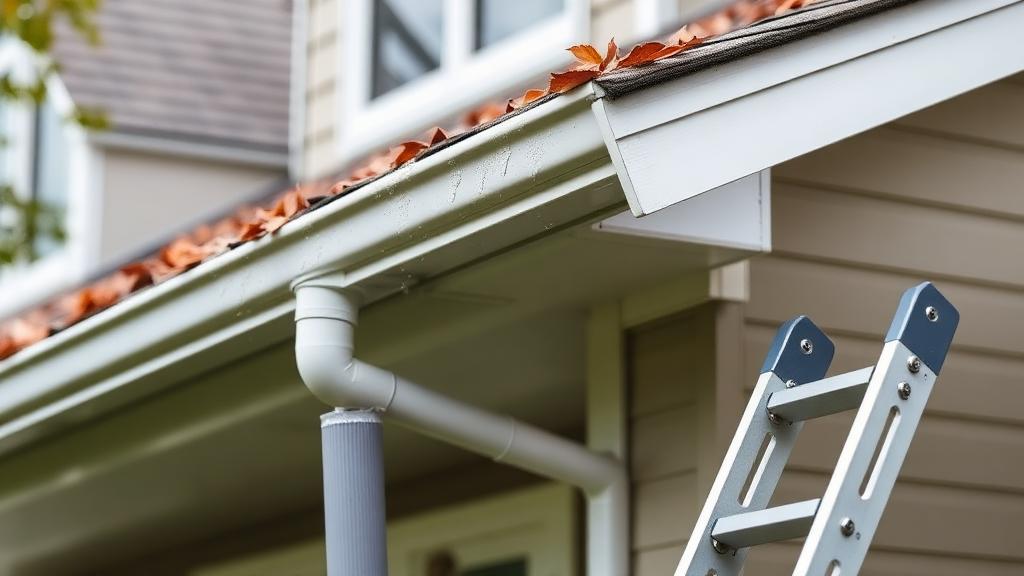
What You'll See:: - Excessive granules in gutters (more than light coating) - Shingle pieces in gutters after storms - Gutters pulling away from fascia - Significant ice dams forming above gutters
Why It's Urgent:: These signs indicate: - Accelerated shingle wear (granule loss) - Storm damage (shingle pieces) - Fascia rot (gutter separation) - Ventilation problems (ice dams)
Immediate Action:: Schedule inspection to determine underlying cause and appropriate repairs.
Critical Interior Warning Signs
Interior signs often indicate active water intrusion requiring immediate attention.
Active Leaks
What You'll See:: - Water dripping from ceiling - Wet spots growing on ceiling or walls - Water running down walls - Puddles forming on floors
Why It's Urgent:: Active leaks mean water is entering your home right now. Every hour of continued leakage: - Increases mold risk - Damages more materials - Potentially affects electrical systems - Creates unsafe conditions
Immediate Action:: - Place containers to catch water - Move belongings away from affected area - Document with photos/video - Contact emergency roofing service - If water is near electrical fixtures, consider shutting off power to that area
Fresh Water Stains
What You'll See:: - Brown or yellow stains on ceilings, especially near exterior walls - Stains that are wet, damp, or expanding - Discoloration that appeared after recent rain or snow melt - Stains directly below attic or roof area
Why It's Urgent:: Fresh stains indicate recent water intrusion. The source must be found and stopped before: - More water enters during next weather event - Hidden damage continues spreading - Mold establishes in hidden spaces
Immediate Action:: Schedule prompt professional inspection to identify leak source. Check attic if safely accessible to see if source is visible.
Attic Red Flags
What You'll See:: - Daylight visible through roof boards - Water stains on rafters or decking - Mold or mildew growth on any surface - Frost or ice on surfaces in winter - Compressed or wet insulation - Unusual heat or humidity levels
Why It's Urgent:: Attic problems indicate: - Active or potential leak paths (daylight, stains) - Moisture problems leading to rot (mold, frost) - Ventilation failure (frost, excess heat/humidity) - Insulation compromise (compressed/wet material)
Immediate Action:: Document findings and contact a roofing professional for inspection. Don't disturb mold growth—professional remediation may be required.
Wall and Ceiling Changes
What You'll See:: - Bubbling, peeling, or blistering paint - Bulging or sagging drywall - Warped wood trim or crown molding - Separated wallpaper seams - Musty or moldy odors
Why It's Urgent:: These signs indicate moisture has been present long enough to affect building materials. Continued water intrusion will: - Cause structural damage to framing - Create extensive mold problems - Require significant remediation
Immediate Action:: Stop water at source (roof repair), then address interior damage. May require coordination with roofing, remediation, and restoration contractors.
Seasonal Warning Signs
Certain warning signs are season-specific and require timely attention.
Winter Warning Signs
[Ice Dams](/blog/ice-dam-prevention-complete-guide):: Large icicles and ice ridges at eaves indicate ice dams are forming or have formed.
Why Urgent:: Ice dams trap water on roof surface, forcing it under shingles. Active dams can cause immediate interior leakage.
Action:: Create drainage channels with calcium chloride. Remove accessible snow from lower roof. Plan for ventilation/insulation improvements.
Excessive Snow Load:: Visible sagging under heavy snow, or snowfall exceeding several feet on flat/low-slope roofs.
Why Urgent:: Roofs have load limits. Excessive weight can cause structural failure.
Action:: Safely remove snow using roof rake from ground level. If sagging is visible, evacuate area below and call emergency services.
Storm Season Warning Signs
Post-Storm Changes:: Any change in roof appearance after storms—missing materials, debris impacts, new leaks.
Why Urgent:: Storm damage often worsens with subsequent weather. Quick documentation supports insurance claims.
Action:: Document thoroughly, contact insurance company, schedule professional inspection, don't delay repairs.
Year-Round Emergency Signs
Wildlife Entry:: Holes, chewed areas, or visible animal access points.
Why Urgent:: Wildlife causes ongoing damage and creates unsanitary conditions. Entry points also admit water.
Action:: Have wildlife professionally removed, then repair entry points. May need coordination between pest control and roofing services.
What to Do When You Spot Warning Signs
Immediate Steps
- Document Everything:
- - Take clear photos from multiple angles
- - Note the date and weather conditions
- - Record how long the issue has been visible
- - Save documentation for insurance purposes
- Protect Your Property:
- - Move belongings away from affected areas
- - Place containers under active leaks
- - Cover valuables with plastic sheeting
- - Address electrical concerns if water is involved
- Contact Professionals:
- - Find qualified roofing contractors
- - Describe what you're seeing
- - Request expedited service for emergencies
- - Get written estimates for repairs
- Notify Insurance if Appropriate:
- - Report storm-related damage promptly
- - Share your documentation
- - Understand claim filing deadlines
- - Don't make permanent repairs before adjuster visit (except emergency protection)
Avoid These Mistakes
Don't Delay:: "I'll deal with it later" leads to exponentially larger problems and costs.
Don't DIY Major Issues:: Improper repairs can void warranties, cause additional damage, and create safety risks.
Don't Ignore "Minor" Signs:: What appears minor often indicates hidden major problems.
Don't Use Unqualified Contractors:: Emergency situations attract scam artists. Verify credentials even when rushed.
Creating an Inspection Routine
Regular monitoring catches warning signs early.
Monthly Quick Check
From ground level, observe: - Overall roof appearance - Visible debris or damage - Gutter condition - Any obvious changes since last check
Seasonal Detailed Check
Walk property perimeter with binoculars: - Examine shingle condition - Check flashing areas - Inspect all penetrations - Note any concerns
Annual Professional Inspection
Schedule professional inspection for: - Expert assessment of condition - Identification of developing problems - Documentation for records - Maintenance recommendations
Working With Emergency Services
When urgent repair is needed:
What to Expect
Initial Response:: - Phone consultation about the problem - Same-day or next-day site visit for emergencies - Assessment of immediate needs vs. full repair
Emergency Measures:: - Temporary repairs to stop active damage - Tarping of compromised areas - Stabilization of safety concerns
Permanent Repair Planning:: - Full damage assessment - Repair estimate and timeline - Coordination with insurance if applicable - Scheduling of complete repair
Questions to Ask
- How quickly can you respond?
- What's the cost for emergency service vs. scheduled repair?
- Will you work with my insurance company?
- What temporary measures will you take?
- When can permanent repairs be completed?
Prevention Through Maintenance
The best way to avoid emergency roof situations is regular maintenance:
- Schedule regular professional inspections
- Address minor repairs promptly
- Maintain gutters and drainage
- Keep trees trimmed away from roof
- Monitor attic ventilation and insulation
Find qualified roofing professionals in your area and establish relationships before emergencies occur.
Conclusion
Your roof constantly signals its condition through visible warning signs. Learning to recognize critical indicators and responding promptly prevents small problems from becoming major disasters.
When you spot warning signs: 1. Document immediately 2. Protect your property 3. Contact qualified professionals 4. Don't delay action
Regular inspection and maintenance catch problems early when they're most affordable to address. But when warning signs appear, prompt professional attention protects your home and your investment. Never ignore what your roof is telling you.