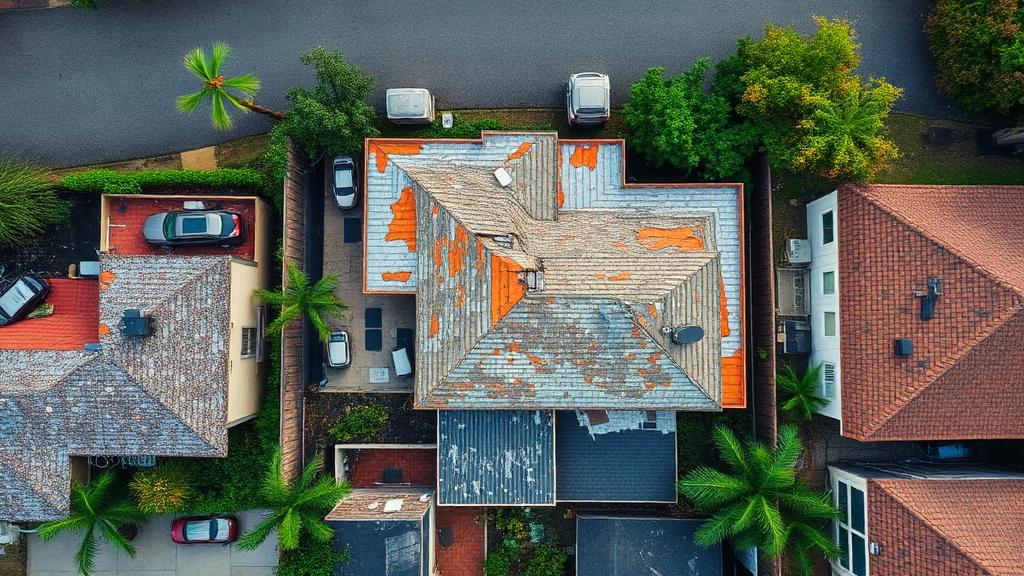
Will Insurance Cover a 20-Year-Old Roof? What You Need to Know (2026)
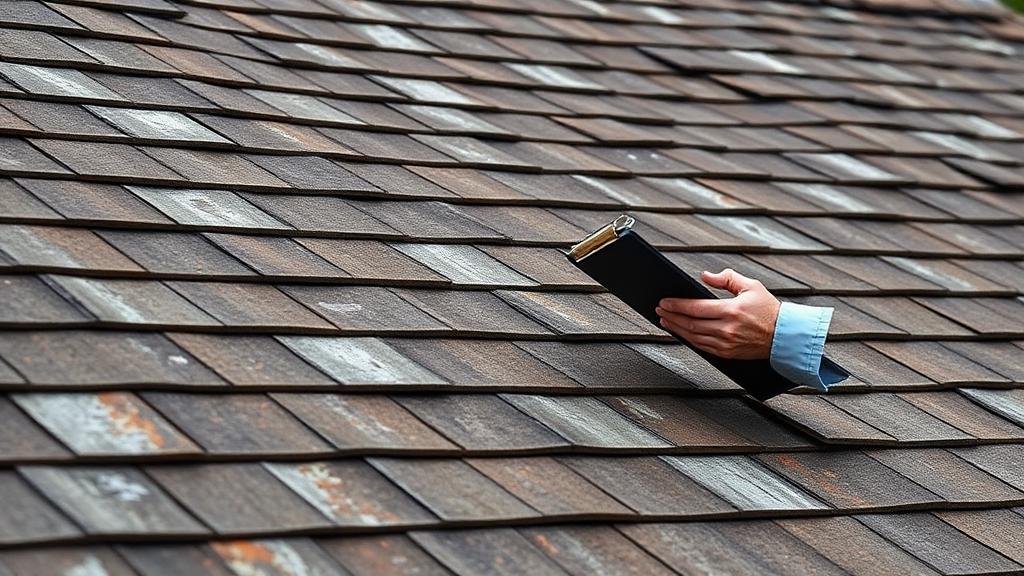
If you have a roof that's 20 years old or older, you're right to wonder whether your homeowners insurance will cover it if something goes wrong. The answer is nuanced — insurance companies treat older roofs differently than newer ones, and understanding these differences can save you thousands of dollars and significant frustration. This guide explains everything homeowners need to know about insurance coverage for aging roofs.
Will Insurance Cover a 20-Year-Old Roof?
The short answer is: yes, but with significant limitations. Your homeowners insurance policy covers your roof regardless of its age, as long as the damage is caused by a covered peril (like a storm, hail, or fallen tree). However, the amount you'll receive for a claim on a 20-year-old roof is typically much less than for a newer roof due to depreciation.
Additionally, some insurance companies have implemented age-based restrictions that limit coverage for roofs beyond a certain age. Here's what you need to understand:
Key factors affecting coverage for older roofs:: - Your policy's valuation method (ACV vs. RCV) - Roof age limitations in your policy - Condition of the roof at the time of damage - Whether you've maintained the roof properly - Your state's insurance regulations - Your insurance company's specific guidelines
How Roof Age Affects Insurance Coverage
Depreciation and Payout Calculations
The biggest impact of roof age on insurance coverage comes through depreciation. Here's how it works:
Actual Cash Value (ACV) Policies:: Many insurers automatically switch to ACV coverage for roofs that exceed a certain age — typically 15-20 years. Under ACV, the insurance payout reflects the depreciated value of your roof, not the cost to replace it.
Example with a 20-year-old asphalt shingle roof: - Replacement cost: $15,000 - Shingle lifespan: 25 years - Depreciation: 80% (20 years ÷ 25 year lifespan) - Remaining value: 20% or $3,000 - Less deductible ($1,500): $1,500 payout
Compare this to a 5-year-old roof: - Replacement cost: $15,000 - Depreciation: 20% (5 ÷ 25) - Remaining value: 80% or $12,000 - Less deductible ($1,500): $10,500 payout
The difference is staggering. This is why understanding your policy's valuation method is critical, especially as your roof ages.
Replacement Cost Value (RCV) Policies:: If your policy still provides RCV coverage for your roof, the age matters less because the payout is based on the cost to replace the roof with similar new materials. However, many insurers exclude RCV coverage for roofs over 15-20 years old.
Age-Based Policy Restrictions
Insurance companies have become increasingly strict about covering older roofs:
Coverage Limitations by Age:
| Roof Age | Common Insurance Response |
|---|---|
| 0-10 years | Full RCV coverage typically available |
| 10-15 years | May require inspection for renewal |
| 15-20 years | Often switched to ACV coverage |
| 20+ years | May face non-renewal or significantly limited coverage |
| 25+ years | Very difficult to insure at standard rates |
Inspection Requirements:: Many insurers now require roof inspections for homes with roofs over 15-20 years old. If the roof doesn't pass inspection, the insurer may refuse to renew the policy, exclude roof coverage, or require you to replace the roof as a condition of continued coverage.
Non-Renewal Notices:: Some insurance companies will decline to renew policies on homes with very old roofs. If you receive a non-renewal notice citing your roof's age, you'll need to either replace the roof or find a new insurer willing to cover it.
What Insurance Companies Look For in Older Roofs
When an adjuster inspects a 20-year-old roof, they're looking for signs that help them determine whether damage is from a covered event or from aging:
Signs of Covered Damage (Storm/Hail):: - Missing shingles in a pattern consistent with wind direction - Hail impact marks (circular depressions with exposed substrate) - Damaged flashing from wind uplift - Debris impact marks from fallen objects - Damage concentrated on windward-facing slopes
Signs of Age-Related Deterioration (Not Covered):: - Uniform granule loss across the entire roof - Curling or cupping shingles throughout - Cracked shingles from UV exposure - Moss or algae growth indicating moisture retention - Deteriorated caulking and sealants - General brittleness of shingle material
The challenge with older roofs is that storm damage and age deterioration often coexist, making it difficult to separate covered from non-covered damage. An experienced adjuster may attribute damage to age when a portion was actually storm-related.
Tips for Getting the Best Coverage on a 20-Year-Old Roof
1. Know Your Policy Inside and Out
Read your policy carefully, paying attention to: - Coverage type (RCV vs. ACV) - Any age-based limitations or endorsements - Your deductible (especially if you have a separate wind/hail deductible) - Cosmetic damage exclusions - Maintenance requirements
2. Maintain Meticulous Records
Keep documentation of all roof maintenance and repairs: - Annual or biannual inspection reports - Receipts for repairs, gutter cleaning, and maintenance - Photos of your roof's condition over time - Records of any previous insurance claims
This documentation proves you've been maintaining your roof, which strengthens any future claim.
3. Get Professional Inspections
Have your roof professionally inspected annually, especially after your roof passes the 15-year mark. A clean inspection report is powerful evidence that your roof was in good condition before a storm event.
4. Act Quickly After Damage
Report storm damage immediately. The longer you wait, the harder it becomes to distinguish storm damage from ongoing deterioration. File your claim promptly and document everything with photos and videos.
5. Hire an Experienced Roofing Contractor
Work with a contractor who has experience with insurance claims. They can: - Properly identify storm damage vs. age deterioration - Provide detailed damage reports using insurance-industry language - Meet with adjusters to explain their findings - Negotiate on your behalf when appropriate
6. Consider a Public Adjuster
For significant claims on older roofs, a public adjuster can be invaluable. They work for you (not the insurance company) and are experienced at maximizing claim payouts. While they charge a percentage of the settlement (typically 10-15%), they often recover significantly more than homeowners would on their own.
7. Understand Your Right to Appeal
If your claim is denied or you receive a low settlement, you have the right to: - Request a re-inspection - Provide additional documentation - File a formal appeal with your insurance company - Contact your state's department of insurance - Hire an attorney specializing in insurance claims
When to Consider Replacing an Older Roof
Sometimes the best strategy is proactive replacement:
Financial Perspective:: If your 20-year-old roof is on ACV coverage with high depreciation, the insurance payout for storm damage may be minimal. In this case, a proactive replacement gives you a new roof with full coverage rather than gambling on partial coverage after damage.
Insurance Benefits of a New Roof:: - Qualifies for RCV coverage - May reduce your insurance premiums (some insurers offer discounts of 10-20% for new roofs) - Eliminates the risk of non-renewal due to roof age - Better wind and hail resistance with modern materials - Peace of mind during storm season
Cost Consideration:: A typical roof replacement costs $8,000 to $25,000 depending on materials and roof size. Compare this against the potential out-of-pocket expense if storm damage occurs and your insurance payout is heavily depreciated.
State-by-State Variations
Insurance regulations vary significantly by state:
Florida:: Has specific laws requiring insurers to consider roof condition, not just age. However, Florida insurers have become stricter about older roofs due to high claim frequency.
Texas:: Texas allows insurers to offer ACV-only coverage for older roofs. Hail deductibles (often 1-2% of home value) are common.
Colorado:: Colorado has seen increasing restrictions on older roof coverage due to severe hail seasons.
Oklahoma:: Similar to Texas, with significant age-based coverage limitations becoming common.
Contact your state's department of insurance to understand your specific rights and the regulations that govern your policy.
Conclusion
A 20-year-old roof can still be covered by homeowners insurance, but the coverage is typically more limited and the payouts significantly reduced compared to newer roofs. Understanding your policy's valuation method, maintaining your roof diligently, and documenting everything are your best strategies for maximizing coverage.
If your roof is approaching or has passed the 20-year mark, consider scheduling a professional inspection, reviewing your insurance policy carefully, and discussing your options with both your insurance agent and a qualified roofing contractor. Proactive planning now can save you significant financial stress when a storm inevitably arrives.
Find verified roofing contractors in your area who can help you evaluate your roof's condition and navigate insurance considerations.