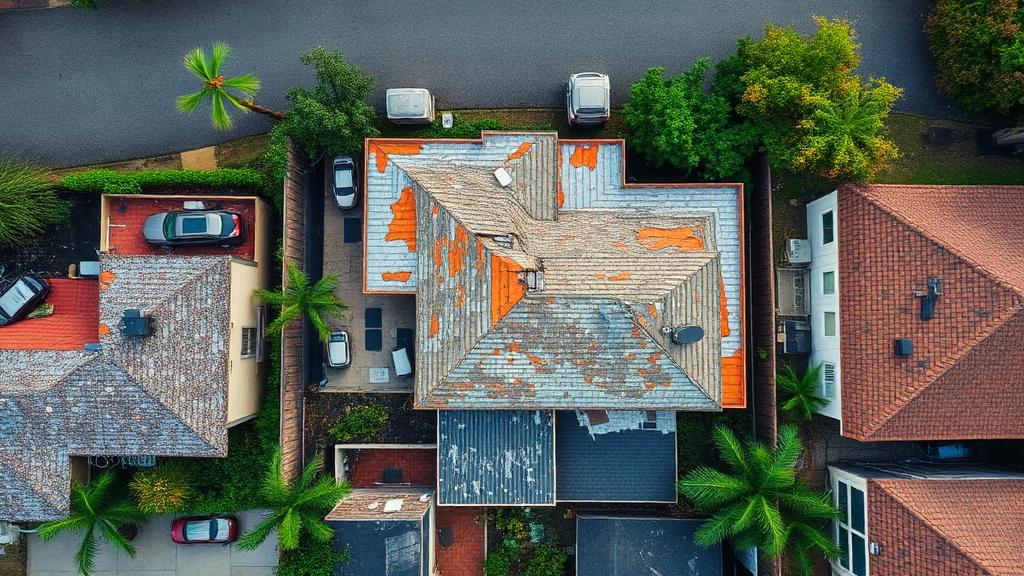
Does Homeowners Insurance Cover a Roof Leak? Your 2026 Coverage Breakdown
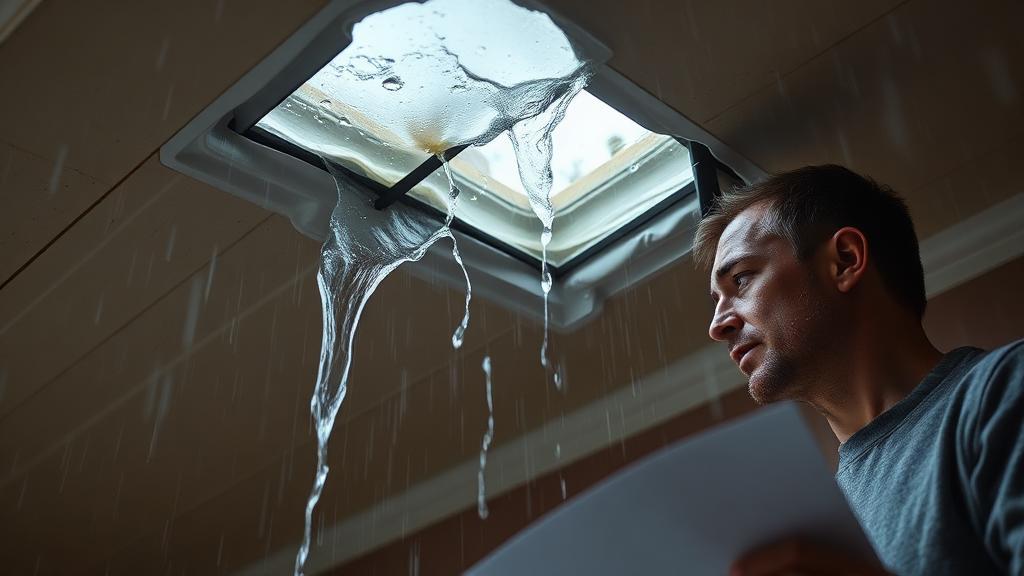
A roof leak can quickly escalate from a minor annoyance to a major financial burden, making it essential to understand exactly what your homeowners insurance will and won't cover. While many homeowners assume their insurance will handle any roof leak, the reality is more complex. This detailed guide breaks down coverage rules, common scenarios, and strategies to ensure you're protected.
Homeowners Insurance and Roof Leaks: The Core Principle
Your homeowners insurance policy is designed to protect you against sudden, unexpected losses — not gradual ones. For roof leaks, this means the critical question isn't "do I have a leak?" but rather "what caused the leak?"
The Coverage Formula:: - Sudden event + covered peril = claim approved - Gradual deterioration + aging = claim denied - Negligent maintenance + avoidable damage = claim denied
This formula applies universally, regardless of your insurance company or policy type. The key is establishing that a specific, sudden event caused your roof to leak.
Scenario-by-Scenario Coverage Analysis
Let's walk through the most common roof leak scenarios and how insurance typically handles each:
Scenario 1: A Storm Blows Off Shingles, Causing a Leak
Coverage: YES
A windstorm that removes or damages shingles is a textbook covered peril. Your insurance should cover the cost to repair the roof, fix any interior water damage, and replace damaged personal property. The key is connecting the leak to the specific storm event.
What to do:: Document the storm date, take photos of missing shingles, photograph interior damage, and file your claim within 48 hours.
Scenario 2: Hail Cracks Shingles and Water Gets In
Coverage: YES
Hail is a covered peril. Even small hail can create micro-fractures in shingles that allow water penetration. Large hail can dent, crack, or completely destroy roofing materials. Both the roof repair and resulting interior damage are covered.
Challenge:: Adjusters sometimes attribute shingle damage to aging rather than hail. Having a professional inspection with clear documentation of hail damage patterns strengthens your claim.
Scenario 3: A Tree Falls on the Roof
Coverage: YES
Whether caused by a storm or simply old age, a tree falling on your roof is a covered event. Coverage includes roof repair, tree removal (typically up to $500-$1,000), interior damage, and temporary living expenses if needed.
Note:: If you knew the tree was dead or diseased and failed to remove it, your insurer could argue negligence. Maintaining trees near your home is part of responsible homeownership.
Scenario 4: Ice Dam Creates a Leak
Coverage: USUALLY YES
Ice dams that form on roofs in cold climates like Minnesota, Wisconsin, and Michigan can force water under shingles. The resulting leak is generally covered as damage from the weight of ice and snow.
Caveat:: If the ice dam formed because your attic lacks proper insulation and ventilation — a maintenance issue — the insurer may deny or limit the claim.
Scenario 5: Roof Leaks During Heavy Rain (No Storm Damage)
Coverage: PROBABLY NOT
If your roof leaks simply because it's raining heavily and no storm damage occurred, this typically indicates an existing condition — worn materials, failed sealants, or deteriorated components. This falls under maintenance responsibility, not insurance coverage.
Exception:: If the rainfall is part of a covered weather event that caused additional damage, the leak may be covered.
Scenario 6: Gradual Leak Discovered After Months
Coverage: NO
A slow leak that has been developing over time is the result of gradual deterioration, not a sudden event. By the time you notice water stains spreading across your ceiling, the underlying cause has been present for an extended period. This is not a covered loss.
Lesson:: Regular inspections catch slow leaks early, when they're still affordable to fix out of pocket.
Scenario 7: Roof Leak After Improper Installation
Coverage: NO
If your roof was improperly installed and leaks as a result, your insurance company won't cover the repair. This is a workmanship issue, not a covered peril. Pursue the installing contractor or file a warranty claim with the manufacturer.
Scenario 8: Animals Damage the Roof
Coverage: VARIES
If a raccoon tears through your roof, creating an opening for water, some policies cover this while others exclude animal damage. Check your specific policy. Pest damage from insects (like carpenter ants in moss-covered roofs) is typically excluded.
Interior Damage: What's Covered?
When a covered roof leak occurs, your insurance typically covers damage to the interior of your home, including:
Structural Components:: - Ceiling drywall and plaster - Wall finishes - Insulation - Flooring damaged by water - Trim and moldings
Personal Property:: - Furniture - Electronics - Clothing and bedding - Stored items
Additional Living Expenses:: If the leak makes your home uninhabitable, your policy's "Loss of Use" or "Additional Living Expenses" coverage pays for temporary housing, meals, and related costs while repairs are completed.
How Deductibles Affect Roof Leak Claims
Your deductible is the amount you pay before insurance coverage kicks in. For roof leak claims, consider:
Standard Deductibles:: Typically $500-$2,500. If your repair costs $3,000 and your deductible is $1,000, you receive $2,000.
Wind/Hail Deductibles:: In storm-prone areas, you may have a separate, higher deductible for wind and hail claims — often 1-2% of your home's insured value. On a $400,000 home, a 2% wind/hail deductible is $8,000.
Strategic Consideration:: For claims close to your deductible amount, carefully weigh the financial benefit against the potential impact on your insurance rates and claims history.
Protecting Your Claim Rights
Before Damage Occurs
- Maintain your roof with annual inspections
- Keep gutters clean and functional
- Document your roof's condition annually with photographs
- Save all maintenance and repair receipts
- Review your policy annually to understand your coverage
- Consider upgrading to Replacement Cost Value coverage if you have ACV
After Damage Occurs
- Mitigate further damage immediately (tarps, buckets)
- Document everything before cleanup
- Report the claim promptly
- Get an independent contractor inspection
- Be present during the adjuster's visit
- Keep all receipts for emergency repairs
- Don't accept the first offer if it seems inadequate — negotiate
The Bottom Line
Homeowners insurance covers roof leaks caused by sudden, covered events and excludes leaks from gradual deterioration and maintenance neglect. The cause of the leak — not just the existence of the leak — determines whether your claim will be approved.
Being a proactive homeowner — maintaining your roof, documenting its condition, and understanding your policy — gives you the best chance of receiving fair coverage when unexpected damage occurs. When in doubt, consult with a qualified roofing professional who can assess the damage, determine its cause, and help you navigate the insurance process effectively.
Find verified roofing contractors in your area for inspections, repairs, and insurance claim assistance.