What Roof Is Best for Solar Panels? Complete Compatibility Guide (2026)
Installing solar panels is one of the best investments a homeowner can make, but your roof type significantly impacts installation feasibility, cost, and long-term performance. Not all roofs are equally suited for solar, and choosing the right combination of roofing material and solar system can maximize your energy production and return on investment. This guide compares every major roof type for solar panel compatibility.
The Best Roofs for Solar Panels: Quick Rankings
Before diving into details, here's the overall ranking:
- Standing Seam Metal Roof — Best overall for solar
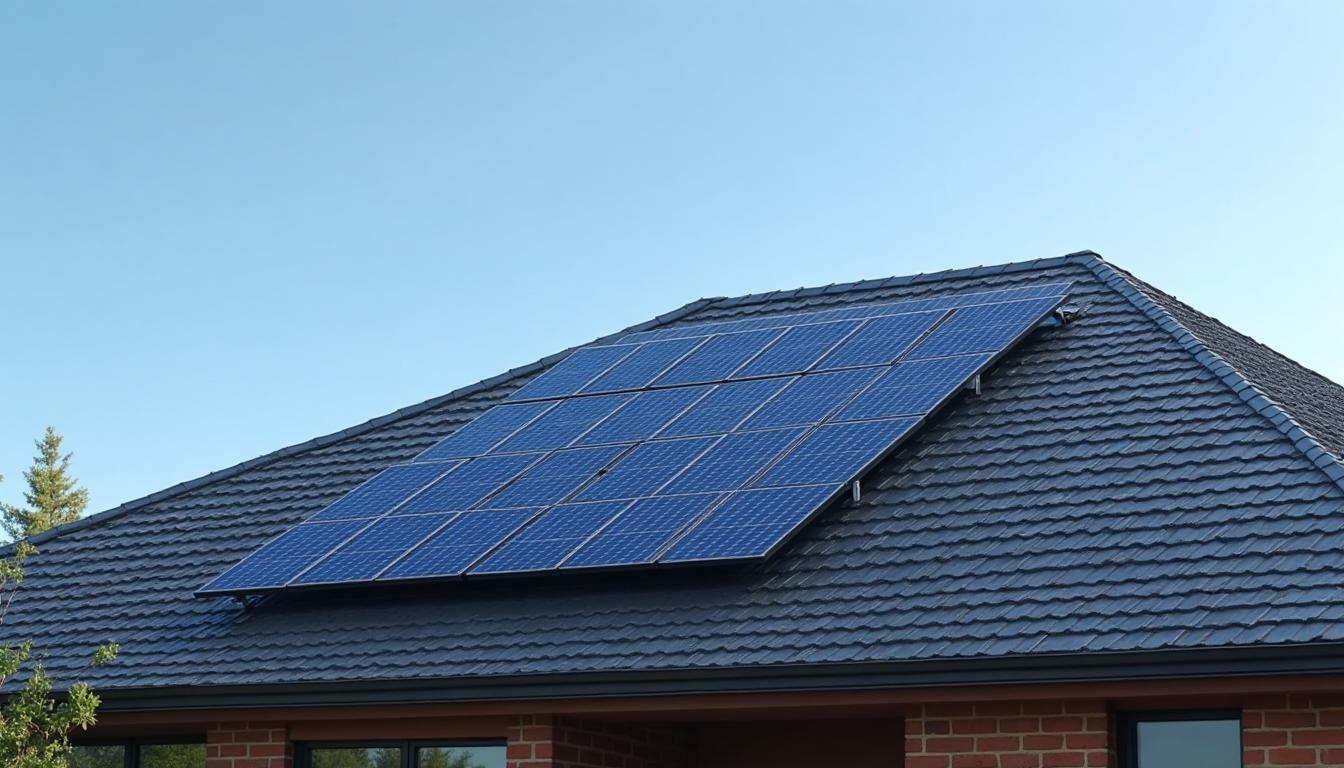
- Composite/Asphalt Shingles — Most common and very compatible
- Concrete Tile — Good but requires specialized mounting
- Flat/Low-Slope Roofs — Excellent with proper racking
- Clay Tile — Compatible but more complex and costly
- Wood Shake — Compatible but may need reinforcement
- Slate — Most challenging and expensive for solar
Standing Seam Metal Roofs: The Gold Standard
Metal roofing — specifically standing seam metal — is widely considered the ideal roofing material for solar panel installation. Here's why:
No Roof Penetrations Required:: Solar panels attach to standing seam metal roofs using specialized clamps that grip the raised seams. No holes need to be drilled through the roofing material, eliminating the risk of leaks at mounting points.
Exceptional Longevity Match:: Standing seam metal roofs last 40-70 years, which aligns perfectly with the 25-30+ year lifespan of modern solar panels. You won't need to remove panels for a roof replacement during their productive life.
Lower Installation Costs:: The clamp-based mounting system is simpler and faster to install than penetrating systems, often reducing solar installation costs by 10-20%.
Structural Strength:: Metal roofs are lightweight yet strong, providing an excellent mounting surface without adding excessive weight.
Energy Efficiency Synergy:: Metal roofs reflect more solar heat than asphalt, naturally reducing cooling costs. Combined with solar panels that shade the roof surface, the energy savings compound.
Considerations:: - Standing seam metal roofing costs more upfront ($12-$25 per square foot installed) - Not all metal roof profiles work equally well — corrugated and ribbed panels may require different mounting hardware - Panel color and finish can affect heat transfer to solar panels
Learn more about solar panels on metal roofs for detailed installation guidance.
Asphalt Shingle Roofs: The Most Common Option
The majority of solar installations in the United States are on asphalt shingle roofs, simply because most American homes have them.
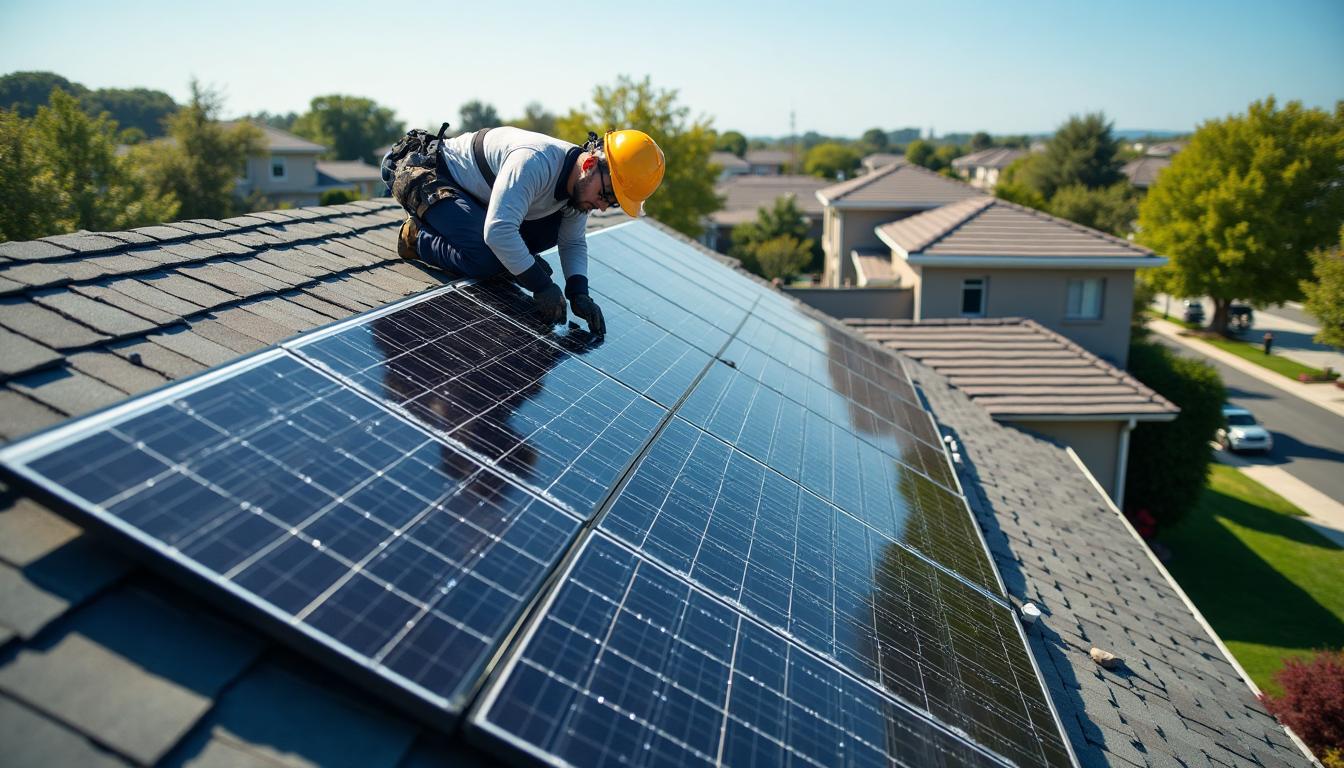
Easy Installation:: Standard roof-mount solar racking systems are designed primarily for asphalt shingle roofs. Lag bolts are driven through the shingles into the rafters, and flashing is installed to waterproof each penetration point.
Affordable Mounting:: Installation costs on asphalt shingle roofs are moderate because the mounting process is well-established and efficient.
Wide Contractor Availability:: Virtually every solar installer has extensive experience with asphalt shingle roofs.
The Lifespan Mismatch Problem:: This is the biggest concern. Asphalt shingles typically last 20-30 years, while solar panels produce energy for 25-30+ years. If your shingles are already 10+ years old when you install solar, you'll likely need to remove the panels for a roof replacement during the panels' productive life.
Removing Panels for Reroofing:: Removing and reinstalling solar panels during a roof replacement typically costs $1,500 to $5,000 depending on system size. This added expense should be factored into your solar ROI calculation.
Best Practice:: If your asphalt shingle roof has more than 10 years of remaining life, it's generally a good candidate for solar. If it's nearing the end of its life, replace the roof first, then install solar.
Concrete Tile Roofs
Concrete tile roofs are common in the Southwest and Southeast, and they're compatible with solar panels with some special considerations.
Durability Advantage:: Concrete tiles last 50+ years, providing an excellent match for solar panel longevity. You likely won't need to remove panels for reroofing.
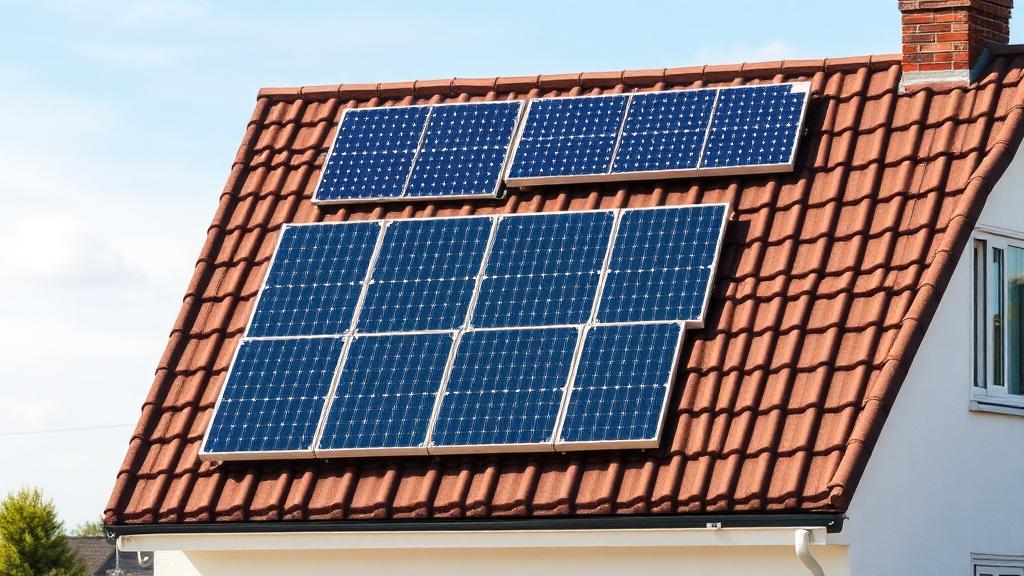
Mounting Challenges:: Tiles are brittle and can crack when walked on or when mounting hardware is installed. Solar installers must use specialized mounting systems that hook under tile edges or replace individual tiles with custom mounting brackets.
Weight Considerations:: Concrete tiles are already heavy (900-1,200 lbs per square). Adding solar panels increases the load further, so structural adequacy should be verified.
Higher Installation Costs:: Due to the specialized mounting requirements and the need for careful tile handling, solar installation on concrete tile typically costs 10-20% more than on asphalt shingles.
Clay Tile Roofs
Clay tile roofs present similar opportunities and challenges as concrete tile, with a few additional considerations.
Extreme Durability:: Clay tiles can last 75-100+ years, making the lifespan match with solar panels excellent.
Fragility Concern:: Clay tiles are more fragile than concrete tiles and more expensive to replace if damaged during installation. Experienced installers use comp-out methods, replacing tiles under mounting points with flat metal or composite flashings.
Aesthetic Considerations:: Many clay tile roofs have distinctive profiles (Spanish, Mediterranean) where mounting flat solar panels creates a visual contrast. Integrated solar tiles are an option but significantly more expensive.
Cost Premium:: Expect to pay 15-25% more for solar installation on clay tile compared to asphalt shingles due to the specialized mounting and careful handling required.
Flat Roofs and Low-Slope Roofs
Commercial buildings and some residential properties have flat or low-slope roofs, which offer unique solar advantages.
Optimal Panel Positioning:: Ballasted racking systems on flat roofs allow panels to be oriented at the ideal angle for your latitude, maximizing energy production regardless of roof orientation.
No Penetrations Needed:: Ballasted systems use the weight of the panels and racking (plus concrete blocks) to hold panels in place without penetrating the roof membrane. This eliminates leak risk.
Easy Maintenance Access:: Flat roofs make cleaning and maintaining solar panels much easier than pitched roofs.
Hidden Installation:: Panels on flat roofs are often not visible from the ground, addressing aesthetic concerns.
Considerations:: - Wind uplift is a concern — ballasted systems must be properly engineered - TPO, EPDM, and PVC membranes all work well with solar - Built-up roofs may need additional protection under panel supports - Ponding water near panel bases should be addressed
Wood Shake Roofs
Wood shake roofs can accommodate solar panels, but the installation is more complex.
Fire Code Concerns:: Some jurisdictions require fire-resistant barriers between solar panels and wood shake roofs. This adds cost and complexity.
Shorter Lifespan:: Wood shakes typically last 20-40 years, creating a potential lifespan mismatch with solar panels.
Mounting Approach:: Standard lag bolt systems are used, but care must be taken to properly seal penetrations in wood shake, which is more susceptible to water intrusion than asphalt.
Recommendation:: If you have a wood shake roof nearing replacement age, consider switching to a more solar-friendly material like metal roofing during the replacement.
Slate Roofs
Slate is the most challenging roofing material for solar installation.
Extreme Fragility:: Slate tiles crack easily when walked on or drilled into. Installation requires removing individual slates, installing mounting brackets on the deck, and replacing slates around the brackets.
Exceptional Longevity:: Quality slate roofs last 75-150 years, so lifespan matching with solar isn't a concern.
High Installation Cost:: Expect to pay a significant premium (25-50% more) for solar installation on slate due to the specialized skills and time required.
Aesthetic Impact:: Solar panels on a distinctive slate roof may detract from the home's appearance, which is particularly relevant for historic properties.
Factors Beyond Roof Material
Roof Orientation and Pitch
Ideal Orientation:: South-facing roofs receive the most sunlight in the Northern Hemisphere. East and west-facing slopes produce about 15-20% less energy. North-facing slopes are generally not suitable for solar.
Ideal Pitch:: For most U.S. latitudes, a roof pitch of 15-40 degrees is optimal. Flatter or steeper pitches still work but may produce slightly less energy.
Roof Age and Condition
Before installing solar, assess your roof's remaining lifespan: - 15+ years remaining: Good candidate for solar - 10-15 years remaining: Consider the economics carefully - Less than 10 years remaining: Replace the roof first
Structural Capacity
Solar panels and mounting hardware add 3-5 pounds per square foot to your roof's load. Most roofs handle this easily, but older homes or those with existing structural issues should have an engineering assessment.
Shading
Even the best roof material won't perform well if the roof is heavily shaded. Assess shading from trees, neighboring buildings, and other obstructions before investing in solar.
Making the Right Choice
If you're planning both a new roof and solar panels, consider these optimal combinations:
Best Value:: Standing seam metal roof + solar panels with clamp mounts Most Common: New architectural asphalt shingles + standard rail-mounted solar Premium Choice: Concrete tile + specialized tile mounting system Budget Option: New 3-tab shingles + standard solar mounting
Conclusion
The best roof for solar panels combines durability, compatibility, and cost-effectiveness. Standing seam metal roofs lead the pack, but well-maintained asphalt shingle roofs remain the practical choice for most homeowners. Whatever your roof type, consulting with both a qualified roofing professional and an experienced solar installer ensures a successful installation that performs for decades.
Find roofing contractors in your area who can assess your roof's solar readiness.