Does Home Insurance Cover Roof Repairs? Complete Guide to Coverage (2026)
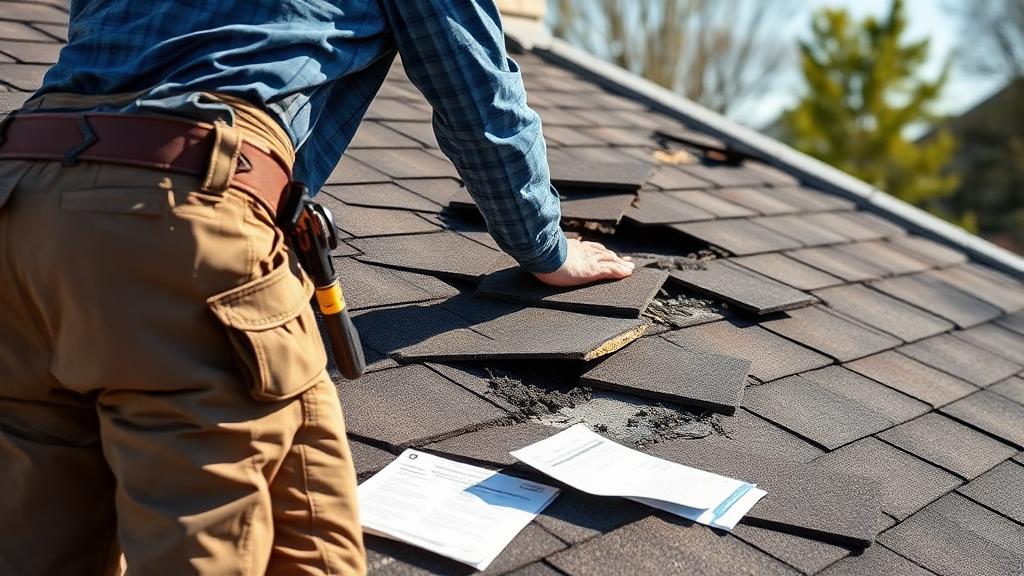
When your roof needs repairs, one of the first things you'll want to know is whether your home insurance will help cover the cost. The answer depends on several factors, including what caused the damage, the age and condition of your roof, and the specific terms of your policy. This guide walks you through everything you need to know about home insurance coverage for roof repairs.
The Basic Rule: Cause Determines Coverage
Home insurance covers roof repairs when the damage is caused by a "covered peril" — an event specifically included in your policy. It does not cover repairs needed due to normal wear and tear, aging, or deferred maintenance. This distinction is the foundation of all roof repair insurance coverage.
Covered Repairs (Sudden/Accidental Damage):: - Storm wind damage requiring shingle replacement - Hail damage necessitating material repairs - Repairs after a tree falls on the roof - Fixing damage from ice dams or heavy snow loads - Restoring roof sections damaged by fire or lightning - Repairs resulting from vandalism
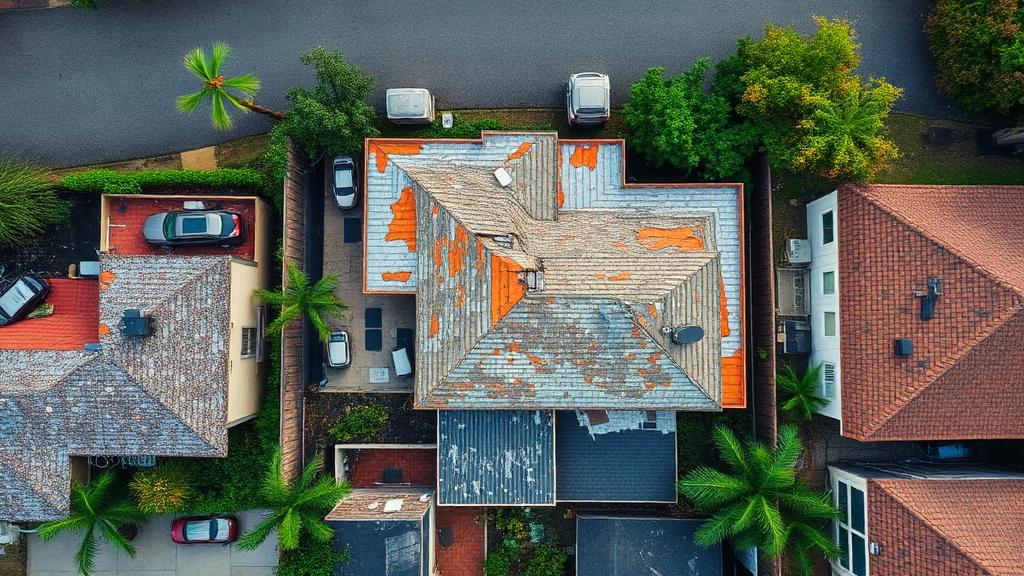
Non-Covered Repairs (Maintenance/Aging):: - Replacing worn-out shingles due to age - Fixing leaks from deteriorated flashing - Repairing damage from moss or algae growth - Replacing cracked or curled shingles from UV exposure - Fixing gutter problems from lack of maintenance - Addressing ventilation issues
Types of Roof Repairs and Insurance Coverage
Minor Repairs (Under $1,000)
Small repairs like replacing a few shingles, resealing flashing, or fixing a small leak often cost less than your insurance deductible. In these cases, filing a claim doesn't make financial sense because: - You'd pay the full cost up to your deductible anyway - Filing a claim creates a record that can affect future premiums - Multiple small claims can lead to policy non-renewal
Best approach:: Pay for minor repairs out of pocket and save insurance claims for significant damage.
Moderate Repairs ($1,000-$5,000)
For repairs in this range — such as replacing a section of damaged shingles, repairing storm-damaged flashings, or fixing a significant leak — filing a claim may be worthwhile if the cost clearly exceeds your deductible.
Consider filing if:: - The damage is clearly from a covered peril - The repair cost significantly exceeds your deductible - You haven't filed recent claims - You have documentation of the causing event
Major Repairs ($5,000+)
Extensive damage requiring major repairs or partial roof replacement is almost always worth a claim if caused by a covered event. These situations typically involve significant storm damage, multiple areas of the roof affected, interior damage from water intrusion, or structural damage requiring professional remediation.
Repair vs. Full Replacement: Insurance Considerations
One of the most common points of contention with insurance companies is whether a repair or full replacement is appropriate. Here's how this decision typically works:
When Insurance Will Approve Repair Only
If the damage is localized to one section of your roof and the rest is in good condition, the insurer will typically approve a repair rather than full replacement. For example, if wind damages shingles on one slope but the other three slopes are intact, the insurer will cover repair of the damaged slope only.
When Insurance Should Cover Full Replacement
Full replacement is appropriate when: - Damage is widespread across the entire roof - The damaged roofing materials have been discontinued and can't be matched - The roof deck or structural components are compromised - Repairing would create a patchwork that compromises the roof's integrity - Building codes require full replacement when more than a certain percentage is damaged
The "Matching" Issue
A common problem with repairs is color and style matching. If your shingles are 15 years old and the specific product has been discontinued, new shingles won't match the weathered appearance of the existing roof. Some state laws and insurance regulations require that repairs reasonably match the existing roof. If matching isn't possible, this can support a case for full replacement.
How to Maximize Your Insurance Coverage for Roof Repairs
1. Document the Damage Thoroughly
The quality of your documentation directly affects your claim outcome: - Take photos from multiple angles before any temporary repairs - Document the weather event that caused the damage (date, time, conditions) - Note any neighboring properties with similar damage (supports your claim of a weather event) - Keep all receipts for emergency repairs and temporary tarps
2. Get a Professional Roof Inspection
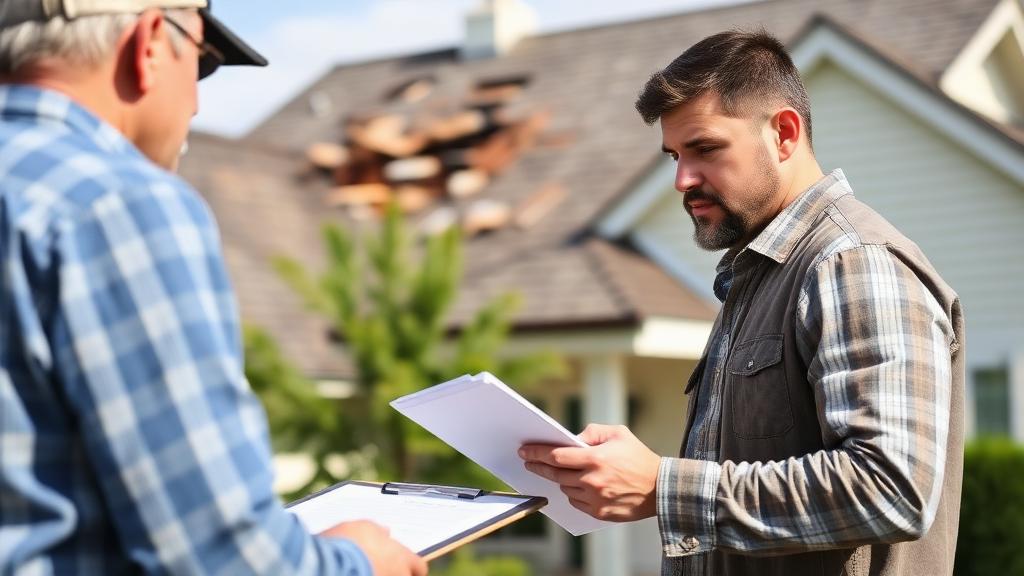
Before filing your claim, have a licensed roofing contractor inspect the damage. Their professional assessment: - Identifies all damage, including items you might miss - Distinguishes storm damage from pre-existing conditions - Provides a detailed estimate in a format adjusters understand - Serves as evidence if the adjuster's findings differ
3. Understand Your Policy
Key policy elements to review: - Deductible amount (and whether wind/hail has a separate deductible) - Coverage type (RCV vs. ACV) — learn the difference - Any roof-age limitations — older roofs may have reduced coverage - Cosmetic damage exclusions - Time limits for filing claims
4. Be Present During the Adjuster's Visit
When the insurance adjuster inspects your roof: - Be present and bring your contractor if possible - Point out all areas of damage - Provide your contractor's inspection report - Ask questions about anything you don't understand - Take notes on what the adjuster examines and says
5. Review and Negotiate the Estimate
After the adjuster provides their estimate: - Compare it line-by-line against your contractor's estimate - Identify any discrepancies in scope, materials, or pricing - Provide documentation for any items the adjuster may have missed - Negotiate professionally if the estimate is inadequate
Common Reasons Roof Repair Claims Are Denied
Understanding why claims get denied can help you avoid these pitfalls:
1. Wear and Tear:: The most common denial reason. If the adjuster determines that the damage is from aging rather than a specific event, the claim will be denied.
2. Maintenance Neglect:: Evidence that you failed to maintain your roof — clogged gutters, unaddressed moss growth, missing shingles that weren't replaced — can justify a denial.
3. Pre-Existing Damage:: If the damage existed before the claimed event, coverage is denied. This is why regular maintenance documentation is so valuable.
4. Policy Exclusions:: Some policies exclude specific types of damage. Read your policy carefully to understand what's excluded.
5. Late Reporting:: Most policies require "prompt" reporting of damage. Reporting damage months after a storm raises red flags about whether the storm actually caused the damage.
6. Insufficient Documentation:: Without adequate photos, contractor reports, and event documentation, proving your claim is difficult.
Preventing the Need for Insurance Claims
The best insurance claim is one you never have to file. Preventive measures include:
- Schedule annual roof inspections
- Perform seasonal maintenance
- Keep gutters clean and functional
- Trim trees near the roof
- Address minor repairs promptly
- Ensure proper attic ventilation
- Consider impact-resistant materials when replacing your roof
When to Consider Self-Paying vs. Filing a Claim
Filing a claim isn't always the best choice. Consider self-paying when: - The repair cost is close to your deductible - You've already filed a claim recently (multiple claims can raise rates or trigger non-renewal) - The damage is borderline between covered and non-covered - The repair is minor and straightforward
File a claim when: - The repair cost significantly exceeds your deductible - The damage is clearly from a covered event - Interior damage compounds the roofing damage - Structural integrity is compromised - Multiple systems (roof, siding, windows) are damaged
Conclusion
Home insurance covers roof repairs caused by covered perils like storms, hail, fallen trees, and fire. It doesn't cover repairs needed due to normal wear, aging, or maintenance neglect. Understanding this distinction and preparing properly — through documentation, maintenance, and policy knowledge — puts you in the best position to receive fair coverage when you need it.
Work with experienced roofing professionals who understand insurance processes, and don't hesitate to advocate for yourself if you believe your claim isn't being handled fairly. The key is being prepared before damage occurs, not scrambling after it happens.
Find qualified roofing contractors in your area who can help you with both repairs and insurance claim support.